1. Specifications Comparison
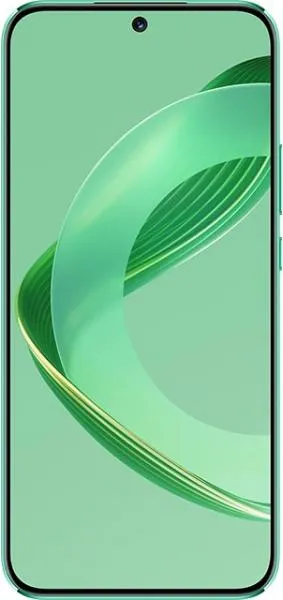
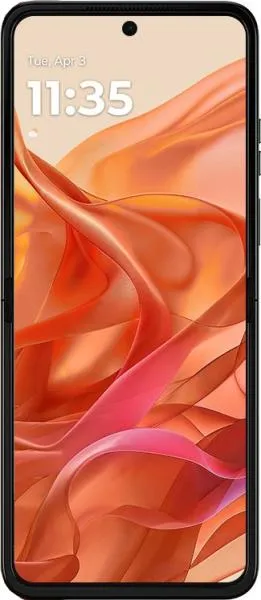
| Feature | Huawei nova 11 | Motorola Razr 50 | Practical Impact |
|---|---|---|---|
| Design | |||
| Dimensions (mm) | 161.3 x 75 x 6.9 | 171.3 x 74 x 7.3 | Razr 50 is taller and slightly thicker when unfolded. Nova 11 is more pocketable in traditional sense. Razr 50's folding design offers unique portability. |
| Weight (g) | 168 | 188.4 | Razr 50 is noticeably heavier. |
| Foldable | No | Yes | Razr 50's foldable design allows for a larger screen in a smaller folded size. |
| Display | |||
| Size (inches) | 6.7 | 6.9 | Razr 50 offers a slightly larger main screen. |
| Resolution (px) | 1084 x 2412 | 1080 x 2640 | Both offer sharp displays, Razr 50 slightly taller aspect ratio. |
| Type | OLED | Foldable LTPO AMOLED | Razr 50's foldable display technology is innovative but introduces a potential crease. LTPO potentially allows for more dynamic refresh rate adjustments, saving battery. |
| Refresh Rate (Hz) | 120 | 120 | Both offer smooth scrolling and animations. |
| Peak Brightness (nits) | 950 | 3000 | Razr 50 is significantly brighter, improving outdoor visibility. |
| Performance | |||
| Chipset | Snapdragon 778G 4G | Dimensity 7300X | Both are mid-range chipsets, Dimensity 7300X likely offers better performance based on newer architecture and manufacturing process (4nm vs 6nm), benchmarks needed for definitive conclusion. |
| CPU | Octa-core (4x2.4 GHz Kryo 670 & 4x1.8 GHz Kryo 670) | Octa-core (4x2.5 GHz Cortex-A78 & 4x2.0 GHz Cortex-A55) | Dimensity 7300X likely offers better CPU performance. More efficient architecture. |
| GPU | Adreno 642L | Mali-G615 MC2 | GPU performance comparison requires further benchmarks. |
| RAM (GB) | 8 | 8/12 | Razr 50 offers a 12GB RAM option, beneficial for multitasking and demanding applications. |
| Camera | |||
| Main Camera (MP) | 50 | 50 | Comparable resolution; image quality depends on sensor size, processing, and other factors not provided. |
| Selfie Camera (MP) | 60 | 32 | Nova 11 boasts a higher resolution selfie camera. Practical difference in image quality needs further analysis based on sensor details. |
| Video Capabilities | 720p@960fps with EIS | 4K@30fps with EIS, 1080p@60fps with EIS | Razr offers superior video resolution and frame rates. |
| Battery | |||
| Capacity (mAh) | 4500 | 4200 | Nova 11 has slightly larger battery capacity. Actual battery life depends on usage patterns and software optimization. |
| OS | Not specified | Android 14 | Missing OS details for Nova 11 hinders comparison. Razr 50 benefits from latest Android features and security updates. |
2. Key Differences Analysis
Huawei nova 11 Advantages:
- Lighter and potentially more pocketable: Significant for daily carrying comfort.
- Higher resolution selfie camera: Potentially better for detailed self-portraits, but sensor quality information is needed for a definitive conclusion.
- Slightly larger battery: Potentially longer battery life, but real-world usage will vary.
Motorola Razr 50 Advantages:
- Foldable Design: Unique form factor, compact when folded, larger screen when unfolded.
- Brighter Display: Superior outdoor visibility.
- More Powerful Chipset: Likely smoother performance for demanding tasks and gaming.
- 5G Connectivity: Faster data speeds and lower latency where available.
- Android 14: Latest OS with new features and security updates.
- Higher Resolution Video Recording: Significantly better video quality.
Trade-offs:
- Razr 50: Higher price, heavier, potential crease in the folding display, smaller battery capacity.
- Nova 11: Lack of 5G, older chipset, less bright display, unknown OS version.
3. User Profiles & Recommendations
Huawei nova 11: Users prioritizing a lightweight, traditional smartphone design with a strong focus on selfie quality and potentially longer battery life. Suitable for everyday tasks, social media, and casual photography. Budget-conscious buyers.
Motorola Razr 50: Users valuing innovation, portability of a foldable design, and a large, bright display for media consumption. Suitable for users who multitask, consume media heavily, and want the latest technology.
4. Decision Framework
Key Questions for Buyers:
- Form Factor Preference: Do you prioritize a traditional smartphone design or a foldable device?
- Performance Needs: Do you require top-tier performance for gaming and demanding tasks, or is good enough performance sufficient?
- Budget: How much are you willing to spend? The Razr 50 commands a premium for its foldable technology.
Scenario-Based Recommendations:
- Limited Budget, prioritize portability and battery life: Huawei nova 11.
- Latest technology, innovative design, prioritize media consumption: Motorola Razr 50.
- Value performance and future-proofing: Lean towards Razr 50 if budget allows.
My Choice: Motorola Razr 50
While the Huawei nova 11 offers a lighter and potentially more affordable option, the Motorola Razr 50's foldable design, brighter display, more powerful processor, 5G connectivity, and the latest Android OS make it a more compelling choice for me. I value the innovation and the unique experience offered by the foldable form factor. The performance advantage and future-proofing offered by the Razr 50 outweigh the trade-offs of higher price and weight. The significantly brighter display is a huge plus for outdoor usage. The lack of clear OS information for the Nova 11 is a major concern. While I acknowledge the potential for screen creasing with foldable phones, the benefits outweigh the risk for me personally.
