
1. Specifications Comparison
| Feature | Huawei nova 11 | Motorola Razr 40 Ultra | Practical Impact |
|---|---|---|---|
| Design | |||
| Dimensions (mm) | 161.3 x 75 x 6.9 | 170.8 x 74 x 7 | Razr 40 Ultra is slightly larger but similarly thin. Foldable design makes it more compact when closed. |
| Weight (g) | 168 | 184.5 | Razr 40 Ultra is noticeably heavier due to the folding mechanism. |
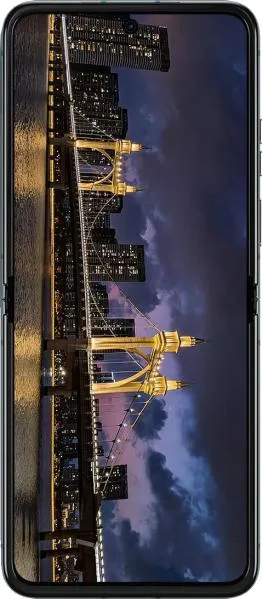
| Foldable | No | Yes | Razr's foldable design offers portability and a unique form factor, but introduces potential durability concerns. |
| Display | |||
| Display Type | OLED, 120Hz | Foldable LTPO AMOLED, 165Hz | Razr 40 Ultra boasts a higher refresh rate (smoother animations) and LTPO for potentially better power efficiency. Foldable screen offers unique external display functionality. |
| Size (inches) | 6.7 | 6.9 | Razr has a slightly larger main screen. |
| Resolution | 1084 x 2412 | 1080 x 2640 | Similar pixel density, but Razr's taller aspect ratio may be better for content consumption. |
| Peak Brightness (nits) | 950 | 1400 | Razr 40 Ultra offers significantly higher peak brightness for better outdoor visibility. |
| Performance | |||
| Chipset | Snapdragon 778G 4G (6 nm) | Snapdragon 8+ Gen 1 (4 nm) | Razr 40 Ultra utilizes a flagship-level processor, resulting in significantly faster performance for demanding tasks and gaming. |
| CPU | Octa-core (4x2.4 GHz & 4x1.8 GHz) | Octa-core (1x3.19 GHz & 3x2.75 GHz & 4x1.80 GHz) | Razr 40 Ultra's CPU offers superior performance in terms of speed and efficiency. |
| GPU | Adreno 642L | Adreno 730 | Razr 40 Ultra's GPU provides a much more powerful graphics rendering capability for gaming and visually intensive applications. |
| RAM | 8GB | 8/12GB | Razr 40 Ultra offers a 12GB RAM option, providing better multitasking performance. |
| Camera | |||
| Main Camera | 50MP | 12MP | While Nova 11 has higher resolution, Razr uses a larger sensor (unspecified size) and potentially better image processing due to the superior chipset. Real-world image quality comparison is needed. |
| Selfie Camera | 60MP | 32MP | Nova 11 has a higher resolution selfie camera. |
| Video | 720p@960fps | Up to 4K@60fps | Razr 40 Ultra supports significantly higher video resolution and frame rates. |
| Battery | |||
| Capacity (mAh) | 4500 | 3800 | Nova 11 has a larger battery capacity, potentially offering longer battery life. Foldable design and powerful processor of the Razr may consume more power. |
| OS | Not specified | Android 13 | Lack of OS information for Nova 11 limits comparison. |
2. Key Differences Analysis
Huawei nova 11 Advantages:
- Larger Battery: Potentially longer battery life.
- Higher Resolution Selfie Camera: Potentially better selfie image quality.
- Lighter: Easier to handle and carry.
- Potentially Lower Price: Depending on specific configurations.
Motorola Razr 40 Ultra Advantages:
- Significantly Faster Performance: Due to flagship-level processor.
- Foldable Design: Unique form factor, increased portability.
- Higher Refresh Rate Display: Smoother user experience.
- Brighter Display: Better outdoor visibility.
- Higher Resolution Video Recording: Superior video quality.
- More Advanced Connectivity (5G, Bluetooth 5.3, WiFi 6E): Future-proof connectivity options.
3. User Profiles & Recommendations
Huawei nova 11: Users prioritizing battery life, selfie quality, and affordability, who primarily use their phones for everyday tasks and social media.
Motorola Razr 40 Ultra: Users who value cutting-edge technology, top-tier performance, and a unique foldable design, and are willing to pay a premium for it. Ideal for power users, content creators, and those seeking a compact yet powerful device.
4. Decision Framework
Key Questions for Buyers:
- What is your budget? The Razr 40 Ultra is generally more expensive.
- Is a foldable design a priority? This is a key differentiating factor.
- What are your primary phone usage patterns? Demanding tasks require a powerful processor like the one in the Razr.
My Choice: Motorola Razr 40 Ultra
While the Huawei nova 11 offers a larger battery and potentially lower price, the Motorola Razr 40 Ultra is the superior device overall. Its flagship-level performance, stunning foldable design, brighter and smoother display, and advanced connectivity make it a compelling choice for users who want the latest and greatest technology. The higher video recording capabilities and potential for better image quality despite the lower megapixel count (due to potentially larger sensor size and superior image processing) further solidify its position. I prioritize performance and innovative features, making the Razr 40 Ultra the clear winner for me. The trade-off of a slightly smaller battery and higher price is justifiable for the significant advancements it offers. The lack of complete OS details for the Nova 11 also makes a comprehensive comparison challenging.
