1. Specifications Comparison
| Feature | Huawei nova 11 | Motorola Razr 40 | Practical Impact |
|---|---|---|---|
| Design | |||
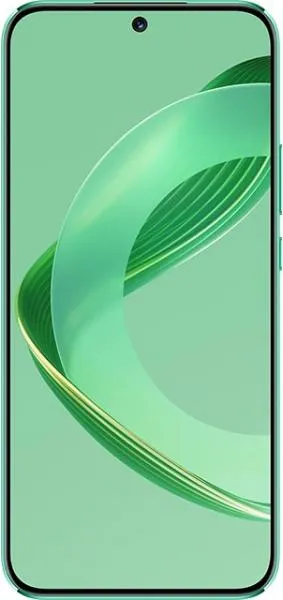
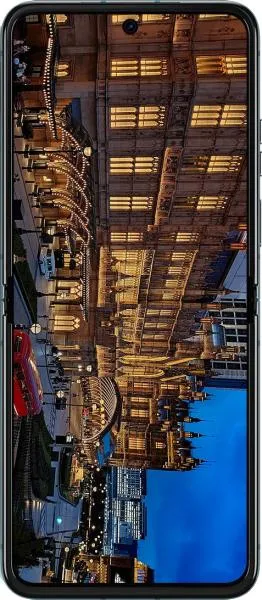
| Dimensions (mm) | 161.3 x 75 x 6.9 | 170.8 x 74 x 7.4 | Razr 40 is taller and slightly thicker when unfolded, but significantly smaller when folded due to its foldable design. Nova 11 is thinner and lighter overall for one-handed use. |
| Weight (g) | 168 | 188.6 | Nova 11 is noticeably lighter, reducing hand fatigue during extended use. |
| Foldable | No | Yes | Razr 40's foldable design offers portability and a unique form factor, while the Nova 11 is a traditional slab phone. |
| Display | |||
| Size (inches) | 6.7 | 6.9 | Razr 40 offers a slightly larger main screen. |
| Type | OLED | Foldable LTPO AMOLED | Both offer excellent color and contrast. Razr 40's LTPO panel potentially allows for more power-efficient variable refresh rate, but we lack confirmation if it's actively used for this purpose. |
| Refresh Rate (Hz) | 120 | 144 | Razr 40's higher refresh rate could result in smoother animations and scrolling, especially noticeable in gaming and fast-paced content. |
| Resolution (px) | 1084 x 2412 | 1080 x 2640 | Similar pixel density due to different aspect ratios. Sharpness will be comparable on both. |
| Peak Brightness (nits) | 950 | 1400 | Razr 40's significantly higher peak brightness ensures better outdoor visibility. |
| Performance | |||
| Chipset | Snapdragon 778G 4G (6nm) | Snapdragon 7 Gen 1 (4nm) | Razr 40's newer and more efficient chip should provide better performance and potentially improved battery life. |
| CPU | Octa-core (4x2.4 GHz & 4x1.8 GHz) | Octa-core (1x2.4 GHz & 3x2.36 GHz & 4x1.8 GHz) | Razr 40's CPU configuration suggests a performance advantage in demanding tasks. |
| GPU | Adreno 642L | Adreno 644 | Razr 40 has a more powerful GPU, leading to better gaming performance. |
| RAM (GB) | 8 | 8 | Both have sufficient RAM for multitasking. |
| Camera | |||
| Main Camera (MP) | 50 | 64 | Razr 40 has a higher resolution main sensor, potentially capturing more detail. However, image quality depends on many factors beyond resolution. |
| Selfie Camera (MP) | 60 | 32 | Nova 11 boasts a significantly higher resolution selfie camera. |
| Video Recording | 720p@960fps | 4K@30fps | Razr 40 offers higher resolution video recording, while Nova 11 offers extreme slow-motion capabilities. |
| Optical Stabilization | No | Yes | Razr 40's optical image stabilization will result in significantly smoother videos and potentially better low-light photos. |
| Battery | |||
| Capacity (mAh) | 4500 | 4200 | Nova 11 has a slightly larger battery capacity. However, real-world battery life depends on many factors, including display, processor efficiency, and software optimization. |
2. Key Differences Analysis
Huawei nova 11 Advantages:
- Lighter and Thinner: More comfortable for one-handed use and pocket portability.
- Higher Resolution Selfie Camera: Better for detailed self-portraits and video calls.
- Extreme Slow-Motion Video: Unique capability for capturing dramatic slow-motion footage.
- Slightly Larger Battery: Potentially longer battery life, although real-world usage will vary.
Motorola Razr 40 Advantages:
- Foldable Design: Offers compact portability and a unique user experience.
- More Powerful Performance: Snapdragon 7 Gen 1 chip provides smoother operation and better gaming.
- Higher Refresh Rate Display: Smoother scrolling and animations.
- Brighter Display: Enhanced outdoor visibility.
- Optical Image Stabilization: Significantly improved video quality and low-light photos.
- 5G Connectivity: Faster data speeds and improved network connectivity.
3. User Profiles & Recommendations
Huawei nova 11: Suitable for users who prioritize a lightweight and thin phone with an excellent selfie camera, and value extreme slow-motion video recording. Ideal use cases include:
- Social Media Enthusiasts: High-quality selfies and general photography.
- Casual Users: Everyday tasks, web browsing, and social media.
Motorola Razr 40: Ideal for users who value portability and a unique form factor, prioritize performance and a high-quality display, and need 5G connectivity. Ideal use cases include:
- Trendsetters: Those who want the latest technology and a stylish device.
- On-the-Go Professionals: Compact for travel and powerful enough for productivity tasks.
- Content Consumers: Enjoying media on a high-quality display.
4. Decision Framework
Key Questions for Buyers:
- Form Factor: Do you prioritize ultimate portability with a foldable design, or a traditional thin and light smartphone?
- Performance: Is top-tier performance for gaming and demanding tasks crucial, or is good enough performance sufficient?
- Camera Needs: Is a high-resolution selfie camera more important, or do you prefer better overall camera quality and video stabilization?
Scenario-Based Recommendations:
- Limited Budget and prioritize selfies: Huawei nova 11
- Want the latest technology and portability is key: Motorola Razr 40
- Prioritize performance and a great display: Motorola Razr 40
My Choice: Motorola Razr 40
While the Huawei Nova 11 offers a compelling combination of features, I would choose the Motorola Razr 40. The foldable design, superior performance with the Snapdragon 7 Gen 1, brighter and smoother display, optical image stabilization for both photos and videos, and 5G connectivity make it a more future-proof and versatile device. The Razr 40's unique form factor offers a significant advantage in portability without compromising on screen size, making it a more compelling option for my needs. Even though the Nova 11 has a higher resolution selfie camera, the Razr 40's overall camera system is likely to be better due to OIS. The slight difference in battery capacity is less concerning considering the efficiency of the Razr 40's processor. Ultimately, the innovative design and performance advantages of the Razr 40 outweigh the Nova 11's specific strengths for me.
