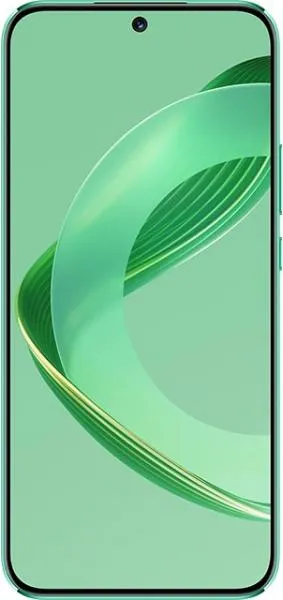
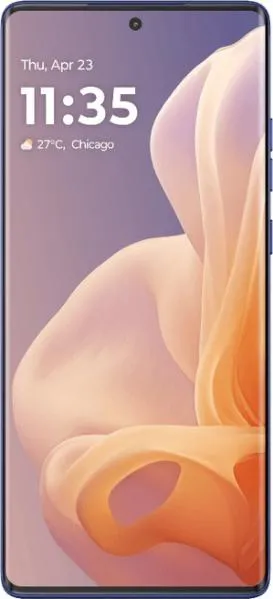
1. Specifications Comparison
| Feature | Huawei nova 11 | Motorola Moto G85 | Practical Impact |
|---|---|---|---|
| Design | |||
| Dimensions (mm) | 161.3 x 75 x 6.9 | 161.9 x 73.1 x 7.6 | Nova 11 is slightly thinner and shorter. G85 is slightly narrower. Negligible difference in hand feel. |
| Weight (g) | 168 | 171 | Virtually identical weight; negligible difference in real-world usage. |
| Display | |||
| Size (inches) | 6.7 | 6.67 | Nearly identical screen sizes, offering similar viewing experiences. |
| Resolution (px) | 1084 x 2412 | 1080 x 2400 | Nova 11 has a slightly higher resolution, but the difference is imperceptible to the naked eye. |
| Type | OLED | P-OLED | Both offer vivid colors and deep blacks. P-OLED might be slightly more power efficient. |
| Refresh Rate (Hz) | 120 | 120 | Both offer smooth scrolling and animations. |
| Peak Brightness (nits) | 950 | 1600 | G85 offers significantly higher peak brightness, improving outdoor visibility. |
| Performance | |||
| Chipset | Snapdragon 778G 4G | Snapdragon 6s Gen 3 | 778G is a more powerful chipset, resulting in smoother performance in demanding tasks and games. |
| CPU | Octa-core (4x2.4 GHz & 4x1.8 GHz) | Octa-core (2x2.3 GHz & 6x2.0 GHz) | 778G's higher clock speeds translate to faster processing. |
| GPU | Adreno 642L | Adreno 619 | 642L offers better gaming performance and graphics rendering. |
| RAM (GB) | 8 (up to 12 in China) | 12 (8GB option available) | G85's reviewed model has more RAM, enabling better multitasking. However, Nova 11 offers a 12GB variant in some regions. |
| Camera | |||
| Main Camera (MP) | 50 | 50 | Similar resolution; image quality will depend on sensor and processing. |
| Ultrawide (MP) | 8 | 8 | Similar resolution, practical usage depends on lens quality and software processing. |
| Selfie (MP) | 60 | 32 | Nova 11 has a significantly higher resolution selfie camera. |
| Video Recording | 720p@960fps with EIS | 1080p@60fps | Nova 11 offers super slow-motion but at lower resolution. G85 offers higher resolution standard slow motion, but no info on EIS was provided for G85. |
| Battery | |||
| Capacity (mAh) | 4500 | 5000 | G85 has a larger battery, potentially offering longer battery life. |
| OS | Not specified | Android 14 | Lack of OS information for Nova 11 hinders comparison. Android 14 on G85 guarantees latest features and security updates. |
2. Key Differences Analysis
Huawei nova 11 Advantages:
- More powerful processor: The Snapdragon 778G provides a noticeable performance advantage for gaming and demanding applications.
- Higher resolution selfie camera: Significantly better for video calls and self-portraits.
- Potentially slimmer profile: Though marginal, it might appeal to some users.
Motorola Moto G85 Advantages:
- Larger battery: Likely translates to longer usage time between charges.
- Brighter display: Much better outdoor visibility.
- More RAM in the reviewed model: Improved multitasking capabilities, though regional variations exist for Nova 11 as well.
- Confirmed Android 14: Ensures access to the latest features, security updates, and longer software support.
- 5G Connectivity: Offers faster mobile data speeds compared to Nova 11's 4G.
Trade-offs:
- Nova 11: Performance over battery life.
- G85: Battery life and display brightness over raw processing power.
3. User Profiles & Recommendations
Huawei nova 11: Users who prioritize performance, a slim design, and high-quality selfies, but are okay with 4G connectivity. Suitable for gaming, photography enthusiasts, and social media users.
Motorola Moto G85: Users who prioritize battery life, bright display, 5G connectivity, and the latest Android features. Suitable for everyday users, content consumption, and those needing all-day battery performance.
4. Decision Framework
Key Questions for Buyers:
- Is 5G connectivity essential? G85 offers 5G, while Nova 11 is limited to 4G.
- Which is more important: performance or battery life? Nova 11 excels in performance, while G85 boasts a larger battery.
- What is your budget and regional availability? Prices may vary and the 12GB RAM variant of the Nova 11 may not be available globally.
Scenario-Based Recommendations:
- Heavy gamer: Huawei nova 11 due to its superior processor.
- All-day use with minimal charging: Motorola Moto G85 due to its larger battery.
- Latest software and 5G: Motorola Moto G85
My Choice: Motorola Moto G85
While the Huawei Nova 11 offers a performance advantage, the Motorola Moto G85 presents a more well-rounded package for my needs. The significantly brighter display, larger battery for extended use, confirmed Android 14 with its longer software support lifespan, and 5G connectivity are crucial factors for me. The slightly lower performance is a trade-off I'm willing to make for these benefits. The lack of clear OS information for the Nova 11 is also concerning. Finally, having access to the latest features and security updates is a priority. Therefore, the Moto G85 provides greater long-term value and a better overall user experience for my personal preferences.
