1. Specifications Comparison
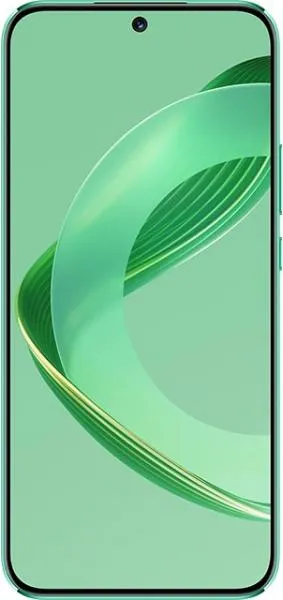
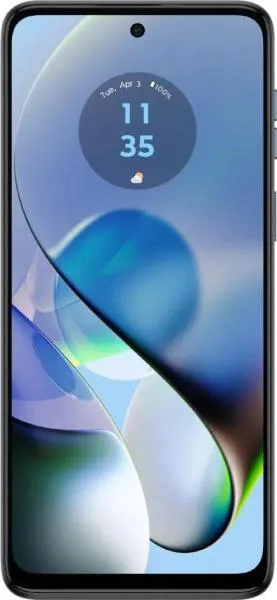
| Feature | Huawei nova 11 | Motorola Moto G54 | Practical Impact |
|---|---|---|---|
| Design | |||
| Dimensions (mm) | 161.3 x 75 x 6.9 | 161.6 x 73.8 x 8 | Nova 11 is slightly thinner and lighter. Moto G54 might feel slightly bulkier in hand. |
| Weight (g) | 168 | 177 | Noticeable difference in weight; Nova 11 will feel lighter for extended use. |
| Display | |||
| Display Type | OLED | IPS LCD | Nova 11's OLED offers deeper blacks, more vibrant colors, and better power efficiency in dark mode. Moto G54's LCD may be brighter outdoors. |
| Size (inches) | 6.7 | 6.5 | Nova 11 offers a slightly larger screen for media consumption. |
| Refresh Rate (Hz) | 120 | 120 | Both offer smooth scrolling and animations. |
| Resolution | 1084 x 2412 | 1080 x 2400 | Negligible difference in sharpness. |
| Performance | |||
| Chipset | SD 778G 4G | Dimensity 7020 | Both offer similar mid-range performance. Dimensity 7020 might have a slight edge in some benchmarks, but real-world difference is minor. |
| CPU | Octa-core | Octa-core | Similar CPU configurations; performance differences will likely be minimal in everyday tasks. |
| GPU | Adreno 642L | IMG BXM-8-256 | Gaming performance should be comparable, but specific game optimizations may favor one GPU over the other. |
| RAM (GB) | 8 | 8 | Both offer ample RAM for multitasking. |
| Camera | |||
| Main Camera (MP) | 50 | 50 | Similar resolution; image quality will depend on sensor and software processing. No information on sensor size limits detailed comparison. |
| Selfie Camera (MP) | 60 | 16 | Nova 11 boasts a significantly higher resolution selfie camera. |
| Video Recording | 720p@960fps | 1080p@60fps | Moto G54 offers higher resolution video recording, but Nova 11 offers super slow motion. |
| Battery | |||
| Capacity (mAh) | 4500 | 5000 | Moto G54 offers a larger battery, likely resulting in longer battery life. |
| Connectivity | |||
| 5G | No | Yes | Moto G54 offers future-proofing with 5G connectivity. |
| NFC | Yes | Yes | Both support contactless payments. |
2. Key Differences Analysis
Huawei nova 11 Advantages:
- Superior Display: OLED offers better contrast, colors, and power efficiency.
- Higher Resolution Selfie Camera: Significantly better for self-portraits and video calls.
- Super Slow-Motion Video: Unique capability for creative video recording.
- Lighter and Slimmer Design: More comfortable for one-handed use and pocket portability.
Motorola Moto G54 Advantages:
- 5G Connectivity: Future-proof network access.
- Larger Battery: Potentially longer battery life.
- Higher Resolution Standard Video Recording: More detailed videos.
- Lower Price: Offers better value for money based on provided pricing.
Trade-offs:
- Nova 11 sacrifices battery capacity and 5G for a slimmer design and better display.
- Moto G54 prioritizes practicality and value with 5G and a large battery, compromising on display quality and selfie camera resolution.
3. User Profiles & Recommendations
Huawei nova 11: Users who prioritize display quality, a slim design, excellent selfie capabilities, and are willing to forgo 5G and potentially shorter battery life. Suitable for photography enthusiasts, social media users, and those who value aesthetics.
Motorola Moto G54: Users who prioritize 5G connectivity, long battery life, and value for money. Suitable for users who need reliable connectivity, heavy smartphone users, and budget-conscious buyers.
4. Decision Framework
Key Questions:
- Is 5G connectivity essential for you?
- How important is display quality and selfie camera performance?
- What is your budget and how much do you value battery life?
Scenario-Based Recommendations:
- Heavy data user needing future-proof network: Moto G54
- Social media enthusiast prioritizing camera and aesthetics: Huawei nova 11
- Budget-conscious buyer needing a reliable phone with long battery life: Moto G54
My Choice: Motorola Moto G54
While the Huawei Nova 11 offers a compelling display and camera setup, the Moto G54's 5G connectivity, significantly larger battery, and lower price make it the more practical choice for me. I value future-proofing and all-day battery life, and the Moto G54 delivers these crucial features without significant compromises in other areas. The price difference is substantial enough to sway my decision, as the performance differences between the two chipsets are likely negligible for my usage. While I would appreciate the Nova 11's superior display, the Moto G54's overall package provides better value and aligns better with my needs.
