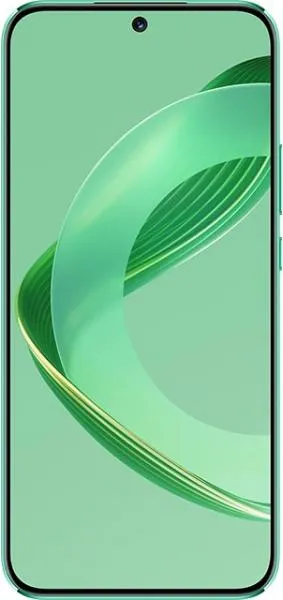
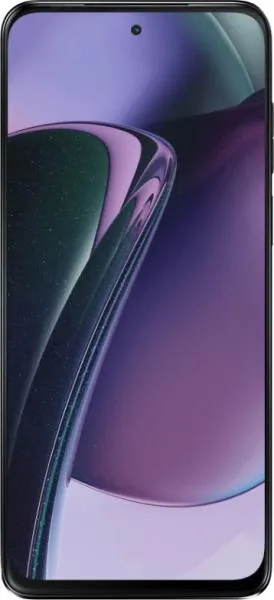
1. Specifications Comparison
| Feature | Huawei nova 11 | Motorola Moto G Stylus 5G (2023) | Practical Impact |
|---|---|---|---|
| Design | |||
| Dimensions (mm) | 161.3 x 75 x 6.9 | 162.8 x 73.8 x 9.2 | Nova 11 is significantly thinner and lighter, improving one-handed use and portability. |
| Weight (g) | 168 | 202 | Nova 11 is noticeably lighter, reducing hand fatigue during extended use. |
| Build Material | Missing | Missing | Cannot compare build quality and durability. |
| Display | |||
| Display Type | OLED | IPS LCD | Nova 11's OLED offers deeper blacks, higher contrast, and potentially better power efficiency. Moto G Stylus's LCD might offer better outdoor visibility. |
| Display Size (inches) | 6.7 | 6.6 | Negligible size difference. |
| Resolution (px) | 1084 x 2412 | 1080 x 2400 | Virtually identical sharpness. |
| Refresh Rate (Hz) | 120 | 120 | Both offer smooth scrolling and animations. |
| Performance | |||
| Chipset | Snapdragon 778G 4G (6 nm) | Snapdragon 6 Gen 1 (4 nm) | 778G generally performs better in benchmarks, but real-world difference might be minimal for average users. |
| CPU | Octa-core (4x2.4 GHz & 4x1.8 GHz) | Octa-core (4x2.2 GHz & 4x1.8 GHz) | Similar CPU configurations, performance differences likely depend on optimization. |
| GPU | Adreno 642L | Adreno 710 | Moto G Stylus might have a slight edge in GPU performance for gaming. |
| RAM (GB) | 8 | 6/8 (Variant Dependent) | 8GB RAM on both high-end variants ensures smooth multitasking. |
| Storage (GB) | 256 | 128/256 (Variant Dependent) | Both offer ample storage, but variant dependent. |
| Camera | |||
| Main Camera (MP) | 50 | 50 | Resolution is similar, image quality depends on sensor and processing. |
| Ultrawide (MP) | 8 | 8 | Similar ultrawide capabilities. |
| Selfie Camera (MP) | 60 | 16 | Nova 11 boasts a significantly higher resolution selfie camera. |
| Video Recording | 720p@960fps | 4K@30fps | Moto G Stylus offers higher resolution video recording, Nova 11 offers higher frame rate slow-motion. |
| Battery | |||
| Capacity (mAh) | 4500 | 5000 | Moto G Stylus offers a larger battery, potentially leading to longer battery life. |
| Charging Speed | Missing | Missing | Cannot compare charging speeds. |
| Other | |||
| OS | Missing | Android 13 | Moto G Stylus comes with a defined OS version. |
| 5G Connectivity | No | Yes | Moto G Stylus offers 5G connectivity for faster data speeds. |
| Stylus | No | Yes | Moto G Stylus includes a stylus for note-taking and drawing. |
| Price | Medium | Medium | Pricing overlaps, but specific model variants may differ. |
2. Key Differences Analysis
Huawei nova 11 Advantages:
- Sleeker and Lighter Design: Significantly thinner and lighter, enhancing portability and one-handed use.
- OLED Display: Superior contrast, deeper blacks, and potentially better power efficiency compared to the IPS LCD.
- Higher Resolution Selfie Camera: 60MP selfie camera for detailed self-portraits.
Motorola Moto G Stylus 5G (2023) Advantages:
- 5G Connectivity: Future-proof network access with faster data speeds.
- Larger Battery: Potentially longer battery life.
- Stylus Support: Integrated stylus for note-taking, sketching, and precise screen interaction.
- Confirmed Operating System: Ships with Android 13.
3. User Profiles & Recommendations
Huawei nova 11: Users prioritizing a slim, lightweight design, excellent display quality, and a high-resolution selfie camera. Ideal for social media enthusiasts, content creators focused on photography, and those who value portability.
Motorola Moto G Stylus 5G (2023): Users who need 5G connectivity, long battery life, and the versatility of a stylus. Suitable for students, professionals who take notes frequently, and those who consume media on the go.
4. Decision Framework
Key Questions:
- Is 5G connectivity a priority? If yes, the Moto G Stylus is the only option.
- How important is a slim and lightweight design? If crucial, the Nova 11 excels.
- Do you need a stylus for note-taking or drawing? Moto G Stylus caters to this need.
My Choice: Motorola Moto G Stylus 5G (2023)
While the Huawei Nova 11 offers a compelling design and display, the Motorola Moto G Stylus 5G (2023) provides a more well-rounded package for my needs. 5G connectivity is essential for future-proofing and faster data speeds. The larger battery promises longer usage between charges, which is crucial for my daily workflow. Finally, the integrated stylus adds a unique dimension of productivity and creativity, making the Moto G Stylus a more versatile device overall. While I appreciate the Nova 11's sleek design, the practical benefits of 5G, battery life, and stylus functionality outweigh the aesthetic advantages. The lack of clear OS information for the Nova 11 is also a concern.
