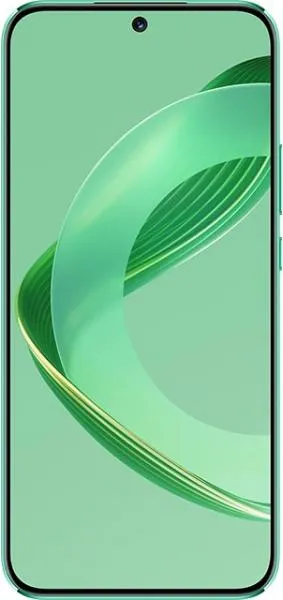
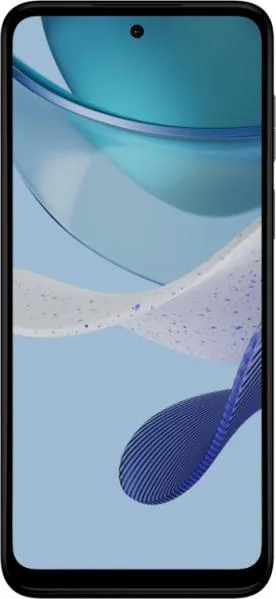
1. Specifications Comparison
| Feature | Huawei nova 11 | Motorola Moto G (2023) | Practical Impact |
|---|---|---|---|
| Design | |||
| Dimensions (mm) | 161.3 x 75 x 6.9 | 164 x 75 x 8.4 | Nova 11 is noticeably thinner and slightly shorter. Moto G is thicker and heavier. Impacts portability and in-hand feel. |
| Weight (g) | 168 | 189 | Nova 11 is significantly lighter. More comfortable for extended use and one-handed operation. |
| Build Materials | Missing | Missing | Cannot compare build quality and durability. |
| Display | |||
| Display Type | OLED | IPS LCD | Nova 11's OLED offers deeper blacks, more vibrant colors, and better power efficiency. Moto G's LCD might be brighter in direct sunlight. Impacts visual experience and battery life. |
| Display Size (inches) | 6.7 | 6.5 | Negligible difference in screen real estate. |
| Resolution | 1084 x 2412 | 720 x 1600 | Nova 11 has a much sharper display. Noticeably clearer text and images. Impacts media consumption and overall visual clarity. |
| Refresh Rate (Hz) | 120 | 120 | Both offer smooth scrolling and animations. |
| Performance | |||
| Chipset | Snapdragon 778G 4G (6nm) | Snapdragon 480+ 5G (8nm) | Nova 11 has a significantly more powerful processor. Faster app loading, smoother multitasking, better gaming performance. |
| CPU | Octa-core (4x2.4 GHz & 4x1.8 GHz) | Octa-core (2x2.2 GHz & 6x1.8 GHz) | Nova 11's CPU architecture and higher clock speeds translate to better performance. |
| GPU | Adreno 642L | Adreno 619 | Nova 11 offers better graphics performance. Smoother gaming and faster rendering. |
| RAM (GB) | 8 | 4 | Nova 11 offers more RAM for multitasking. Fewer app reloads and smoother performance with multiple apps open. |
| Camera | |||
| Main Camera (MP) | 50 | 48 | Slight difference in resolution, likely negligible in real-world usage. Image quality depends more on sensor and processing. |
| Selfie Camera (MP) | 60 | 8 | Nova 11 boasts a much higher resolution selfie camera. Significantly better detail in self-portraits. |
| Video Recording | 720p@960fps | 1080p@30fps | Nova 11 offers super slow-motion recording, but Moto G records at a higher standard resolution. Choice depends on user preference for slow-mo vs. standard video quality. |
| Battery | |||
| Capacity (mAh) | 4500 | 5000 | Moto G has a larger battery capacity. Potentially longer battery life, but actual usage depends on other factors like display and processor efficiency. |
2. Key Differences Analysis
Huawei nova 11 Advantages:
- Superior Display: Significantly sharper and more vibrant OLED display.
- Significantly Better Performance: More powerful processor and GPU, more RAM.
- Higher Resolution Selfie Camera: Much better for self-portraits and video calls.
- Thinner and Lighter Design: More portable and comfortable to hold.
Motorola Moto G (2023) Advantages:
- Larger Battery: Potentially longer battery life.
- 5G Connectivity: Future-proofed for faster mobile data speeds.
- Lower Price: Significantly more affordable.
3. User Profiles & Recommendations
Huawei nova 11: Users who prioritize performance, display quality, camera quality (especially selfies), and a premium design. Suitable for demanding tasks, gaming, media consumption, and photography enthusiasts.
Motorola Moto G (2023): Budget-conscious users who prioritize battery life and 5G connectivity. Suitable for everyday tasks, web browsing, social media, and casual photography.
4. Decision Framework
Key Questions for Buyers:
- What is your budget? The Moto G is significantly cheaper.
- What are your performance needs? The Nova 11 offers significantly better performance for demanding tasks and gaming.
- Do you prioritize display quality and camera performance? The Nova 11 excels in these areas.
Scenario-Based Recommendations:
- Limited Budget: Moto G (2023)
- Performance and Media Consumption Focus: Huawei nova 11
- Future-Proofing with 5G: Moto G (2023)
My Choice: Huawei nova 11
While the Motorola Moto G (2023) offers excellent value for its price, the Huawei nova 11's superior performance, stunning display, and better camera system make it a more compelling device for my needs. I prioritize a smooth and enjoyable user experience, and the Nova 11's powerful hardware ensures that. The significantly sharper and more vibrant OLED display is a major selling point for media consumption. While the Moto G's larger battery is tempting, the Nova 11's OLED efficiency might offset that difference in real-world usage. The lack of 5G in the Nova 11 is a consideration, but 4G speeds are sufficient for my current needs. Ultimately, the overall user experience offered by the Nova 11 outweighs the Moto G's advantages in battery capacity and 5G connectivity for me.
