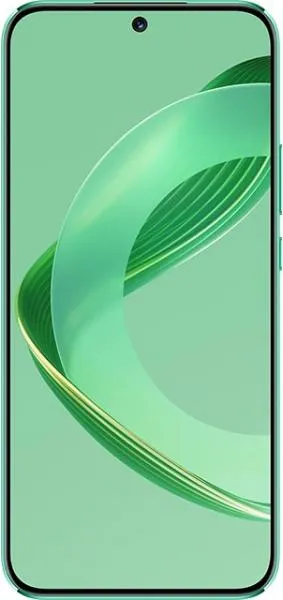
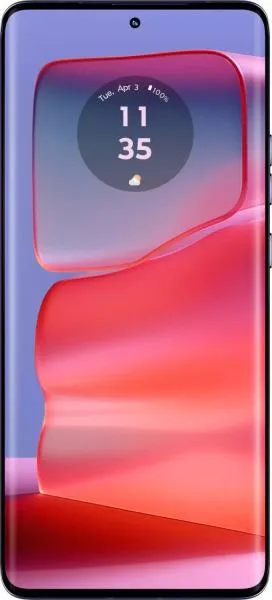
1. Specifications Comparison
| Feature | Huawei nova 11 | Motorola Edge 50 Pro | Practical Impact |
|---|---|---|---|
| Design | |||
| Dimensions (mm) | 161.3 x 75 x 6.9 | 161.2 x 74.2 x 8.2 | Motorola is slightly thicker and heavier. Nova 11 is noticeably thinner and lighter, potentially more pocketable. |
| Weight (g) | 168 | 186 | |
| Build Materials | Unspecified | Unspecified | Build quality and feel cannot be compared without more information. |
| Display | |||
| Display Type | OLED | p-OLED | Both offer vibrant colors and deep blacks. p-OLED might offer slightly better power efficiency. |
| Size (inches) | 6.7 | 6.7 | Same screen size. |
| Resolution | 1084 x 2412 | 1220 x 2712 | Motorola has a sharper display with higher pixel density, leading to crisper text and images. |
| Refresh Rate (Hz) | 120 | 144 | Motorola offers a smoother scrolling and gaming experience due to the higher refresh rate. |
| Peak Brightness (nits) | 950 | 2000 | Motorola's significantly higher peak brightness ensures better visibility in direct sunlight. |
| Performance | |||
| Chipset | Snapdragon 778G 4G | Snapdragon 7 Gen 3 | Motorola has a newer and more powerful processor, resulting in faster performance and improved efficiency. It also supports 5G. |
| CPU | Octa-core (4x2.4 GHz Kryo 670 & 4x1.8 GHz Kryo 670) | Octa-core (1x2.63 GHz Cortex-A715 & 4x2.4 GHz Cortex-A715 & 3x1.8 GHz Cortex-A510) | Motorola's CPU architecture is newer and likely more performant, particularly in demanding tasks. |
| GPU | Adreno 642L | Adreno 720 | Motorola's GPU is more powerful, beneficial for gaming and graphically intensive applications. |
| RAM (GB) | 8 | 12 | Motorola offers more RAM, enabling better multitasking and smoother performance with multiple apps open. |
| OS | Unspecified | Android 14 | Without OS details for the Nova 11, software features and update guarantees can't be compared. |
| Camera | |||
| Rear Camera | 50MP Main, 8MP Wide+Macro | 50MP Main, 13MP Wide, 10MP Telephoto | Motorola offers a more versatile camera system with a dedicated telephoto lens for optical zoom. |
| Front Camera | 60MP | 50MP | Resolution difference is minor; practical image quality depends on sensor and processing. |
| Video Recording | 720p@960fps with EIS | 4K@30fps with HDR, EIS | Motorola offers significantly better video resolution and features including HDR. Nova 11's high frame rate slow-motion is a niche feature. |
| Battery | |||
| Capacity (mAh) | 4500 | 4500 | Same battery capacity. Real-world battery life depends on software optimization and usage patterns. |
| Charging Speed | Unspecified | Unspecified | Charging speeds cannot be compared without more information. |
2. Key Differences Analysis
Huawei nova 11 Advantages:
- Thinner and Lighter: More comfortable for one-handed use and pocket portability.
Motorola Edge 50 Pro Advantages:
- Significantly More Powerful: Newer chipset, CPU, and GPU deliver better performance for demanding tasks and gaming.
- Sharper and Brighter Display: Higher resolution and peak brightness improve visual clarity, especially outdoors.
- Smoother Display: Higher refresh rate provides a more fluid user experience.
- More Versatile Camera System: Telephoto lens enables optical zoom, expanding photographic capabilities.
- Superior Video Recording: 4K resolution and HDR significantly improve video quality.
- 5G Connectivity: Offers faster data speeds and access to the latest cellular network technology. This is a very significant advantage in areas with 5G coverage.
- Up-to-date OS: Ships with the latest Android version, likely with longer software support.
3. User Profiles & Recommendations
Huawei nova 11: Users prioritizing a thin and light phone for casual use, social media, and less demanding tasks. Price-sensitive buyers might find it attractive if priced competitively.
Motorola Edge 50 Pro: Users who value performance, a high-quality display, a versatile camera system, and the latest technology. Suitable for gamers, power users, and content creators.
4. Decision Framework
Key Questions for Buyers:
- What is your budget? The price difference between these phones might be substantial.
- What are your primary use cases? Casual use vs. demanding tasks, gaming, content creation.
- Do you prioritize portability and design or performance and features?
My Choice: Motorola Edge 50 Pro
The Motorola Edge 50 Pro offers a significantly better overall package despite being potentially heavier and thicker. The superior performance, display, camera system, and 5G connectivity make it a more future-proof and versatile device. The newer Snapdragon 7 Gen 3 chip offers major performance and efficiency improvements over the Snapdragon 778G in the Nova 11. While the Nova 11's thinness and lightness might appeal to some, the Edge 50 Pro's advantages in key areas like performance, display, and camera outweigh the design differences for most users. The lack of OS information for the Nova 11 is also a concern. A modern, well-supported OS is crucial for security and functionality.
