1. Specifications Comparison
| Feature | Huawei nova 11 | Motorola Edge 40 | Practical Impact |
|---|---|---|---|
| Design | |||
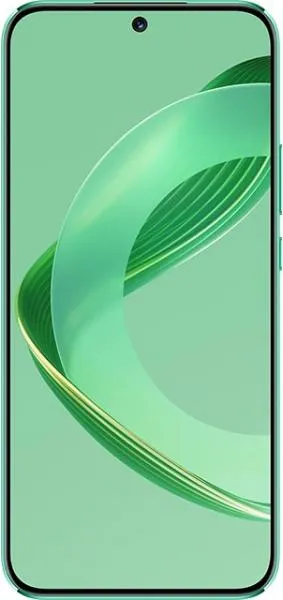
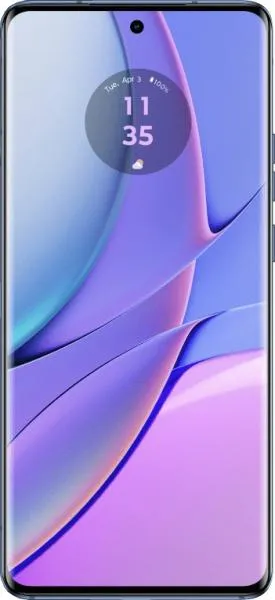
| Dimensions (mm) | 161.3 x 75 x 6.9 | 158.4 x 72 x 7.6 | Motorola Edge 40 is slightly shorter, narrower, but thicker. Nova 11 is thinner and potentially more pocketable. |
| Weight (g) | 168 | 167 | Negligible weight difference. |
| Display | |||
| Display Type | OLED | P-OLED | Both offer vibrant colors and deep blacks. P-OLED on the Edge 40 might be slightly more power efficient. |
| Size (inches) | 6.7 | 6.55 | Nova 11 offers a slightly larger screen for media consumption. |
| Resolution | 1084 x 2412 | 1080 x 2400 | Virtually identical sharpness. |
| Refresh Rate (Hz) | 120 | 144 | Edge 40's higher refresh rate results in smoother scrolling and animations, especially noticeable in gaming and fast-paced UI interactions. |
| Peak Brightness (nits) | 950 | 1200 | Edge 40's significantly higher peak brightness makes it more usable in direct sunlight. |
| Performance | |||
| Chipset | Snapdragon 778G 4G | Dimensity 8020 | Dimensity 8020 generally benchmarks higher, offering a performance advantage in demanding tasks and potentially better gaming performance. |
| CPU | Octa-core (4x2.4 GHz & 4x1.8 GHz) | Octa-core (4x2.6 GHz & 4x2.0 GHz) | Edge 40's faster CPU clock speeds should translate to quicker app loading and multitasking. |
| GPU | Adreno 642L | Mali-G77 MC9 | Mali-G77 MC9 generally provides better graphical performance compared to Adreno 642L, benefiting gaming and graphic-intensive applications. |
| RAM (GB) | 8 | 8 | Identical RAM capacity for smooth multitasking. |
| Camera | |||
| Main Camera (MP) | 50 | 50 | Both have similar megapixel counts, but sensor size and aperture differ (see below). |
| Aperture (Main) | f/1.9 | f/1.4 | Edge 40's wider aperture allows for better low-light performance and shallower depth of field (bokeh). |
| Ultrawide (MP) | 8 | 13 | Edge 40 offers a higher resolution ultrawide camera for capturing wider scenes. |
| Selfie Camera (MP) | 60 | 32 | Nova 11 boasts a significantly higher resolution selfie camera. |
| Video Capabilities | 720p@960fps | Up to 4K@30fps, 720p@960fps | Edge 40 supports higher resolution video recording (4K) with HDR and EIS. |
| Battery | |||
| Capacity (mAh) | 4500 | 4400 | Marginally larger battery in the Nova 11. Real-world battery life depends on optimization and usage. |
2. Key Differences Analysis
Huawei nova 11 Advantages:
- Thinner and Lighter Design: More pocketable.
- Slightly Larger Display: More immersive for media.
- Higher Resolution Selfie Camera: Better for detailed self-portraits.
Motorola Edge 40 Advantages:
- Smoother Display: 144Hz refresh rate for a more fluid user experience.
- Brighter Display: Better visibility outdoors.
- More Powerful Performance: Dimensity 8020 and Mali-G77 MC9 provide a noticeable advantage in demanding tasks and gaming.
- Superior Main Camera: Wider aperture for improved low-light photography.
- Higher Resolution Ultrawide Camera: Captures more detail in wider shots.
- 5G Connectivity: Future-proofed for faster mobile data speeds.
3. User Profiles & Recommendations
Huawei nova 11: Users prioritizing a slim design, large display for media consumption, and high-resolution selfies. Suitable for casual users and those focused on social media content creation.
Motorola Edge 40: Users who value performance, a smooth and bright display, and a versatile camera system. Ideal for gamers, power users, and those seeking a future-proof device with 5G.
4. Decision Framework
Key Questions for Buyers:
- Is 5G connectivity essential? (Edge 40 is 5G capable, Nova 11 is not.)
- What is your priority: performance or design/selfie camera?
- What is your budget? (Both are mid-range but slight price variations may exist.)
Scenario-Based Recommendations:
- Heavy gamer: Motorola Edge 40 for its superior performance and smoother display.
- Social media enthusiast: Huawei nova 11 for its high-resolution selfie camera and slim design.
- Budget-conscious user seeking all-around performance: Motorola Edge 40 offers better value due to its superior performance, display, and camera for a similar price.
My Choice: Motorola Edge 40
While the Huawei nova 11 offers a sleek design and impressive selfie camera, the Motorola Edge 40 provides a more compelling overall package. Its superior performance, smoother and brighter display, versatile camera system, and 5G connectivity make it a more future-proof and capable device. The slightly thicker design is a minor trade-off for the significant gains in other areas. The wider aperture on the main camera drastically improves low-light photography, a significant advantage for everyday use. For a similar price, the Edge 40 delivers a better user experience across a wider range of tasks.
