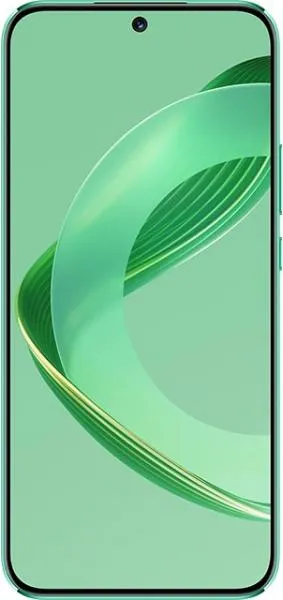
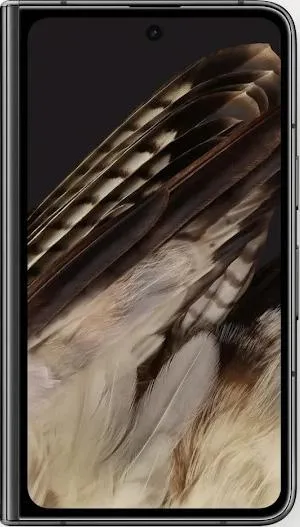
1. Specifications Comparison
| Feature | Huawei nova 11 | Google Pixel Fold | Practical Impact |
|---|---|---|---|
| Design | |||
| Dimensions (mm) | 161.3 x 75 x 6.9 | 139.7 x 158.7 x 5.8 (Folded) 139.7 x 79.5 x 12.1 (Unfolded) | Pixel Fold significantly wider when unfolded due to foldable design; Nova 11 thinner and lighter for one-handed use. |
| Weight (g) | 168 | 283 | Nova 11 much lighter for comfortable daily use; Pixel Fold's weight reflects its robust build and larger, foldable display. |
| Foldable | No | Yes | Pixel Fold offers a larger tablet-like screen when unfolded, enhancing media consumption and multitasking; Nova 11 prioritizes portability. |
| Display | |||
| Display Type | OLED, 120Hz | Foldable OLED, 120Hz | Both offer smooth scrolling and animations. Pixel Fold's foldable display provides a unique, larger screen experience but with a potential crease. |
| Display Size (inches) | 6.7 | 5.8 (Outer), 7.6 (Inner) | Nova 11 offers a large, standard smartphone screen; Pixel Fold provides a smaller outer screen for quick tasks and a larger inner screen for immersive experiences. |
| Resolution | 1084 x 2412 | 1080 x 2092 (Outer), 1840 x 2208 (Inner) | Both offer sharp displays. Pixel Fold's inner display boasts higher resolution for its larger size, maintaining clarity. |
| Peak Brightness (nits) | 950 | 1450 | Pixel Fold's significantly higher peak brightness ensures better visibility in direct sunlight. |
| Performance | |||
| Chipset | Snapdragon 778G 4G (6nm) | Google Tensor G2 (5nm) | Tensor G2 generally offers superior performance and AI capabilities; Snapdragon 778G is a capable mid-range chip but lacks 5G. |
| CPU | Octa-core (4x2.4 GHz & 4x1.8 GHz) | Octa-core (2x2.85 GHz & 2x2.35 GHz & 4x1.80 GHz) | Tensor G2's more powerful cores provide better performance for demanding tasks and multitasking. |
| RAM | 8GB | 12GB | Pixel Fold's larger RAM enables smoother multitasking and better handling of demanding applications. |
| OS | Missing Information | Android 13 | OS details for Huawei Nova 11 are missing, making a comparison impossible. |
| Camera | |||
| Rear Cameras | 50MP Main + 8MP Wide & Macro | 48MP Main + 10.8MP Wide + 10.8MP Telephoto | Pixel Fold's triple camera system offers greater versatility with a dedicated telephoto lens for optical zoom; Nova 11 has a dual camera setup. |
| Front Camera | 60MP | 8MP (Outer), 9.5MP (Inner) | Nova 11 boasts a higher resolution selfie camera; Pixel Fold offers two selfie cameras for convenience when folded or unfolded. |
| Video Recording | 720p@960fps | 4K@60fps | Pixel Fold supports significantly higher resolution video recording with HDR. |
| DXOMARK Score | Missing Information | 133 | Pixel Fold's high DXOMARK score indicates excellent overall camera quality. No data available for Nova 11. |
| Battery | |||
| Capacity | 4500 mAh | 4821 mAh | Pixel Fold offers a slightly larger battery capacity, but real-world battery life depends on usage patterns and software optimization. |
| Other | |||
| Price Range | Medium | High | Pixel Fold is significantly more expensive due to its foldable technology and flagship features. |
| Connectivity | 4G | 5G | Pixel Fold supports faster 5G cellular networks for improved download and upload speeds. Nova 11 is limited to 4G. |
2. Key Differences Analysis
Huawei nova 11 Advantages:
- Lighter and more portable: Significantly lighter and thinner, making it ideal for one-handed use and pocket portability.
- Higher resolution front camera: Offers a much higher resolution selfie camera for detailed self-portraits.
- Lower price: More affordable than the Pixel Fold.
Google Pixel Fold Advantages:
- Foldable display: Offers a larger, tablet-like experience for enhanced media consumption and multitasking.
- Superior performance: The Tensor G2 chip provides significantly faster processing and advanced AI capabilities.
- More versatile camera system: Triple camera system with a telephoto lens offers optical zoom and a wider range of shooting options.
- 5G connectivity: Supports faster cellular data speeds.
- Larger RAM: 12GB RAM enables smoother multitasking and better handles demanding applications.
Trade-offs:
- Price vs. Features: Pixel Fold's advanced features come at a significantly higher price. Nova 11 offers good value for its price but compromises on performance and camera versatility.
- Portability vs. Screen Size: Nova 11 prioritizes portability with a slim and lightweight design, while Pixel Fold sacrifices portability for a larger, foldable screen.
3. User Profiles & Recommendations
Huawei nova 11:
- Ideal User: Budget-conscious users who prioritize a lightweight and portable phone with a good selfie camera for social media.
- Use Cases: Everyday communication, social media browsing, casual photography, light gaming.
Google Pixel Fold:
- Ideal User: Tech enthusiasts and power users who value cutting-edge technology, a large foldable screen for productivity and media consumption, and top-tier performance.
- Use Cases: Demanding multitasking, immersive media consumption, mobile gaming, professional photography and videography.
4. Decision Framework
Key Questions for Buyers:
- Budget: How much are you willing to spend on a smartphone?
- Priority Features: What features are most important to you (e.g., portability, camera quality, performance, screen size)?
- Usage Pattern: How will you primarily use your phone (e.g., social media, gaming, productivity)?
Scenario-Based Recommendations:
- Limited Budget, Prioritize Portability: Huawei nova 11
- Demand Performance and Cutting-Edge Technology: Google Pixel Fold
- Value Large Screen for Productivity and Entertainment: Google Pixel Fold
My Choice: Google Pixel Fold
While significantly more expensive, the Google Pixel Fold offers a compelling combination of innovative technology, powerful performance, and a versatile camera system. The foldable display provides a unique user experience that enhances both productivity and media consumption. While I appreciate the Nova 11's portability and lower price, the Pixel Fold's superior features, including 5G connectivity, the Tensor G2 chip, larger RAM, and more versatile camera, better align with my needs as a power user who values performance and cutting-edge technology. The lack of crucial information about the Nova 11's OS further solidifies my choice.
