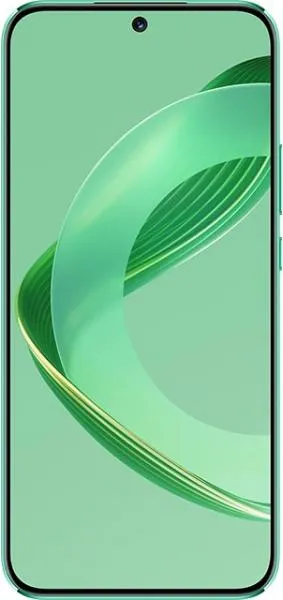
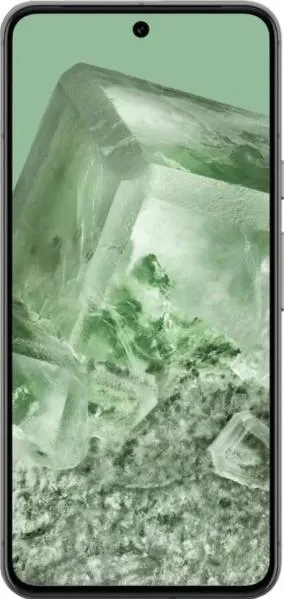
1. Specifications Comparison
| Feature | Huawei nova 11 | Google Pixel 8 | Practical Impact |
|---|---|---|---|
| Design | |||
| Dimensions (mm) | 161.3 x 75 x 6.9 | 150.5 x 70.8 x 8.9 | Pixel 8 is noticeably smaller and slightly thicker. Nova 11 is lighter and might feel more comfortable for one-handed use. |
| Weight (g) | 168 | 187 | |
| Display | |||
| Size (inches) | 6.7 | 6.2 | Nova 11 offers a larger screen for more immersive media consumption. |
| Resolution (px) | 1084 x 2412 | 1080 x 2400 | Virtually identical sharpness due to Pixel 8's smaller screen size resulting in higher pixel density (428 ppi vs 391 ppi). |
| Type | OLED | OLED | Both offer vibrant colors and deep blacks. |
| Refresh Rate (Hz) | 120 | 120 | Both offer smooth scrolling and animations. |
| Peak Brightness (nits) | 950 | 2000 | Pixel 8's significantly higher peak brightness ensures better visibility in direct sunlight. |
| Performance | |||
| Chipset | Snapdragon 778G 4G (6 nm) | Google Tensor G3 (4 nm) | Tensor G3 is a more powerful and efficient chip, likely resulting in better performance and battery life for demanding tasks and AI features. |
| CPU | Octa-core (4x2.4 GHz Kryo 670 & 4x1.8 GHz Kryo 670) | Nona-core (1x3.0 GHz Cortex-X3 & 4x2.45 GHz Cortex-A715 & 4x2.15 GHz Cortex-A510) | Tensor G3's more modern architecture and higher clock speeds offer a performance advantage. |
| GPU | Adreno 642L | Immortalis-G715s MC10 | Pixel 8 will likely have a significant advantage in gaming and graphics-intensive applications. |
| RAM (GB) | 8 | 8 | Equivalent RAM capacity. |
| OS | Unknown | Android 14 | Pixel offers a pure Android experience with guaranteed updates. Lack of OS information for Nova 11 makes comparison difficult. |
| Camera | |||
| Rear Camera (MP) | 50 + 8 | 50 + 12 | Pixel 8's secondary lens offers a higher resolution, potentially capturing more detail in ultrawide shots. |
| Selfie Camera (MP) | 60 | 10.8 | Nova 11 boasts a higher resolution selfie camera, but image quality depends on more than just megapixels. Pixel's computational photography prowess could outperform despite lower resolution. |
| Video | 720p@960fps | Up to 4K@60fps | Pixel 8 offers significantly better video recording capabilities with higher resolution and frame rates. |
| Battery | |||
| Capacity (mAh) | 4500 | 4575 | Negligible difference in battery capacity. Real-world battery life will depend on optimization and usage. |
| Charging Speed | Not specified | Not specified | Unable to compare charging speeds without more information. |
2. Key Differences Analysis
Huawei nova 11 Advantages:
- Larger Display: Provides a more immersive experience for media consumption.
- Lighter Weight: May be more comfortable for extended use and one-handed operation.
- Higher Resolution Selfie Camera: Potentially captures more detail in selfies (though image quality depends on various factors).
- Lower Price: Generally more affordable than the Pixel 8.
Google Pixel 8 Advantages:
- Significantly More Powerful: The Tensor G3 chip offers superior performance for demanding tasks, gaming, and AI features.
- Better Camera System: While megapixel count isn't everything, the Pixel 8 benefits from Google's advanced image processing algorithms and features like optical stabilization. Superior video recording capabilities.
- Guaranteed Software Updates: Ensures the latest features, security patches, and longer software support.
- 5G Connectivity: Offers faster data speeds and improved network performance in areas with 5G coverage. Nova 11 is limited to 4G.
- Brighter Display: Much better outdoor visibility.
Trade-offs:
- Nova 11: Larger display and lighter weight come at the cost of processing power, camera features, and software updates. Lack of 5G is a major drawback.
- Pixel 8: Smaller display and higher price for superior performance, camera capabilities, and software support.
3. User Profiles & Recommendations
Huawei nova 11: Budget-conscious users prioritizing a large display for media consumption, social media, and casual gaming. Users in areas without 5G coverage.
Google Pixel 8: Users prioritizing performance, camera quality, a clean Android experience, and timely software updates. Power users, mobile photographers/videographers, and those seeking the latest mobile technology.
4. Decision Framework
Key Questions:
- What is your budget? The Nova 11 is significantly more affordable.
- What are your primary use cases? Media consumption vs demanding tasks/gaming/photography.
- How important are software updates and long-term support? Pixel 8 excels in this area.
Scenario-Based Recommendations:
- Limited Budget, Primarily Media Consumption: Huawei nova 11
- Power User, Photographer/Videographer: Google Pixel 8
- Balanced Needs, Value for Money: Consider mid-range alternatives with 5G. The lack of 5G in the Nova 11 makes it a difficult recommendation in 2024.
My Choice: Google Pixel 8
While the Huawei nova 11 offers a larger display and lower price, the Pixel 8's significant advantages in performance, camera technology, software support, and 5G connectivity make it the clear winner for me. The Tensor G3 chip ensures a smooth user experience, and Google's commitment to software updates provides long-term value. The lack of 5G in the Nova 11 is a significant drawback in today's market. I prioritize performance and future-proofing, making the Pixel 8 the better long-term investment. The superior camera system and guaranteed software updates solidify my decision.
