
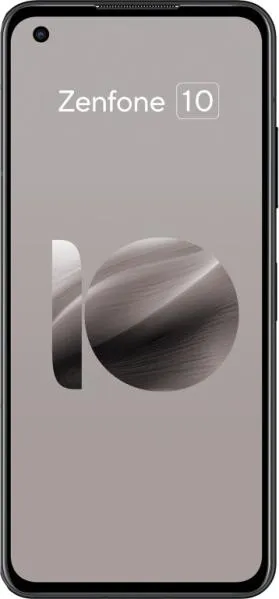
1. Specifications Comparison
| Feature | Huawei nova 11 | Asus Zenfone 10 | Practical Impact |
|---|---|---|---|
| Design | |||
| Dimensions (mm) | 161.3 x 75 x 6.9 | 146.5 x 68.1 x 9.4 | Zenfone 10 is significantly smaller and slightly thicker, making it more pocketable and potentially easier to handle one-handed, but potentially less immersive. |
| Weight (g) | 168 | 172 | Negligible weight difference; both are lightweight. |
| Display | |||
| Size (inches) | 6.7 | 5.92 | Nova 11 offers a larger display for more immersive content consumption; Zenfone 10 prioritizes one-handed usability. |
| Resolution (px) | 1084 x 2412 | 1080 x 2400 | Similar pixel density due to Zenfone 10's smaller size; both offer sharp visuals. |
| Refresh Rate (Hz) | 120 | 144 | Zenfone 10's higher refresh rate results in smoother animations and scrolling, especially noticeable in gaming and fast-paced content. |
| Display Type | OLED | AMOLED | Both offer excellent color reproduction and deep blacks. Zenfone 10's HDR10+ support might provide slightly better dynamic range in compatible content. |
| Peak Brightness (nits) | 950 (implied) | 1100 | Zenfone 10's higher peak brightness ensures better visibility in direct sunlight. |
| Performance | |||
| Chipset | SD 778G 4G | SD 8 Gen 2 | Zenfone 10 boasts a significantly more powerful processor, resulting in much faster performance in demanding tasks, multitasking, and gaming. |
| CPU | Octa-core | Octa-core | While both are octa-core, the architecture and clock speeds of the 8 Gen 2 provide a substantial performance advantage for the Zenfone 10. |
| GPU | Adreno 642L | Adreno 740 | Zenfone 10's GPU provides significantly better graphics performance for gaming and visually intensive applications. |
| RAM (GB) | 8 | 8/16 | Zenfone 10 offers a 16GB RAM option, enabling better multitasking and smoother performance with memory-intensive applications. |
| Camera | |||
| Main Camera (MP) | 50 | 50 | Similar resolution; however, Zenfone 10 uses a larger Sony IMX766 sensor with OIS and Gimbal stabilization, potentially delivering superior image quality. |
| Video Recording | 720p@960fps | 8K@24fps | Zenfone 10 offers vastly superior video recording capabilities with higher resolution and frame rate options along with advanced stabilization. |
| Battery | |||
| Capacity (mAh) | 4500 | 4300 | Nova 11 has a slightly larger battery capacity, but real-world battery life will depend on usage patterns and software optimization. |
2. Key Differences Analysis
Huawei nova 11 Advantages:
- Larger Display: Provides a more immersive experience for media consumption.
- Potentially Longer Battery Life: Slightly larger battery capacity might translate to longer usage time.
- Lower Price: Generally more affordable than the Zenfone 10.
Asus Zenfone 10 Advantages:
- Significantly Faster Performance: Snapdragon 8 Gen 2 offers a substantial performance advantage for demanding tasks and gaming.
- Smoother Display: 144Hz refresh rate ensures a more fluid user experience.
- Superior Camera System: Larger sensor, OIS, and Gimbal stabilization potentially deliver better image quality and video recording capabilities.
- Compact Form Factor: Easier to handle and carry in pockets.
- Brighter Display: Better outdoor visibility.
Trade-offs:
- Zenfone 10: Smaller display size might be less appealing for media consumption. Higher price point.
- Nova 11: Significantly lower performance, less capable camera, lack of 5G connectivity.
3. User Profiles & Recommendations
Huawei nova 11:
- Ideal User: Budget-conscious users who prioritize a large display for media consumption, casual gaming, and everyday tasks. Not recommended for heavy multitaskers or mobile gamers.
- Use Cases: Social media browsing, video streaming, web browsing, casual photography.
Asus Zenfone 10:
- Ideal User: Users who demand top-tier performance, a smooth display, a compact form factor, and a capable camera system. Power users, mobile gamers, and photography enthusiasts.
- Use Cases: Demanding mobile gaming, professional photography and videography, heavy multitasking, content creation.
4. Decision Framework
Key Questions for Buyers:
- What is your budget? The Nova 11 is significantly more affordable.
- What is your primary use case? Gaming and demanding tasks? Zenfone 10. Media consumption on a larger screen? Nova 11.
- Do you value portability and one-handed use? The Zenfone 10 is significantly smaller.
Scenario-Based Recommendations:
- Tight Budget, Casual User: Huawei nova 11
- Power User, Mobile Gamer: Asus Zenfone 10
- Photographer/Videographer, Compact Phone Enthusiast: Asus Zenfone 10
My Choice: Asus Zenfone 10
While the Huawei nova 11 offers a larger display and potentially longer battery life at a lower price, the Asus Zenfone 10's superior performance, smoother display, advanced camera system, and compact design make it the clear winner for me. I prioritize performance, a fluid user experience, and a pocketable device. The Snapdragon 8 Gen 2, 144Hz display, and significant camera upgrades offer tangible benefits in daily use. While the smaller display might be a compromise for some, the overall package offered by the Zenfone 10 aligns better with my needs and preferences. The lack of 5G in the Nova 11 is also a significant drawback in today's environment.
