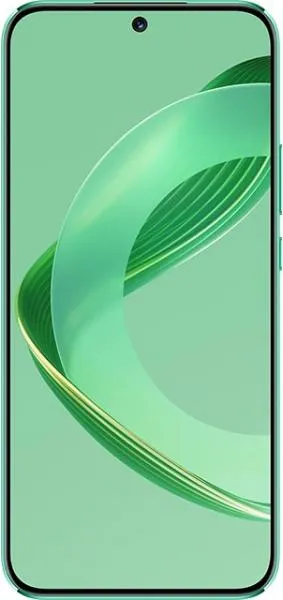
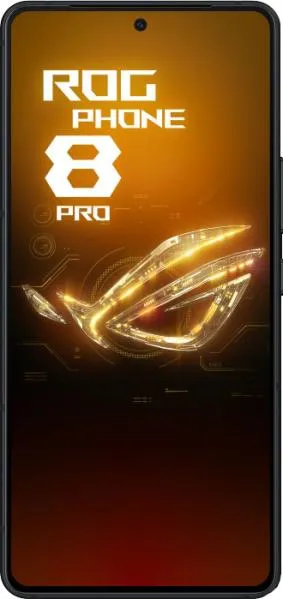
1. Specifications Comparison
| Feature | Huawei nova 11 | Asus ROG Phone 8 Pro | Practical Impact |
|---|---|---|---|
| Design | |||
| Dimensions (mm) | 161.3 x 75 x 6.9 | 163.8 x 76.8 x 8.9 | ROG Phone 8 Pro is larger and noticeably thicker. Nova 11 is more pocketable. |
| Weight (g) | 168 | 225 | Significant weight difference; Nova 11 is much lighter for daily use. ROG Phone 8 Pro may feel bulky. |
| Build | Missing | Missing | Build quality and materials cannot be compared without further information. |
| Display | |||
| Display Type | OLED, 120Hz | LTPO AMOLED, 165Hz | Both offer vivid colors and deep blacks. ROG Phone 8 Pro's LTPO panel enables variable refresh rate for power saving and its higher refresh rate provides smoother animations and scrolling. |
| Size (inches) | 6.7 | 6.78 | Negligible size difference in real-world usage. |
| Resolution | 1084 x 2412 | 1080 x 2400 | Virtually identical sharpness. |
| Peak Brightness | 950 nits | 2500 nits | ROG Phone 8 Pro offers significantly higher peak brightness for better outdoor visibility. |
| Performance | |||
| Chipset | Snapdragon 778G 4G | Snapdragon 8 Gen 3 | ROG Phone 8 Pro boasts a significantly more powerful processor, resulting in much faster performance for demanding tasks and gaming. |
| CPU | Octa-core (4x2.4 GHz & 4x1.8 GHz) | Octa-core (1x3.3 GHz & 3x3.2 GHz & 2x3.0 GHz & 2x2.3 GHz) | ROG Phone 8 Pro's CPU architecture and clock speeds indicate a substantial performance advantage. |
| GPU | Adreno 642L | Adreno 750 | ROG Phone 8 Pro has a more powerful GPU, leading to superior gaming and graphics performance. |
| RAM | 8GB | 16/24GB | ROG Phone 8 Pro offers significantly more RAM, enabling smoother multitasking and handling of demanding applications. |
| OS | Missing | Android 14 | No comparison possible without Nova 11's OS information. However, ROG Phone 8 Pro benefits from the latest Android features and security updates. |
| Camera | |||
| Main Camera | 50MP, f/1.9 | 50MP, f/1.9, Sony IMX890 | Both have the same resolution but ROG Phone 8 Pro utilizes a larger, more advanced sensor (Sony IMX890), likely resulting in better image quality. |
| Ultrawide | 8MP, f/2.2 | 13MP, f/2.2 | ROG Phone 8 Pro offers a higher resolution ultrawide camera. |
| Telephoto | None | 32MP, f/2.4 | ROG Phone 8 Pro features a dedicated telephoto lens for optical zoom, absent in the Nova 11. |
| Video | 720p@960fps | 8K@24fps, 4K@60fps | ROG Phone 8 Pro offers significantly better video recording capabilities with higher resolution and frame rate options. |
| Battery | |||
| Capacity | 4500 mAh | 5500 mAh | ROG Phone 8 Pro has a larger battery capacity, potentially leading to longer battery life. |
2. Key Differences Analysis
Huawei nova 11 Advantages:
- Lighter and More Compact: Significantly easier to carry and handle for extended periods.
- Potentially More Affordable: While specific pricing isn't directly comparable, Nova 11 generally falls in a more accessible price bracket.
Asus ROG Phone 8 Pro Advantages:
- Significantly More Powerful: Superior CPU, GPU, and RAM for demanding tasks and gaming.
- Better Display: Higher refresh rate (165Hz) and peak brightness for smoother visuals and outdoor visibility.
- More Versatile Camera System: Dedicated telephoto lens and higher resolution ultrawide sensor.
- Larger Battery: Potentially longer battery life.
- More Advanced Connectivity: Supports 5G, WiFi 7 and Bluetooth 5.3.
3. User Profiles & Recommendations
Huawei nova 11:
- Ideal User: Budget-conscious users prioritizing portability and style for everyday tasks like social media, browsing, and casual photography.
- Use Cases: Everyday use, social media, web browsing, light gaming.
Asus ROG Phone 8 Pro:
- Ideal User: Gamers, power users, and content creators who demand top-tier performance, a high-quality display, and advanced camera features.
- Use Cases: Demanding mobile gaming, video editing, content creation, multitasking.
4. Decision Framework
Key Questions for Buyers:
- What is your budget? The ROG Phone 8 Pro is significantly more expensive.
- What are your primary use cases? Casual use vs. demanding gaming/content creation.
- Do you prioritize portability and lightweight design? The Nova 11 excels in this area.
Scenario-Based Recommendations:
- Limited Budget, Casual Use: Huawei nova 11.
- Demanding Gamer/Power User: Asus ROG Phone 8 Pro.
- Balance of Performance and Portability: Consider other options not listed here, as these phones represent opposite ends of the spectrum.
My Choice: Asus ROG Phone 8 Pro
While the Huawei nova 11 offers a compelling combination of portability and affordability, the Asus ROG Phone 8 Pro is the clear winner for me. I prioritize performance, a smooth display, and a versatile camera system. The ROG Phone 8 Pro's Snapdragon 8 Gen 3, coupled with ample RAM, ensures a future-proof device capable of handling any task I throw at it. The 165Hz LTPO display is a major draw, promising a buttery smooth user experience. Additionally, the inclusion of a telephoto lens and a high-resolution ultrawide camera significantly enhances photographic capabilities. While the size and weight are trade-offs, the overall performance and feature set of the ROG Phone 8 Pro make it the superior choice for my needs. The significant price difference is justified by the substantial leap in capabilities.
