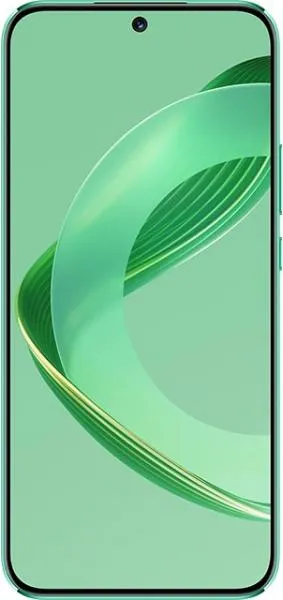
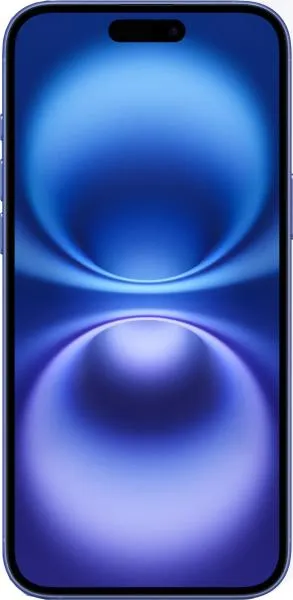
1. Specifications Comparison
| Feature | Huawei nova 11 | Apple iPhone 16 Plus | Practical Impact |
|---|---|---|---|
| Design | |||
| Dimensions (mm) | 161.3 x 75 x 6.9 | 160.9 x 77.8 x 7.8 | iPhone 16 Plus is slightly wider and thicker, but marginally shorter. Nova 11 is significantly thinner. |
| Weight (g) | 168 | 199 | Nova 11 is noticeably lighter, improving one-handed use and portability. |
| Build Materials | Not specified | Not specified | Cannot compare build quality and durability without material information. |
| Display | |||
| Display Type | OLED | Super Retina XDR OLED | Both are high-quality OLED displays, offering vibrant colors and deep blacks. Super Retina XDR branding suggests potential enhancements in color accuracy and brightness on the iPhone. |
| Display Size (inches) | 6.7 | 6.7 | Identical screen sizes provide similar media consumption experiences. |
| Resolution | 1084 x 2412 | 1290 x 2796 | iPhone 16 Plus has a significantly sharper display due to higher resolution, resulting in crisper text and images. |
| PPI Density | 391 | 460 | Higher pixel density on the iPhone translates to a noticeably sharper image, especially for text and fine details. |
| Refresh Rate | 120Hz | Not specified | 120Hz on the Nova 11 provides smoother scrolling and animations compared to a standard 60Hz display (assuming iPhone 16 Plus is not higher). A higher refresh rate significantly impacts the perceived responsiveness of the UI. |
| Peak Brightness | 950 nits | 2000 nits (HBM) | The iPhone 16 Plus boasts much higher peak brightness, ensuring better visibility in direct sunlight. |
| Performance | |||
| Chipset | Snapdragon 778G 4G (6 nm) | Apple A18 (3 nm) | A18 is expected to significantly outperform the Snapdragon 778G in terms of processing power and graphics performance due to Apple's chip design prowess and more advanced manufacturing process. This translates to faster app loading, smoother multitasking, and better gaming performance. |
| CPU | Octa-core (4x2.4 GHz + 4x1.8 GHz) | Hexa-core (2x4.04 GHz + 4x2.20 GHz) | While clock speeds aren't directly comparable across architectures, the A18's architecture and manufacturing process advantage likely translates to superior real-world performance. |
| GPU | Adreno 642L | Apple GPU (5-core) | Apple's custom GPUs are generally known for their strong performance. Expect the iPhone to handle graphically demanding tasks and games more effectively. |
| RAM | 8GB | 8GB | Similar RAM capacity. Real-world multitasking performance will depend more on OS optimization than RAM alone. |
| OS | Not specified | iOS 18 | iOS is known for its smooth performance and timely updates. Lack of OS information for the Nova 11 hinders comparison. |
| Camera | |||
| Main Camera | 50MP | 48MP | Megapixel count isn't everything. iPhone's larger sensor size (1/1.3" vs unspecified for Nova) likely results in better low-light performance and dynamic range. |
| Ultrawide | 8MP | 12MP | iPhone offers a higher resolution ultrawide with a potentially wider field of view. |
| Selfie | 60MP | 12MP | Nova 11 has a higher megapixel selfie camera, but sensor details (size, pixel size) are crucial for image quality assessment. |
| Video | 720p@960fps | Up to 4K@60fps with HDR | iPhone offers significantly better video recording capabilities with higher resolution, frame rates, and HDR support. |
| Battery | |||
| Capacity | 4500 mAh | 4674 mAh | iPhone 16 Plus has a slightly larger battery capacity, potentially leading to longer battery life. However, real-world usage will depend heavily on software optimization. |
2. Key Differences Analysis
Huawei nova 11 Advantages:
- Lighter and Thinner: Significantly more portable and comfortable for one-handed use.
- Higher Refresh Rate Display: Smoother scrolling and animations.
Apple iPhone 16 Plus Advantages:
- Significantly More Powerful: The A18 chip provides a substantial performance advantage for demanding tasks and gaming.
- Sharper Display: Higher resolution and pixel density lead to a noticeably crisper viewing experience.
- Brighter Display: Much better outdoor visibility.
- Superior Camera System: Larger sensor on the main camera, higher resolution ultrawide, and advanced video recording capabilities.
- Longer Software Support: Apple is known for providing long-term software updates.
- 5G Connectivity: Offers faster mobile data speeds compared to the Nova 11's 4G.
3. User Profiles & Recommendations
Huawei nova 11: Budget-conscious users prioritizing a lightweight and stylish design with a smooth display. Suitable for everyday tasks, social media, and casual gaming.
Apple iPhone 16 Plus: Users prioritizing performance, camera quality, a premium ecosystem, long-term software updates and 5G connectivity. Ideal for power users, gamers, content creators, and those seeking a flagship experience.
4. Decision Framework
Key Questions for Buyers:
- What is your budget? The iPhone 16 Plus is significantly more expensive.
- What are your performance needs? For demanding tasks and gaming, the iPhone 16 Plus is far superior.
- How important is camera quality? The iPhone 16 Plus boasts a more capable camera system.
My Choice: Apple iPhone 16 Plus
While the Huawei Nova 11 offers a lighter and more affordable option, the iPhone 16 Plus's superior performance, display, camera, and long-term software support make it the clear winner for me. The A18 chip's significant performance advantage ensures a future-proof device capable of handling demanding tasks for years to come. The brighter and sharper display enhances the viewing experience, and the advanced camera system captures stunning photos and videos. Although the price premium is substantial, the overall value proposition of the iPhone 16 Plus is compelling for my needs. The lack of 5G in the Nova 11 is also a significant drawback in a world rapidly adopting the faster network standard.
