1. Specifications Comparison
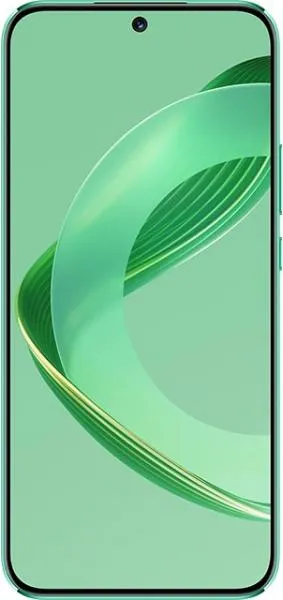
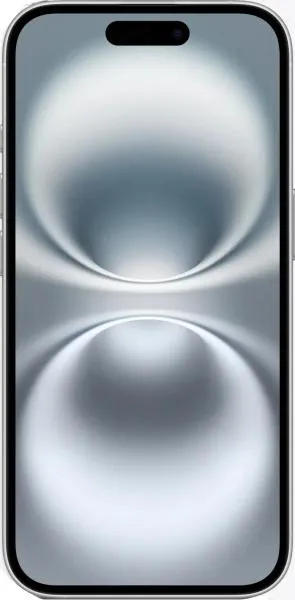
| Feature | Huawei nova 11 | Apple iPhone 16 | Practical Impact |
|---|---|---|---|
| Design | |||
| Dimensions (mm) | 161.3 x 75 x 6.9 | 147.6 x 71.6 x 7.8 | iPhone 16 is noticeably smaller and slightly thicker, making it potentially more pocketable but less sleek. |
| Weight (g) | 168 | 170 | Negligible weight difference; both phones are lightweight. |
| Build Material | Not specified | Not specified | Cannot compare build quality and durability without material information. |
| Display | |||
| Size (inches) | 6.7 | 6.1 | Nova 11 offers a significantly larger screen for more immersive media consumption and multitasking. |
| Resolution | 1084 x 2412 | 1179 x 2556 | iPhone 16 boasts a sharper display with higher pixel density (460 ppi vs 391 ppi), resulting in crisper text and images. |
| Display Type | OLED, 120Hz | OLED | Both are OLED displays with vibrant colors and deep blacks. Nova 11's 120Hz refresh rate provides smoother animations and scrolling compared to iPhone 16's unspecified refresh rate. |
| Peak Brightness | 950 nits | 2000 nits | iPhone 16's significantly higher peak brightness ensures better visibility in direct sunlight. |
| Performance | |||
| Chipset | Snapdragon 778G 4G (6 nm) | Apple A18 (3 nm) | A18 is expected to significantly outperform the Snapdragon 778G in speed and efficiency due to Apple's chip design prowess and more advanced manufacturing process. |
| CPU | Octa-core (4x2.4 GHz + 4x1.8 GHz) | Hexa-core (2x4.04 GHz + 4x2.20 GHz) | A18's higher clock speeds suggest superior performance, but real-world performance depends on core architecture and optimization. |
| GPU | Adreno 642L | Apple GPU (5-core) | Apple's custom GPUs are generally highly performant; expect iPhone 16 to have a significant edge in graphics-intensive tasks. |
| RAM | 8GB | 8GB | Same RAM capacity; multitasking performance will likely depend more on OS and software optimization. |
| OS | Not specified | iOS 18 | iOS is known for its smooth performance and timely updates. Lack of OS information for Nova 11 hinders comparison. |
| Camera | |||
| Main Camera | 50MP, f/1.9 | 48MP, f/1.6 | iPhone 16's wider aperture (f/1.6) allows for better low-light performance and depth of field control. Sensor size information missing for both phones limits detailed comparison. |
| Ultrawide | 8MP, f/2.2 | 12MP, f/2.2 | iPhone 16 offers a higher resolution ultrawide camera. |
| Selfie | 60MP, f/2.4 | 12MP, f/1.9 | Nova 11 has a higher megapixel count for selfies, but iPhone's wider aperture might offer better low-light performance. Practical image quality depends on factors beyond resolution. |
| Video | 720p@960fps | Up to 4K@60fps with HDR | iPhone 16 offers superior video recording capabilities with higher resolution and HDR support. |
| Battery | |||
| Capacity | 4500 mAh | 3561 mAh | Nova 11 has a larger battery capacity, potentially offering longer battery life. Real-world usage will depend on software and hardware efficiency. |
2. Key Differences Analysis
Huawei nova 11 Advantages:
- Larger Display: More immersive media experience.
- Higher Refresh Rate Display: Smoother scrolling and animations.
- Larger Battery: Potential for longer battery life.
- Potentially Lower Price: Placed in the "medium price" range, could be more affordable than the iPhone 16.
Apple iPhone 16 Advantages:
- Significantly Faster Performance: A18 chip expected to outperform Snapdragon 778G considerably.
- Sharper Display: Higher resolution and pixel density.
- Brighter Display: Superior outdoor visibility.
- Better Camera System: Wider apertures, advanced features like Dolby Vision recording, and generally better image processing expected from Apple.
- Superior Software and Ecosystem: iOS is known for its smooth performance, long-term software support, and app ecosystem.
Trade-offs:
- Nova 11's larger display and battery come at the cost of a larger phone size.
- iPhone 16's superior performance and camera capabilities likely come at a higher price.
3. User Profiles & Recommendations
Huawei nova 11: Users who prioritize a large display for media consumption, value a smooth display experience, and need long battery life. Budget-conscious buyers might find it attractive. Suitable for social media enthusiasts, casual gamers, and content consumers.
Apple iPhone 16: Users prioritizing performance, a premium camera system, seamless software experience, and access to the Apple ecosystem. Ideal for power users, mobile gamers, photographers/videographers, and those heavily invested in the Apple ecosystem.
4. Decision Framework
Key Questions:
- What is your budget? The iPhone 16 is expected to be more expensive.
- What are your primary smartphone usage patterns? (e.g., gaming, photography, social media, productivity)
- Which operating system do you prefer? iOS or Android (assuming Nova 11 runs on Android, given the chipset).
Scenario-based Recommendations:
- Budget-conscious user primarily using social media and streaming: Huawei nova 11.
- Power user needing top-tier performance and a great camera: iPhone 16.
- User heavily invested in the Apple ecosystem: iPhone 16.
My Choice: Apple iPhone 16
While the Huawei Nova 11 offers a larger display and battery, the iPhone 16's significant advantages in performance, camera quality, software experience, and expected long-term support make it the more compelling choice for me. I prioritize a smooth and powerful user experience, and the A18 chip, coupled with iOS, is expected to deliver that consistently. The brighter, sharper display and superior camera system further solidify the iPhone 16 as the preferred option, even at a likely higher price point. I value consistent performance and a reliable ecosystem, which are strengths of Apple devices. The lack of specific OS details for the Nova 11 also makes it difficult to fully assess its capabilities.
