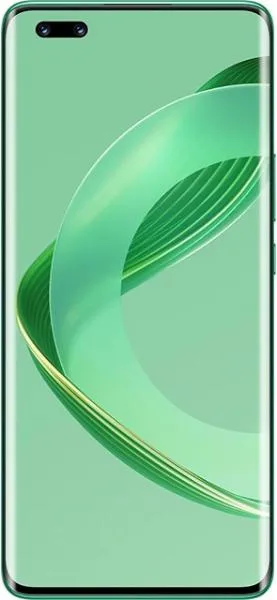

1. Specifications Comparison
| Feature | Huawei nova 11 Pro | ZTE nubia Z60 Ultra | Practical Impact |
|---|---|---|---|
| Design | |||
| Dimensions (mm) | 164.3 x 74.4 x 7.9 | 164 x 76.4 x 8.8 | Z60 Ultra slightly wider and thicker. Nova 11 Pro thinner and lighter. |
| Weight (g) | 188 | 246 | Noticeable weight difference; Nova 11 Pro significantly lighter for one-handed use. |
| Build | Not specified | Not specified | Build quality impact on durability unknown without further information. |
| Display | |||
| Size (inches) | 6.78 | 6.8 | Negligible size difference. |
| Resolution | 1200 x 2652 | 1116 x 2480 | Nova 11 Pro has a slightly sharper display due to higher pixel density. |
| Type | OLED, 120Hz | AMOLED, 120Hz | Both offer smooth scrolling and vibrant colors. AMOLED generally consumes less power. |
| Peak Brightness | 950 nits | 1500 nits | Z60 Ultra significantly brighter for better outdoor visibility. |
| Performance | |||
| Chipset | Snapdragon 778G 4G (6nm) | Snapdragon 8 Gen 3 (4nm) | Z60 Ultra significantly more powerful for demanding tasks and gaming due to newer generation flagship chip. |
| CPU | Octa-core (4x2.4 GHz & 4x1.8 GHz) | Octa-core (1x3.3 GHz & 3x3.2 GHz & 2x3.0 GHz & 2x2.3 GHz) | Z60 Ultra has a much faster and more efficient CPU. |
| GPU | Adreno 642L | Adreno 750 | Z60 Ultra offers significantly better graphics performance. |
| RAM | 6GB/8GB/12GB | 8GB/12GB/16GB/24GB | Z60 Ultra offers higher RAM options for better multitasking. |
| Camera | |||
| Rear Camera | 50MP Main + 8MP Wide | 54MP Main + 50MP Wide + 64MP Telephoto | Z60 Ultra has a triple camera system with a dedicated telephoto lens for optical zoom, offering more versatile photography options. |
| Front Camera | 60MP + 8MP | 12MP | Nova 11 Pro boasts a higher resolution selfie camera, but megapixels don't always equate to quality. |
| Video | 720p @ 960fps | 8K @ 30fps | Z60 Ultra capable of significantly higher resolution video recording. |
| Battery | |||
| Capacity | 4500 mAh | 6000 mAh | Z60 Ultra has significantly larger battery capacity for longer usage time. |
2. Key Differences Analysis
Huawei nova 11 Pro Advantages:
- Lighter and Thinner: More comfortable for one-handed use and portability.
- Higher Resolution Display: Slightly sharper visuals.
- Higher Resolution Selfie Camera: Potentially better for detailed selfies (though image quality depends on more than just megapixels).
ZTE nubia Z60 Ultra Advantages:
- Significantly More Powerful: Superior performance for demanding tasks, gaming, and multitasking.
- Brighter Display: Better visibility in sunlight.
- Larger Battery Capacity: Longer battery life.
- More Versatile Camera System: Telephoto lens enables optical zoom and greater flexibility in photography.
- Higher Resolution Video Recording: Up to 8K video capture.
- Faster Charging and Data Transfer: USB 3.1 offers significant speed advantages over USB 2.0.
- Wi-Fi 7 and Bluetooth 5.4: Latest connectivity standards for faster speeds and improved reliability.
Trade-offs:
- The Z60 Ultra's superior performance and battery life come at the cost of increased weight and thickness.
- The Nova 11 Pro prioritizes a slim and light design, sacrificing performance and battery life.
3. User Profiles & Recommendations
Huawei nova 11 Pro: Users who prioritize a lightweight and stylish phone for everyday tasks, social media, and casual photography. Best for users who value portability and ease of use over raw power.
ZTE nubia Z60 Ultra: Power users, gamers, and photography enthusiasts who demand top-tier performance, a long-lasting battery, and a versatile camera system. Ideal for content creation, demanding applications, and heavy usage.
4. Decision Framework
Key Questions for Buyers:
- What is your budget and how important is price-to-performance ratio?
- What are your primary smartphone usage patterns (e.g., gaming, photography, social media)?
- Do you prioritize portability and design or raw power and features?
My Choice: ZTE nubia Z60 Ultra
While the Huawei Nova 11 Pro offers a sleek and lightweight design, the ZTE nubia Z60 Ultra is the clear winner for me. Its significantly superior performance, versatile camera system with a telephoto lens, much larger battery, and brighter display outweigh the extra weight. As someone who values performance and functionality, the Z60 Ultra's future-proof specifications and cutting-edge technology make it a more compelling choice. The faster charging and data transfer speeds of USB 3.1 are also major advantages in my daily workflow. While I appreciate the Nova 11 Pro's sleekness, the Z60 Ultra's advantages are more aligned with my needs as a power user.
