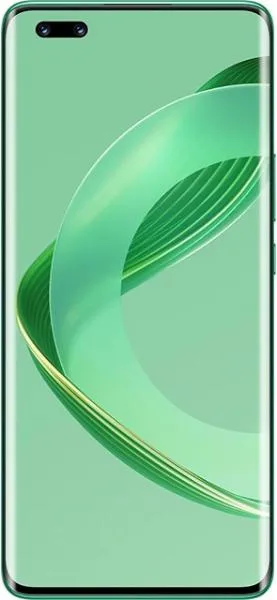

1. Specifications Comparison
| Feature | Huawei nova 11 Pro | ZTE nubia Z50S Pro | Practical Impact |
|---|---|---|---|
| Design | |||
| Dimensions (mm) | 164.3 x 74.4 x 7.9 | 163.9 x 76.3 x 8.3 | Z50S Pro slightly wider and thicker. Negligible difference in daily use. |
| Weight (g) | 188 | 228 | Noticeable weight difference; Z50S Pro feels significantly heavier. |
| Display | |||
| Display Type | OLED, 120Hz | AMOLED, 120Hz | Both offer smooth scrolling and vibrant colors. AMOLED might offer slightly deeper blacks. |
| Size (inches) | 6.78 | 6.8 | Negligible size difference. |
| Resolution | 1200 x 2652 | 1260 x 2800 | Z50S Pro slightly sharper, but difference hardly noticeable in everyday use. |
| Peak Brightness (nits) | 950 | 1500 | Z50S Pro significantly brighter, improving outdoor visibility. |
| Performance | |||
| Chipset | Snapdragon 778G 4G (6nm) | Snapdragon 8+ Gen 2 (4nm) | Z50S Pro significantly more powerful, enabling smoother multitasking, gaming, and demanding tasks. |
| CPU | Octa-core (4x2.4 GHz & 4x1.8 GHz) | Octa-core (1x3.36 GHz & 2x2.8 GHz & 2x2.8 GHz & 3x2.0 GHz) | Z50S Pro has a much faster and more efficient CPU. |
| GPU | Adreno 642L | Adreno 740 | Z50S Pro offers significantly better graphics performance for gaming. |
| RAM | 6GB/8GB/12GB | 12GB/16GB | Z50S Pro offers more RAM, enabling better multitasking and app performance. |
| Camera | |||
| Main Camera | 50MP, f/1.9 | 54MP, f/1.6, Sony IMX800, OIS | Z50S Pro boasts a larger sensor with OIS, likely producing better low-light photos and videos. |
| Ultrawide | 8MP, f/2.2 | 50MP, f/2.0 | Significant difference in ultrawide resolution; Z50S Pro offers much more detail. |
| Telephoto | None | 8MP, f/2.4 | Z50S Pro offers optical zoom capability, absent in the Nova 11 Pro. |
| Video | 720p@960fps | 8K@30fps | Z50S Pro offers much higher video resolution capabilities. |
| Battery | |||
| Capacity | 4500 mAh | 5100 mAh | Z50S Pro has a larger battery, potentially leading to longer battery life. |
| Charging Speed | Not specified | Not specified | Cannot compare charging speeds without specific data. |
2. Key Differences Analysis
Huawei nova 11 Pro Advantages:
- Lighter: Significantly lighter, making it more comfortable for extended use.
- Potentially More Affordable: Depending on specific market pricing, could be more budget-friendly.
ZTE nubia Z50S Pro Advantages:
- Significantly More Powerful: Offers vastly superior processing and graphics performance.
- Better Camera System: Larger sensor, OIS, higher resolution ultrawide, and a telephoto lens contribute to superior image and video quality.
- Larger Battery: Potentially longer battery life.
- Brighter Display: Improved outdoor readability.
3. User Profiles & Recommendations
Huawei nova 11 Pro:
- Ideal User: Casual users prioritizing lightweight design and affordability over top-tier performance.
- Use Cases: Social media browsing, light photography, everyday communication.
ZTE nubia Z50S Pro:
- Ideal User: Power users, gamers, photography enthusiasts demanding high performance and a versatile camera system.
- Use Cases: Demanding mobile gaming, professional photography/videography, heavy multitasking.
4. Decision Framework
Key Questions for Buyers:
- What is your budget? The Z50S Pro is likely more expensive.
- What level of performance do you need? For casual use, the Nova 11 Pro might suffice. For demanding tasks, the Z50S Pro is necessary.
- How important is camera quality? The Z50S Pro offers a significantly better camera system.
My Choice: ZTE nubia Z50S Pro
While the Huawei nova 11 Pro offers a lighter design, the Z50S Pro's superior performance, vastly improved camera system, brighter display, and larger battery make it the clear winner for me. I prioritize a smooth and powerful user experience, especially for tasks like gaming and photography, and the Z50S Pro delivers on those fronts. The added weight is a minor trade-off for the significant performance gains and camera improvements. The slightly higher price is justified by the overall superior package offered by the Z50S Pro.
