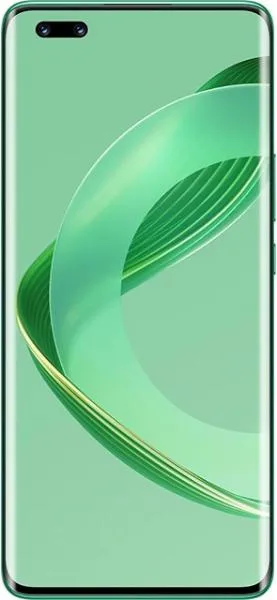
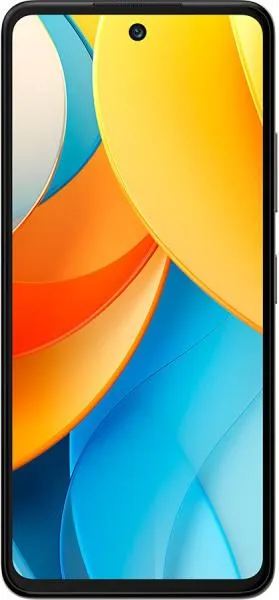
1. Specifications Comparison
| Feature | Huawei nova 11 Pro | ZTE Blade V60 Design | Practical Impact |
|---|---|---|---|
| Design | |||
| Dimensions (mm) | 164.3 x 74.4 x 7.9 | 164.2 x 75.3 x 8.6 | Nova 11 Pro is slightly thinner and narrower. Negligible difference in daily use. |
| Weight (g) | 188 | 198 | Nova 11 Pro is slightly lighter, contributing to a more comfortable feel in hand. |
| Build Material | Missing | Missing | Cannot compare build quality and durability. |
| Display | |||
| Display Type | OLED, 1B colors, 120Hz | IPS LCD, 90Hz | Nova 11 Pro offers significantly better contrast, color accuracy, and smoother animations due to OLED technology and higher refresh rate. |
| Resolution | 1200 x 2652 | 720 x 1612 | Much sharper and more detailed visuals on the Nova 11 Pro. ZTE display will appear pixelated in comparison. |
| PPI | 429 | 267 | Noticeably sharper text and images on the Nova 11 Pro. |
| Performance | |||
| Chipset | Snapdragon 778G 4G (6nm) | Unisoc T606 (12nm) | Nova 11 Pro will provide significantly better performance in demanding tasks and gaming due to a more powerful and efficient chipset. |
| CPU | Octa-core (4x2.4 GHz & 4x1.8 GHz) | Octa-core (2x1.6 GHz & 6x1.6 GHz) | Nova 11 Pro offers faster processing speeds, resulting in smoother multitasking and quicker app launches. |
| GPU | Adreno 642L | Mali-G57 MP1 | Nova 11 Pro offers significantly better graphics performance, leading to a smoother gaming experience and better handling of visually intensive tasks. |
| RAM | 6GB/8GB/12GB | 4GB/6GB | More RAM options in Nova 11 Pro, enabling better multitasking and smoother performance with more demanding apps. |
| Camera | |||
| Main Camera | 50MP, f/1.9 | 50MP, f/1.8 | Comparable megapixel count, but image quality likely differs due to sensor and processing differences (not provided). |
| Selfie Camera | 60MP, f/2.4 | 8MP | Significantly higher resolution selfie camera on the Nova 11 Pro. Likely produces more detailed selfies. |
| Video Recording | 720p@960fps | 1080p@30fps | Nova 11 Pro offers super slow-motion capabilities, but ZTE offers higher resolution standard video recording. |
| Battery | |||
| Capacity | 4500 mAh | 5000 mAh | Larger battery capacity in the ZTE Blade, suggesting potentially longer battery life. Real-world usage may vary due to chip efficiency differences. |
2. Key Differences Analysis
Huawei nova 11 Pro Advantages:
- Superior Display: OLED technology with a higher resolution, refresh rate, and wider color gamut offers a significantly better visual experience.
- Stronger Performance: More powerful processor and GPU for smoother multitasking, faster app loading, and better gaming performance.
- Higher Resolution Selfie Camera: Captures more detailed self-portraits.
ZTE Blade V60 Design Advantages:
- Larger Battery: Potentially longer battery life.
- Lower Price: Significantly more affordable.
3. User Profiles & Recommendations
Huawei nova 11 Pro: Users who prioritize display quality, performance, and camera capabilities. Suitable for:
- Mobile gamers
- Content creators (photography/video)
- Users who consume a lot of media
ZTE Blade V60 Design: Budget-conscious users who prioritize battery life and basic functionality. Suitable for:
- Casual users primarily focused on communication and web browsing
- Users seeking an affordable secondary device
4. Decision Framework
Key Questions:
- What is your budget? The ZTE is significantly cheaper.
- What are your primary smartphone usage patterns? Gaming and media consumption benefit from the Nova 11 Pro's superior performance and display.
- How important is battery life? ZTE's larger battery may provide longer usage time.
My Choice: Huawei nova 11 Pro
While the ZTE Blade V60 Design offers a larger battery and a significantly lower price, the Huawei nova 11 Pro is the superior device overall. The vastly improved display, significantly better performance, and higher-resolution selfie camera outweigh the ZTE's advantages for me. The smoother user experience provided by the OLED display and powerful chipset would be much more impactful in my daily usage. While battery life is important, the performance and efficiency differences between the chipsets might minimize the real-world difference. Ultimately, I prioritize a smooth and enjoyable user experience, making the Nova 11 Pro the better choice despite the higher price.
