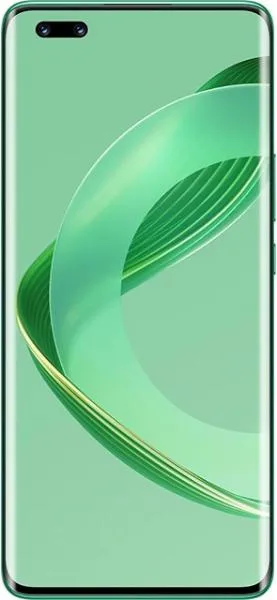

1. Specifications Comparison
| Feature | Huawei nova 11 Pro | Xiaomi Redmi Note 13 Pro+ | Practical Impact |
|---|---|---|---|
| Design | |||
| Dimensions (mm) | 164.3 x 74.4 x 7.9 | 161.4 x 74.2 x 8.9 | Redmi is slightly shorter, narrower, but thicker. Negligible difference in hand feel. |
| Weight (g) | 188 | 199 | Nova 11 Pro is noticeably lighter. |
| Display | |||
| Display Type | OLED | AMOLED | Both offer excellent contrast and vibrant colors. |
| Display Size (inches) | 6.78 | 6.67 | Negligible difference in screen real estate. |
| Resolution | 1200 x 2652 | 1220 x 2712 | Similar sharpness; Redmi slightly higher pixel density. |
| Refresh Rate (Hz) | 120 | 120 | Both offer smooth scrolling and animations. |
| Color Depth | 1B | 68B | Redmi offers wider color gamut, resulting in more accurate and nuanced colors, especially noticeable in HDR content. |
| HDR | HDR10 | HDR10+, Dolby Vision | Redmi supports more HDR formats for a better viewing experience in compatible content. |
| Peak Brightness (nits) | 950 | 1800 | Redmi significantly brighter, crucial for outdoor visibility. |
| Performance | |||
| Chipset | Snapdragon 778G 4G (6nm) | Dimensity 7200 Ultra (4nm) | Dimensity 7200 Ultra offers better performance and efficiency due to newer architecture and smaller manufacturing process. |
| CPU | Octa-core (4x2.4 GHz & 4x1.8 GHz) | Octa-core (2x2.8 GHz & 6x2.0 GHz) | Redmi has a more powerful CPU configuration. Expect faster app loading and multitasking. |
| GPU | Adreno 642L | Mali-G610 MC4 | While benchmarks might vary, both GPUs should handle most games at decent settings. Dimensity's GPU generally provides better performance. |
| RAM (GB) | 6/8/12 | 8/12/16 | Redmi offers higher RAM options, benefiting heavy multitasking and gaming. |
| OS | Android 13 | Missing OS details for Huawei make comparison difficult. Potential limitations on app availability and updates for Huawei if it is not running a standard Android distribution. | |
| Camera | |||
| Main Camera (MP) | 50 | 200 | Redmi boasts a significantly higher resolution main sensor, potentially capturing more detail. |
| Ultrawide (MP) | 8 | 8 | Similar ultrawide resolution. |
| Selfie Camera (MP) | 60 | 16 | Huawei has a much higher resolution selfie camera, potentially beneficial for video calls and high-resolution self-portraits. |
| Video Recording | 720p@960fps | 4K@30fps | Redmi offers superior video resolution and features like OIS. Huawei's slow-motion capability is notable. |
| Battery | |||
| Capacity (mAh) | 4500 | 5000 | Redmi offers a larger battery, potentially leading to longer battery life. |
2. Key Differences Analysis
Huawei nova 11 Pro Advantages:
- Lighter: More comfortable for extended use.
- Higher Resolution Selfie Camera: Better for video calls and self-portraits.
- Extreme Slow-Motion Video: Unique feature for capturing fast-paced action.
Xiaomi Redmi Note 13 Pro+ Advantages:
- Superior Performance: Dimensity 7200 Ultra provides significantly faster processing and graphics performance.
- Brighter Display: Better outdoor visibility.
- Larger Battery: Potentially longer battery life.
- Better Main Camera: Higher resolution sensor and optical image stabilization.
- More Comprehensive HDR Support: Better viewing experience for compatible content.
- Confirmed OS and Updates: Android 13 ensures access to the latest apps and features, as well as future software updates.
Trade-offs:
- Huawei's lack of clear OS information is a significant concern regarding app availability, compatibility, and future updates.
- Redmi is slightly heavier and thicker.
3. User Profiles & Recommendations
Huawei nova 11 Pro: Users prioritizing a lightweight phone with an excellent selfie camera for vlogging or social media. Slow-motion video enthusiasts.
Xiaomi Redmi Note 13 Pro+: Users looking for all-around performance, a great display for media consumption, long battery life, and a capable main camera. Mobile gamers will appreciate the powerful chipset.
4. Decision Framework
Key Questions for Buyers:
- What is your budget? Compare prices based on storage configurations.
- What are your primary use cases? (e.g., photography, gaming, social media)
- How important is software and app ecosystem? Huawei's OS situation requires careful consideration.
Scenario-Based Recommendations:
- Heavy user/Gamer: Redmi Note 13 Pro+
- Selfie/Vlog Focused User: Huawei Nova 11 Pro (with careful OS consideration)
- General User seeking balance: Redmi Note 13 Pro+ due to overall superior specs and confirmed software support.
My Choice: Xiaomi Redmi Note 13 Pro+
The Redmi Note 13 Pro+ is the clear winner for me. The significantly improved performance, brighter display, larger battery, superior main camera, and confirmed Android OS with updates outweigh the Huawei's advantages in weight and selfie camera resolution. The uncertainty surrounding Huawei's OS is a major drawback. While the Nova 11 Pro offers specific niche features, the Redmi Note 13 Pro+ provides a more well-rounded and future-proof package. The superior performance and display alone make a significant difference in daily usage. Furthermore, access to a well-established app ecosystem and guaranteed software updates are crucial for long-term usability and security.
