1. Specifications Comparison
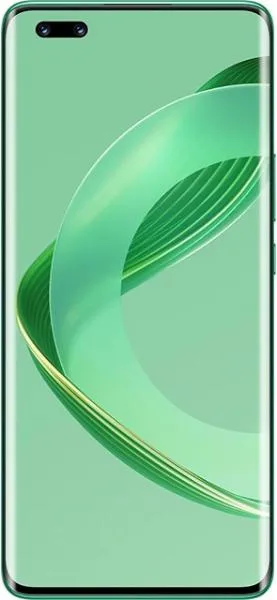
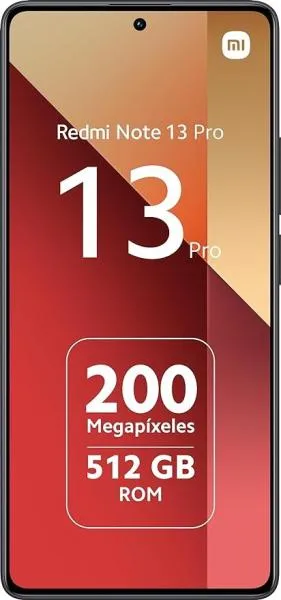
| Feature | Huawei nova 11 Pro | Xiaomi Redmi Note 13 Pro 4G | Practical Impact |
|---|---|---|---|
| Design | |||
| Dimensions (mm) | 164.3 x 74.4 x 7.9 | 161.1 x 75 x 8 | Nova 11 Pro is slightly taller and thinner. Negligible difference in daily use. |
| Weight (g) | 188 | 188 | Identical weight. |
| Display | |||
| Display Type | OLED | AMOLED | Both offer vibrant colors and deep blacks. OLED generally consumes less power. |
| Display Size (inches) | 6.78 | 6.67 | Nova 11 Pro has a marginally larger screen. |
| Resolution | 1200 x 2652 | 1080 x 2400 | Nova 11 Pro has a significantly sharper display, resulting in clearer text and images. |
| Refresh Rate (Hz) | 120 | 120 | Both offer smooth scrolling and animations. |
| Peak Brightness (nits) | 950 | 1300 | Redmi Note 13 Pro offers better visibility in direct sunlight. |
| Performance | |||
| Chipset | Snapdragon 778G 4G | MediaTek Helio G99 Ultra | Snapdragon 778G generally offers better GPU performance for gaming, while Helio G99 focuses on power efficiency. |
| CPU | Octa-core (4x2.4 GHz & 4x1.8 GHz) | Octa-core (2x2.2 GHz & 6x2.0 GHz) | Performance differences likely negligible for everyday tasks, but benchmarks would be needed for definitive comparison. |
| RAM (GB) | 6/8/12 (depending on version) | 8/12 (depending on version) | More RAM enables better multitasking; both phones offer ample RAM for most users. |
| OS | Unknown | Android 13 | Lack of OS information for the Nova 11 Pro makes comparison difficult. |
| Camera | |||
| Main Camera (MP) | 50 | 200 | Redmi Note 13 Pro boasts higher resolution, potentially capturing more detail. Real-world image quality depends on sensor size and processing. |
| Ultrawide (MP) | 8 | 8 | Similar ultrawide capabilities. |
| Selfie Camera (MP) | 60 | 16 | Nova 11 Pro has a much higher resolution selfie camera. |
| Video Recording | 720p@960fps | 1080p@60fps | Nova 11 Pro offers extreme slow-motion but at lower resolution. Redmi offers higher resolution standard slow motion and potentially better overall video quality. |
| Battery | |||
| Capacity (mAh) | 4500 | 5000 | Redmi Note 13 Pro has a larger battery, potentially lasting longer on a single charge. |
2. Key Differences Analysis
Huawei nova 11 Pro Advantages:
- Sharper Display: Higher resolution for clearer visuals.
- Higher Resolution Selfie Camera: For detailed self-portraits.
- Extreme Slow-Motion Video: Unique capability for capturing fast action.
Xiaomi Redmi Note 13 Pro 4G Advantages:
- Brighter Display: Better outdoor visibility.
- Larger Battery: Potentially longer battery life.
- Higher Resolution Main Camera: Potentially more detailed photos.
- Lower Price: Significantly more affordable based on provided pricing data.
- Confirmed Operating System and Updates: Android 13 with potential updates to 16.
3. User Profiles & Recommendations
Huawei nova 11 Pro: Users prioritizing a sharp display, high-resolution selfies, and unique slow-motion video capabilities. Suitable for social media enthusiasts and content creators focused on visual quality.
Xiaomi Redmi Note 13 Pro 4G: Users seeking excellent value, long battery life, and a bright display. Ideal for everyday use, media consumption, and general photography.
4. Decision Framework
Key Questions for Buyers:
- What is your budget? The Redmi Note 13 Pro offers significantly better value.
- What are your primary smartphone uses? (e.g., photography, social media, gaming, general use)
- How important are display sharpness, brightness, and battery life?
Scenario-Based Recommendations:
- Tight Budget: Redmi Note 13 Pro 4G
- Photography Enthusiast: Redmi Note 13 Pro 4G (pending real-world camera comparisons)
- Social Media Influencer: Huawei nova 11 Pro (assuming comparable camera quality despite lower main sensor resolution)
- Heavy User: Redmi Note 13 Pro 4G for its larger battery.
My Choice: Xiaomi Redmi Note 13 Pro 4G
Reasoning:
The Redmi Note 13 Pro 4G offers a compelling combination of features and value. Its larger battery, brighter display, and significantly lower price outweigh the Nova 11 Pro's advantages in display sharpness and selfie camera resolution for me. The uncertainty surrounding the Nova 11 Pro's operating system and lack of long-term software update assurance is also a significant concern. While the Nova 11 Pro has appealing features, the Redmi Note 13 Pro 4G provides a more well-rounded and future-proof package for the majority of users, especially considering the substantial price difference. The 200MP main camera on the Redmi also holds significant potential for excellent image quality, though real-world comparisons would be necessary to confirm this.
