
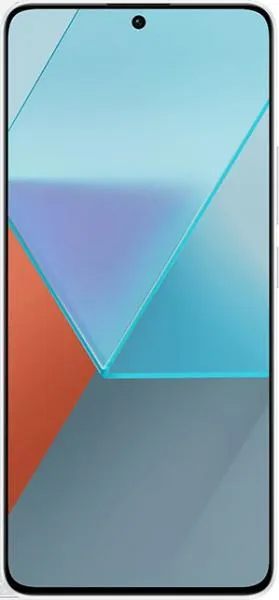
1. Specifications Comparison
| Feature | Huawei nova 11 Pro | Xiaomi Redmi Note 13 Pro | Practical Impact |
|---|---|---|---|
| Design | |||
| Dimensions (mm) | 164.3 x 74.4 x 7.9 | 161.2 x 74.2 x 8.0 | Redmi is slightly shorter and narrower, negligible difference in thickness. |
| Weight (g) | 188 | 187 | Virtually identical weight. |
| Display | |||
| Display Type | OLED, 120Hz | AMOLED, 120Hz, Dolby Vision | Both offer smooth scrolling; Redmi's Dolby Vision support provides better HDR video quality. |
| Display Size (inches) | 6.78 | 6.67 | Negligible difference in size. |
| Resolution | 1200 x 2652 | 1220 x 2712 | Similar sharpness; Redmi has slightly higher pixel density. |
| Peak Brightness (nits) | 950 | 1800 | Redmi's significantly higher peak brightness offers better outdoor visibility. |
| Performance | |||
| Chipset | Snapdragon 778G 4G (6nm) | Snapdragon 7s Gen 2 (4nm) | Redmi's newer, more efficient chipset likely offers better performance and battery life. |
| CPU | Octa-core (4x2.4 GHz & 4x1.8 GHz) | Octa-core (4x2.4 GHz & 4x1.95 GHz) | Similar CPU configurations, but Redmi's 4nm process should provide better efficiency. |
| GPU | Adreno 642L | Adreno 710 | Redmi likely has a performance advantage in graphics-intensive tasks. |
| RAM | 6/8/12GB | 8/12/16GB | Redmi offers higher RAM configurations for better multitasking. |
| OS | Not specified | Android 13 | Missing OS details for Huawei limit comparison, but Redmi comes with the latest Android version. |
| Camera | |||
| Main Camera | 50MP, f/1.9 | 200MP, f/1.65, OIS | Redmi boasts higher resolution and optical image stabilization for potentially better low-light and stable video. |
| Ultrawide | 8MP, f/2.2 | 8MP, f/2.2 | Seemingly identical ultrawide cameras. |
| Selfie Camera | 60MP, f/2.4 | 16MP, f/2.4 | Huawei has a much higher resolution selfie camera. |
| Video | 720p@960fps | 4K@30fps, 1080p@120fps | Redmi offers higher resolution video recording capabilities. |
| Battery | |||
| Capacity | 4500 mAh | 5100 mAh | Redmi has a larger battery, likely resulting in longer battery life. |
2. Key Differences Analysis
Huawei nova 11 Pro Advantages:
- Higher Resolution Selfie Camera: Significantly higher megapixel count for detailed selfies.
Xiaomi Redmi Note 13 Pro Advantages:
- Superior Display: Brighter display with Dolby Vision for better HDR content.
- More Powerful and Efficient Chipset: Improved performance and battery life.
- Higher Resolution Main Camera with OIS: Better low-light photos and video stabilization.
- Larger Battery: Longer usage time between charges.
- More RAM Options: Smoother multitasking, especially with demanding apps.
- Up-to-date OS: Latest Android features and security updates.
Trade-offs:
- Huawei's high-resolution selfie camera comes at the expense of other features like video recording capabilities.
- Redmi's focus on performance and display might be less appealing to users prioritizing selfie quality.
3. User Profiles & Recommendations
Huawei nova 11 Pro: Users primarily focused on taking high-quality selfies and who prioritize a sleek design.
Xiaomi Redmi Note 13 Pro: Users who value overall performance, a bright and vibrant display, long battery life, and versatile camera capabilities. Good for mobile gaming, media consumption, and general use.
4. Decision Framework
Key Questions for Buyers:
- What is your budget? (Consider the price difference between variants).
- What are your primary smartphone usage patterns? (Gaming, photography, social media, etc.).
- Which features are most important to you? (Camera quality, battery life, performance, display).
Scenario-Based Recommendations:
- Heavy Social Media User Focused on Selfies: Huawei nova 11 Pro.
- Gamer or Power User: Xiaomi Redmi Note 13 Pro.
- Average User Seeking Balanced Performance and Value: Xiaomi Redmi Note 13 Pro.
My Choice: Xiaomi Redmi Note 13 Pro
While the Huawei Nova 11 Pro offers a compelling selfie camera, the Redmi Note 13 Pro provides a more well-rounded package. Its superior display, more powerful processor, larger battery, and improved camera system (with OIS!) make it a better choice for most users. The updated Android OS also ensures longer software support and access to the latest features. Although missing OS details for the Huawei limit a full comparison, the Redmi's advantages in key areas are significant enough to make it the preferred option for me, prioritizing overall performance and user experience. Additionally, the lack of specific pricing information hinders a comprehensive price-to-value comparison, but generally, Xiaomi's Redmi series offers competitive pricing.
