1. Specifications Comparison
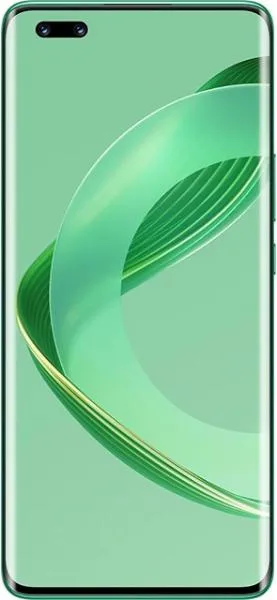
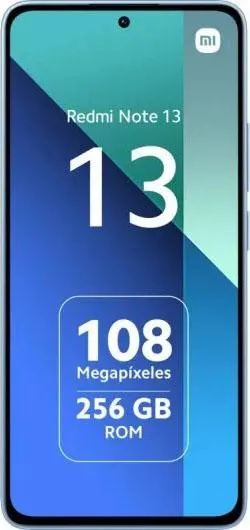
| Feature | Huawei nova 11 Pro | Xiaomi Redmi Note 13 4G | Practical Impact |
|---|---|---|---|
| Design | |||
| Dimensions (mm) | 164.3 x 74.4 x 7.9 | 162.3 x 75.6 x 8.0 | Nova 11 Pro is slightly taller and narrower, Redmi Note 13 is slightly thicker. Negligible difference in hand feel. |
| Weight (g) | 188 | 188.5 | Virtually identical weight. |
| Build | Unspecified | Unspecified | Build material impacts durability and premium feel. Lack of information limits comparison. |
| Display | |||
| Display Type | OLED | AMOLED | Both offer vibrant colors and deep blacks. OLED generally has slightly better power efficiency. |
| Size (inches) | 6.78 | 6.67 | Negligible difference in screen real estate. |
| Resolution | 1200 x 2652 | 1080 x 2400 | Nova 11 Pro has a sharper display with higher pixel density (429 ppi vs 395 ppi), resulting in crisper text and images. |
| Refresh Rate (Hz) | 120 | 120 | Both offer smooth scrolling and animations. |
| Peak Brightness (nits) | 950 | 1800 | Redmi Note 13 boasts significantly higher peak brightness, ensuring better visibility in direct sunlight. |
| Performance | |||
| Chipset | Snapdragon 778G 4G (6nm) | Snapdragon 685 (6nm) | 778G is a more powerful chipset offering significantly better performance in demanding tasks and gaming. |
| CPU | Octa-core (4x2.4 GHz & 4x1.8 GHz) | Octa-core (4x2.8 GHz & 4x1.9 GHz) | While the 685 has higher clock speeds on some cores, the 778G's architecture and higher performance cores provide a superior overall experience. |
| GPU | Adreno 642L | Adreno 610 | 642L provides noticeably better graphics performance for gaming and media consumption. |
| RAM (GB) | 6/8/12 (depending on version) | 6/8 (depending on version) | More RAM enables better multitasking. Need to compare specific versions for accurate assessment. |
| Camera | |||
| Main Camera (MP) | 50 | 108 | Redmi Note 13 has a higher megapixel count on the main sensor. However, megapixels alone don't determine image quality. Sensor size, aperture and image processing play a crucial role. |
| Selfie Camera (MP) | 60 | 16 | Nova 11 Pro has a much higher resolution front camera. Practical impact depends on selfie usage and image processing quality. |
| Video Recording | 720p@960fps (slow-mo) | 1080p@30fps | Nova 11 pro offers significantly higher frame rate slow-motion video recording. Redmi Note 13's standard video resolution is higher. |
| Battery | |||
| Capacity (mAh) | 4500 | 5000 | Redmi Note 13 has a larger battery, likely leading to longer battery life. Real-world usage varies based on individual usage patterns and software optimization. |
2. Key Differences Analysis
Huawei nova 11 Pro Advantages:
- Superior Performance: The Snapdragon 778G offers a significant performance advantage for gaming, multitasking, and demanding applications.
- Sharper Display: Higher resolution results in crisper visuals.
- Higher Resolution Selfie Camera: Potentially better selfie quality, depending on image processing.
- High Frame Rate Slow Motion: Captures smoother slow-motion videos.
Xiaomi Redmi Note 13 4G Advantages:
- Brighter Display: Much brighter screen for better outdoor visibility.
- Larger Battery: Potentially longer battery life.
- Lower Price: Significantly more affordable based on provided pricing.
- Higher Resolution Main Camera: Potentially better detail in photos, depending on other camera factors. More versatile camera setup with dedicated depth and ultrawide sensors.
3. User Profiles & Recommendations
Huawei nova 11 Pro: Users who prioritize performance, a sharp display, and a high-quality selfie camera. Suitable for mobile gaming, content creation, and those who value a smooth user experience.
Xiaomi Redmi Note 13 4G: Budget-conscious users who prioritize battery life and a bright display for outdoor use. Suitable for everyday tasks, social media, and casual photography.
4. Decision Framework
Key Questions for Buyers:
- What is your budget? The Redmi Note 13 is significantly cheaper.
- What are your primary use cases? Gaming and demanding tasks favor the Nova 11 Pro. Basic usage and longer battery life favor the Redmi Note 13.
- Which features are most important to you? Prioritize performance and display sharpness or battery life and outdoor visibility?
My Choice: Xiaomi Redmi Note 13 4G
While the Huawei Nova 11 Pro offers a performance advantage and a sharper display, the Xiaomi Redmi Note 13 4G provides exceptional value for its price. The significantly lower cost, combined with a brighter display for better outdoor use, larger battery for extended usage, and a versatile camera system makes it the more compelling option for me. The performance difference, while noticeable, is not a deal-breaker for my typical usage which involves browsing, communication, media consumption, and occasional light gaming. The Redmi Note 13 excels in practicality and affordability. The much higher price of the Nova 11 Pro doesn't justify the performance benefits for my needs.
