1. Specifications Comparison
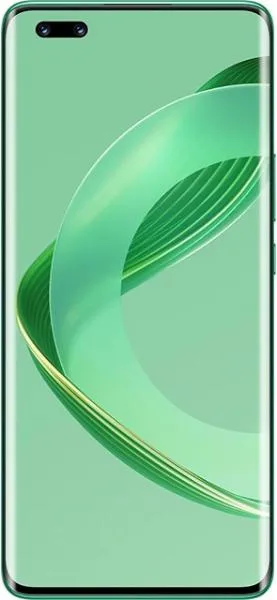
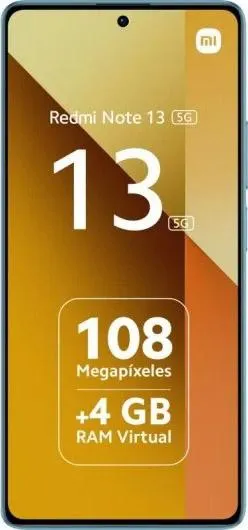
| Feature | Huawei nova 11 Pro | Xiaomi Redmi Note 13 | Practical Impact |
|---|---|---|---|
| Design | |||
| Dimensions (mm) | 164.3 x 74.4 x 7.9 | 161.1 x 75.0 x 7.6 | Redmi Note 13 is slightly smaller and thinner. |
| Weight (g) | 188 | 174.5 | Redmi Note 13 is noticeably lighter, improving one-handed use. |
| Display | |||
| Display Type | OLED, 120Hz | AMOLED, 120Hz | Both offer smooth scrolling and vibrant colors; OLED generally offers deeper blacks. |
| Display Size (inches) | 6.78 | 6.67 | Negligible size difference. |
| Resolution | 1200 x 2652 | 1080 x 2400 | Nova 11 Pro has a sharper display due to higher resolution. Impacts image clarity and text sharpness. |
| PPI | 429 | 395 | Noticeably sharper text and images on the Nova 11 Pro. |
| Performance | |||
| Chipset | Snapdragon 778G 4G (6 nm) | Dimensity 6080 (6 nm) | 778G generally offers slightly better CPU and GPU performance, resulting in smoother multitasking and gaming. |
| CPU | Octa-core (4x2.4 GHz & 4x1.8 GHz) | Octa-core (2x2.4 GHz & 6x2.0 GHz) | Nova 11 Pro likely has a performance edge in demanding tasks. |
| GPU | Adreno 642L | Mali-G57 MC2 | Adreno 642L generally provides a better gaming experience. |
| RAM | 6GB/8GB/12GB (China) | 6GB/8GB/12GB | RAM options vary by region; more RAM enables better multitasking. |
| OS | Unknown | Android 13 | Significant difference. Lack of OS information for Nova 11 Pro hinders assessment. Potentially impacts app availability, updates, and overall user experience. |
| Camera | |||
| Rear Camera | 50MP Main, 8MP Wide+Macro | 108MP Main, 8MP Wide, 2MP Depth | Redmi Note 13 boasts higher megapixel count on the main camera, potentially capturing more detail in ideal conditions. Nova 11 Pro lacks dedicated depth sensor. |
| Front Camera | 60MP Main, 8MP Depth | 16MP | Nova 11 Pro has a significantly higher resolution front camera, potentially beneficial for selfies and video calls. |
| Video Recording | 720p@960fps (slow-mo) | 1080p@30fps | Nova 11 Pro offers significantly higher frame rate slow-motion video but lacks detailed standard video recording specs. Redmi Note 13 offers standard 1080p recording. |
| Battery | |||
| Capacity | 4500 mAh | 5000 mAh | Redmi Note 13 has a larger battery capacity, likely leading to longer battery life. |
2. Key Differences Analysis
Huawei nova 11 Pro Advantages:
- Sharper Display: Higher resolution and PPI translate to a more visually pleasing experience.
- Potentially Better Performance: Snapdragon 778G generally outperforms Dimensity 6080 in benchmarks.
- Higher Resolution Front Camera: Ideal for selfie enthusiasts and video calls.
- High Frame Rate Slow-Motion: Captures dramatic slow-motion footage.
Xiaomi Redmi Note 13 Advantages:
- Lower Price: Significantly more affordable.
- Larger Battery: Potentially longer battery life.
- Lighter and Thinner: More comfortable for one-handed use.
- Confirmed OS: Android 13 ensures access to a wide range of apps and services. Clear upgrade path.
Trade-offs:
- Nova 11 Pro: Higher price, smaller battery, unknown OS situation are major drawbacks.
- Redmi Note 13: Lower resolution display, potentially less powerful processor.
3. User Profiles & Recommendations
Huawei nova 11 Pro: Users prioritizing display quality, performance (for gaming or demanding tasks), and high-resolution selfies, who are less sensitive to price and battery life. Use Cases: Mobile gaming, content consumption (videos, photos), social media (especially visual platforms).
Xiaomi Redmi Note 13: Budget-conscious users who prioritize battery life and a confirmed, up-to-date OS. Use Cases: Everyday tasks, web browsing, social media, casual photography.
4. Decision Framework
Key Questions:
- What is your budget? Redmi Note 13 is significantly cheaper.
- How important is display quality and performance? Nova 11 Pro excels in these areas.
- How long do you need your phone to last on a single charge? Redmi Note 13 likely has better battery life.
Scenario-Based Recommendations:
- Tight Budget, Everyday Use: Redmi Note 13.
- Gamer, Content Consumer: Nova 11 Pro (if budget allows and OS concerns are addressed).
- Heavy Social Media User Focused on Visuals: Nova 11 Pro (same caveats apply).
My Choice: Xiaomi Redmi Note 13
Reasoning:
While the Nova 11 Pro boasts a superior display and potentially better performance, the lack of clear information regarding its operating system is a major concern. This uncertainty around OS availability, updates, and Google Play Services compatibility creates a significant risk. The Redmi Note 13, on the other hand, offers a confirmed Android 13 OS, ensuring a smooth user experience and access to a vast app ecosystem. Furthermore, its significantly lower price, larger battery, and lighter weight make it a more compelling overall package for the average user. The trade-offs in display resolution and processing power are acceptable considering the price difference and the peace of mind offered by a well-established OS.
