
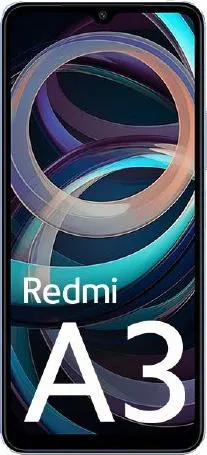
1. Specifications Comparison
| Feature | Huawei nova 11 Pro | Xiaomi Redmi A3 | Practical Impact |
|---|---|---|---|
| Design | |||
| Dimensions (mm) | 164.3 x 74.4 x 7.9 | 168.3 x 76.3 x 8.3 | Redmi A3 is slightly larger and thicker. Nova 11 Pro likely feels more premium in hand. |
| Weight (g) | 188 | 193 | Negligible weight difference in real-world usage. |
| Build Materials | Not specified | Not specified | Cannot compare build quality without more information. |
| Display | |||
| Display Type | OLED, 1B colors, 120Hz | IPS LCD, 90Hz | Nova 11 Pro offers significantly better contrast, color accuracy, and smoother scrolling due to OLED and higher refresh rate. |
| Resolution | 1200 x 2652 | 720 x 1650 | Much sharper and more detailed visuals on the Nova 11 Pro. Redmi A3's display will appear pixelated in comparison. |
| Size (inches) | 6.78 | 6.71 | Negligible difference in screen real estate. |
| PPI | 429 | 268 | Noticeably sharper text and images on the Nova 11 Pro. |
| Performance | |||
| Chipset | Snapdragon 778G 4G (6nm) | Mediatek Helio G36 (12nm) | Nova 11 Pro provides significantly better performance in demanding tasks, gaming, and multitasking. |
| CPU | Octa-core (4x2.4 GHz & 4x1.8 GHz) | Octa-core (4x2.2 GHz & 4x1.6 GHz) | Nova 11 Pro has a more powerful CPU architecture, leading to faster app loading and smoother operation. |
| GPU | Adreno 642L | PowerVR GE8320 | Nova 11 Pro delivers superior graphics performance for smoother gaming and media consumption. |
| RAM | 6GB/8GB/12GB | 3GB/4GB/6GB | More RAM options on the Nova 11 Pro allow for better multitasking and smoother performance with demanding applications. |
| Camera | |||
| Main Camera | 50MP, f/1.9 | 8MP, f/2.0 | Significantly better image quality, low-light performance, and detail on the Nova 11 Pro. |
| Selfie Camera | 60MP, f/2.4 | 5MP, f/2.2 | Much higher resolution selfie camera on the Nova 11 Pro. |
| Video Recording | 720p@960fps | 1080p@30fps | Nova 11 Pro offers super slow-motion capabilities; however, Redmi A3 offers higher resolution standard video recording. Missing detail regarding Nova 11 Pro's standard video recording capabilities. |
| Battery | |||
| Capacity | 4500 mAh | 5000 mAh | Redmi A3 has a larger battery capacity, potentially offering longer battery life. However, real-world battery life depends on various factors including software optimization and display technology. |
2. Key Differences Analysis
Huawei nova 11 Pro Advantages:
- Superior Display: OLED with a higher resolution, refresh rate, and color depth provides a vastly improved visual experience.
- Significantly Better Performance: The Snapdragon 778G outperforms the Helio G36 by a significant margin, resulting in smoother overall operation and better gaming capabilities.
- Higher Quality Cameras: The 50MP main and 60MP selfie cameras offer much better image quality and detail compared to the Redmi A3.
Xiaomi Redmi A3 Advantages:
- Larger Battery: The 5000 mAh battery potentially offers longer battery life, but real-world usage will vary.
- Lower Price: Significantly more affordable, making it accessible to budget-conscious consumers.
3. User Profiles & Recommendations
Huawei nova 11 Pro: Users who prioritize performance, display quality, camera capabilities, and a premium feel. Suitable for:
- Gaming enthusiasts: The powerful chipset and smooth display will provide a better gaming experience.
- Photography enthusiasts: The high-resolution cameras will allow for capturing detailed photos and videos.
- Power users: Demanding tasks and multitasking will be handled efficiently by the powerful hardware.
Xiaomi Redmi A3: Users on a tight budget who prioritize basic functionality and long battery life. Suitable for:
- Casual users: Primarily using the phone for calling, texting, social media, and light web browsing.
- Budget-conscious students: An affordable option that meets basic smartphone needs.
4. Decision Framework
Key Questions for Buyers:
- What is your budget? The Redmi A3 is significantly cheaper.
- What are your primary use cases? Gaming, photography, and demanding tasks favor the Nova 11 Pro. Basic communication and web browsing are well-handled by the Redmi A3.
- How important is display quality and performance? The Nova 11 Pro significantly outperforms the Redmi A3 in these areas.
My Choice: Huawei nova 11 Pro
While the Redmi A3 offers an attractive price point, the Nova 11 Pro's superior performance, stunning display, and significantly better camera system make it the clear winner for me. I value a smooth and responsive user experience, high-quality visuals, and good camera performance. The price difference is justifiable for the substantial upgrade in overall quality and capabilities. The Redmi A3 feels like a compromise in too many areas crucial for a satisfying smartphone experience. I would rather invest in a device that provides a more enjoyable and long-lasting user experience.
