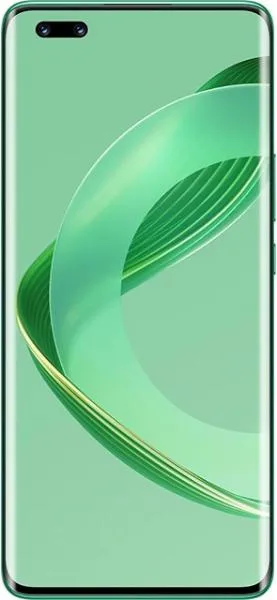
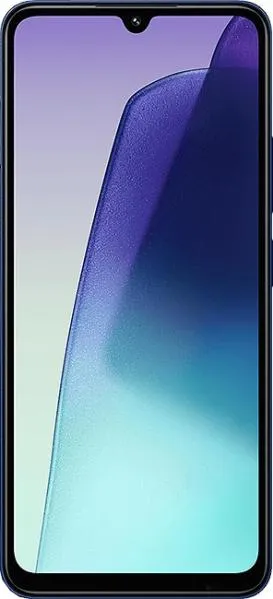
1. Specifications Comparison
| Feature | Huawei nova 11 Pro | Xiaomi Redmi 14C | Practical Impact |
|---|---|---|---|
| Design | |||
| Dimensions (mm) | 164.3 x 74.4 x 7.9 | 171.9 x 77.8 x 8.2 | Redmi 14C is noticeably larger and heavier. Nova 11 Pro is more pocketable and comfortable for one-handed use. |
| Weight (g) | 188 | 211 | |
| Build | Missing | Missing | Build quality and materials cannot be compared due to lack of information. |
| Display | |||
| Display Type | OLED | IPS LCD | Nova 11 Pro offers deeper blacks, more vibrant colors, and better power efficiency due to OLED technology. |
| Size (inches) | 6.78 | 6.88 | Redmi 14C has a slightly larger screen, but the difference is minimal. |
| Resolution | 1200 x 2652 | 720 x 1640 | Nova 11 Pro has a significantly sharper display (429 ppi vs 260 ppi), resulting in crisper text and images. |
| Refresh Rate | 120Hz | 120Hz | Both phones offer smooth scrolling and animations thanks to the 120Hz refresh rate. |
| Performance | |||
| Chipset | Snapdragon 778G 4G | MediaTek Helio G81 Ultra | Snapdragon 778G generally offers better performance and efficiency than the Helio G81 Ultra. Nova 11 Pro will likely handle demanding tasks and gaming better. |
| CPU | Octa-core (4x2.4 GHz & 4x1.8 GHz) | Octa-core (2x2.0 GHz & 6x1.8 GHz) | |
| GPU | Adreno 642L | Mali-G52 MC2 | Adreno 642L provides superior graphics performance compared to the Mali-G52 MC2, leading to a smoother gaming experience on the Nova 11 Pro. |
| RAM | 6/8/12GB | 4/6/8GB | Nova 11 Pro offers configurations with more RAM, enabling better multitasking and app performance. |
| Camera | |||
| Main Camera | 50MP f/1.9 | 50MP f/1.8 | Aperture difference is negligible. Image quality comparison requires real-world testing due to lack of sensor details. |
| Selfie Camera | 60MP f/2.4 | 13MP f/2.0 | Nova 11 Pro boasts a much higher resolution selfie camera. |
| Video | 720p@960fps | 1080p@30fps | Nova 11 Pro offers super slow-motion video recording. Redmi 14C is limited to standard 1080p. |
| Battery | |||
| Capacity | 4500 mAh | 5160 mAh | Redmi 14C has a larger battery capacity, potentially offering longer battery life. However, real-world usage will depend on software optimization and display efficiency. |
2. Key Differences Analysis
Huawei nova 11 Pro Advantages:
- Superior Display: OLED technology provides significantly better image quality and power efficiency. Higher resolution results in sharper visuals.
- Better Performance: Snapdragon 778G and Adreno 642L offer a smoother and more responsive user experience, especially for gaming.
- More RAM Options: Higher RAM configurations improve multitasking and overall performance.
- Higher Resolution Selfie Camera: Caters to users who prioritize high-quality self-portraits.
- Super Slow-Motion Video: Offers a unique creative option for video recording.
Xiaomi Redmi 14C Advantages:
- Larger Battery: Potentially longer battery life, but real-world performance depends on various factors.
- Lower Price: Significantly more affordable, offering good value for its price range.
Trade-offs:
- Nova 11 Pro sacrifices battery capacity for a slimmer and lighter design.
- Redmi 14C compromises on display quality, performance, and camera capabilities for affordability.
3. User Profiles & Recommendations
Huawei nova 11 Pro: Users who prioritize display quality, performance, camera features, and a premium design. Suitable for:
- Mobile gamers
- Photography enthusiasts
- Content creators
- Users who value a sleek and portable device
Xiaomi Redmi 14C: Budget-conscious users who prioritize battery life and basic functionality. Suitable for:
- Casual users primarily focused on communication and essential apps
- Users seeking a large screen for media consumption on a budget
- Students or individuals with limited budgets
4. Decision Framework
Key Questions for Buyers:
- What is your budget? The Redmi 14C is significantly cheaper.
- What are your priorities? Performance, display, and camera (Nova 11 Pro) vs. Battery life and affordability (Redmi 14C).
- What are your typical usage patterns? Gaming, photography, multitasking (Nova 11 Pro) vs. Basic communication, web browsing, media consumption (Redmi 14C).
My Choice: Huawei nova 11 Pro
While the Redmi 14C offers excellent value for its price, the Huawei nova 11 Pro is the superior device overall. The significantly better display, stronger performance, and more versatile camera system outweigh the Redmi 14C's larger battery and lower price for me. I prioritize a smooth user experience, vibrant visuals, and good camera quality. The slimmer design of the Nova 11 Pro is also more appealing. While battery life is important, I'm willing to compromise slightly in that area for the overall superior experience offered by the Nova 11 Pro. The price difference is significant, but the improved features justify the higher cost for my needs and preferences.
