1. Specifications Comparison
| Feature | Huawei nova 11 Pro | Xiaomi Redmi 13C 5G | Practical Impact |
|---|---|---|---|
| Design | |||
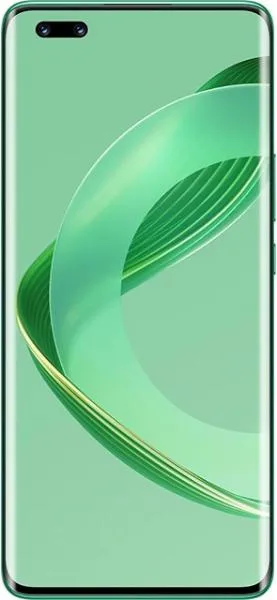
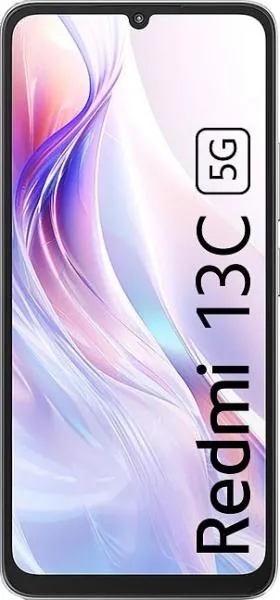
| Dimensions (mm) | 164.3 x 74.4 x 7.9 | 168 x 78 x 8.1 | Nova 11 Pro is slightly smaller and thinner. |
| Weight (g) | 188 | 192 | Negligible weight difference in real-world usage. |
| Build | Unspecified | Unspecified | Build quality and materials cannot be compared due to missing information. |
| Display | |||
| Display Type | OLED, 120Hz | IPS LCD, 90Hz | Nova 11 Pro offers deeper blacks, more vibrant colors, and smoother scrolling thanks to OLED and higher refresh rate. Redmi 13C's LCD might be more visible in direct sunlight. |
| Resolution | 1200 x 2652 | 720 x 1600 | Significantly sharper and more detailed visuals on the Nova 11 Pro. Redmi 13C's lower resolution will be noticeable in everyday use, particularly with text and images. |
| PPI | 429 | 260 | Much higher pixel density on the Nova 11 Pro translates to sharper text and images. |
| Performance | |||
| Chipset | Snapdragon 778G 4G | Dimensity 6100+ 5G | Both offer decent mid-range performance, but the Dimensity 6100+ has the advantage of 5G connectivity. |
| CPU | Octa-core (4x2.4 GHz & 4x1.8 GHz) | Octa-core (2x2.2 GHz & 6x2.0 GHz) | Comparable CPU performance, although specific benchmarks are needed for a definitive comparison. |
| GPU | Adreno 642L | Mali-G57 MC2 | Adreno 642L generally offers better gaming performance. |
| RAM | 6GB/8GB/12GB | 4GB/6GB/8GB | More RAM options available on the Nova 11 Pro, potentially benefiting multitasking performance. |
| Camera | |||
| Rear Camera | 50MP Main + 8MP Wide & Macro | 50MP Main + 0.8MP (Unspecified) | Nova 11 Pro's secondary lens offers wider versatility with macro capability. The functionality of Redmi 13C's 0.8MP lens is unclear. |
| Front Camera | 60MP + 8MP Depth | 5MP | Nova 11 Pro boasts a significantly higher resolution front camera with a dedicated depth sensor for better portrait shots. |
| Video Recording | 720p@960fps (Slow-mo) | 1080p@30fps | Nova 11 Pro offers higher frame rate slow-motion video recording. Redmi 13C offers standard 1080p recording. |
| Battery | |||
| Capacity | 4500 mAh | 5000 mAh | Redmi 13C has a larger battery, potentially offering longer battery life. Real-world usage will depend on software optimization. |
2. Key Differences Analysis
Huawei nova 11 Pro Advantages:
- Superior Display: OLED with 120Hz refresh rate offers a dramatically better visual experience.
- Higher Resolution: Sharper and more detailed images and text.
- Better Cameras: Higher resolution front and rear cameras with more versatile features.
- Faster Slow-Motion Video: 960fps slow-motion capture.
Xiaomi Redmi 13C 5G Advantages:
- 5G Connectivity: Future-proofed with faster mobile data speeds.
- Larger Battery: Potentially longer battery life.
- Significantly Lower Price: Offers a much more budget-friendly option.
Trade-offs:
- Nova 11 Pro: Lacks 5G connectivity, higher price.
- Redmi 13C 5G: Lower resolution display, less powerful cameras, no high refresh rate.
3. User Profiles & Recommendations
Huawei nova 11 Pro: Users who prioritize display quality, camera performance, and a premium feel. Ideal for content consumption, photography, and gaming.
Xiaomi Redmi 13C 5G: Budget-conscious users who prioritize 5G connectivity and long battery life. Suitable for basic tasks, social media, and communication.
4. Decision Framework
Key Questions:
- Is 5G connectivity essential?
- How important is display quality and camera performance?
- What is your budget?
Scenario-based Recommendations:
- Limited Budget, 5G Needed: Redmi 13C 5G
- Prioritize Display and Camera: Nova 11 Pro
- Balanced Needs, Moderate Budget: Consider other options that might offer a better balance of features and price. Missing information about pricing makes a definitive recommendation difficult.
My Choice:
I would choose the Huawei nova 11 Pro. While lacking 5G and carrying a higher price, the significantly superior display, camera system, and overall performance are more important to me. I value a smooth and visually engaging user experience, and the Nova 11 Pro delivers in those areas. The lack of 5G is a drawback, but in my usage scenario, 4G speeds are sufficient. However, the price difference is significant and must be strongly considered. If the budget is tight, the Redmi 13C 5G offers excellent value.
