1. Specifications Comparison
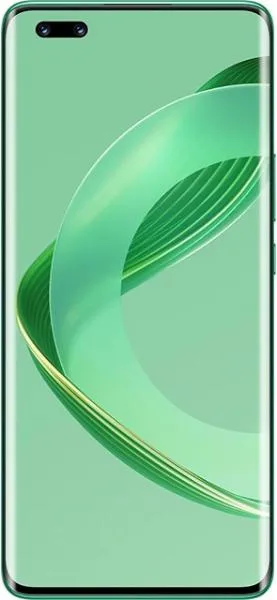
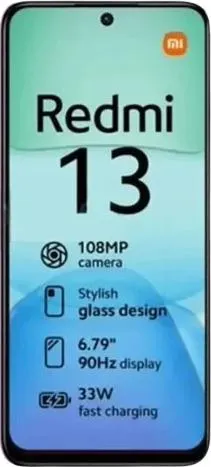
| Feature | Huawei nova 11 Pro | Xiaomi Redmi 13 | Practical Impact |
|---|---|---|---|
| Design | |||
| Dimensions (mm) | 164.3 x 74.4 x 7.9 | 168.6 x 76.3 x 8.3 | Redmi 13 is slightly larger and thicker. |
| Weight (g) | 188 | 205 | Nova 11 Pro is noticeably lighter, improving one-handed use. |
| Build | Unspecified | Unspecified | Build quality and materials unknown, limiting comparison. |
| Display | |||
| Display Type | OLED | IPS LCD | Nova 11 Pro offers deeper blacks, better contrast, and wider viewing angles due to OLED technology. |
| Display Size (inches) | 6.78 | 6.79 | Negligible size difference. |
| Resolution | 1200 x 2652 | 1080 x 2460 | Nova 11 Pro has a sharper display with higher pixel density (429 ppi vs 396 ppi). |
| Refresh Rate (Hz) | 120 | 90 | Nova 11 Pro provides smoother scrolling and animations. |
| Performance | |||
| Chipset | Snapdragon 778G 4G (6 nm) | MediaTek Helio G91 (12 nm) | Snapdragon 778G generally offers better performance and efficiency. |
| CPU | Octa-core (4x2.4 GHz & 4x1.8 GHz) | Octa-core (2x2.0 GHz & 6x1.8 GHz) | Nova 11 Pro likely has a performance advantage due to faster prime cores in the CPU. |
| GPU | Adreno 642L | Mali-G52 MC2 | Adreno 642L generally provides better gaming performance. |
| RAM (GB) | 6/8/12 | 6/8 | More RAM options available for Nova 11 Pro, potentially enabling better multitasking. |
| Camera | |||
| Main Camera (MP) | 50 | 108 | Redmi 13 boasts higher resolution, potentially capturing more detail. However, sensor size and other factors also impact image quality, which are unknown here. |
| Selfie Camera (MP) | 60 | 13 | Nova 11 Pro has significantly higher selfie resolution. |
| Video Recording | 720p@960fps | 1080p@30fps | Nova 11 pro offers super slow-motion video recording; Redmi 13 is limited to standard 1080p@30fps. |
| Battery | |||
| Capacity (mAh) | 4500 | 5030 | Redmi 13 has a larger battery, potentially offering longer battery life. |
2. Key Differences Analysis
Huawei nova 11 Pro Advantages:
- Superior Display: OLED technology provides better contrast, colors, and viewing angles. Higher refresh rate delivers smoother visuals.
- Better Performance: Snapdragon 778G offers a performance advantage for demanding tasks and gaming.
- Lighter and More Compact: Enhances portability and one-handed usage.
- Higher Resolution Selfie Camera: Caters to users who prioritize high-quality self-portraits.
- Super Slow-Motion Video: Offers unique creative possibilities for video recording.
Xiaomi Redmi 13 Advantages:
- Larger Battery: Potentially longer battery life.
- Higher Resolution Main Camera: Potentially captures more detail in photos, although overall image quality depends on various factors not specified.
- Lower Price: Significantly more affordable.
Trade-offs:
- Nova 11 Pro: Higher price for premium features, potentially lacking the latest OS updates and Google Mobile Services.
- Redmi 13: Lower price but compromises on display quality, performance, and camera features.
3. User Profiles & Recommendations
Huawei nova 11 Pro: Users who prioritize display quality, performance, a sleek design, and a good selfie camera, and are willing to pay a premium price. Suitable for:
- Photography enthusiasts: High-resolution selfie camera and creative slow-motion video capabilities.
- Gamers: Smoother gaming experience due to a better GPU and higher refresh rate display.
- Content Consumers: Vivid and sharp display enhances media consumption.
Xiaomi Redmi 13: Budget-conscious users who prioritize battery life and a large display. Suitable for:
- Casual users: Basic smartphone needs like calling, texting, web browsing, and social media.
- Students: Affordable option with decent performance for everyday tasks.
- Users seeking long battery life: Larger battery capacity ensures extended usage without frequent charging.
4. Decision Framework
Key Questions for Buyers:
- What is your budget? The Redmi 13 offers excellent value for its price, while the Nova 11 Pro commands a premium.
- What are your priorities? Performance, display, and camera quality are stronger in the Nova 11 Pro. Battery life and affordability favor the Redmi 13.
- What is your typical usage? Demanding tasks and gaming benefit from the Nova 11 Pro's superior hardware. Basic usage is well-served by the Redmi 13.
My Choice: Huawei nova 11 Pro
While the Redmi 13 offers incredible value, I would choose the Huawei nova 11 Pro. The superior OLED display, smoother performance (thanks to the Snapdragon chip and 120Hz refresh rate), lighter weight, and high-quality selfie camera are significant advantages for my usage. I prioritize a fluid user experience and excellent visuals, and I am willing to invest in a device that delivers these aspects. While the lack of specific OS details is a concern, the overall package of the Nova 11 Pro is more appealing to me. The Redmi 13 is a solid budget option, but the compromises in key areas are too significant for my personal preferences.
