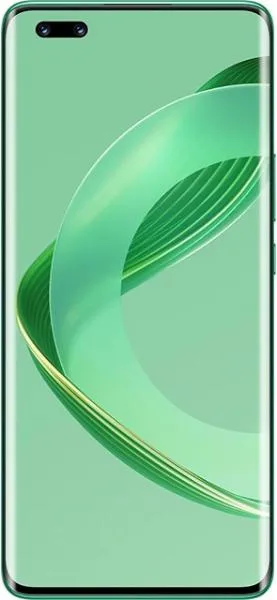
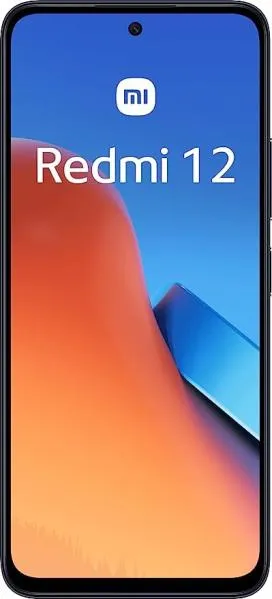
1. Specifications Comparison
| Feature | Huawei nova 11 Pro | Xiaomi Redmi 12 | Practical Impact |
|---|---|---|---|
| Design | |||
| Dimensions (mm) | 164.3 x 74.4 x 7.9 | 168.6 x 76.3 x 8.2 | Nova 11 Pro is slightly smaller and thinner. Redmi 12 may feel bulkier. |
| Weight (g) | 188 | 198.5 | Nova 11 Pro is noticeably lighter, improving one-handed use. |
| Display | |||
| Display Type | OLED | IPS LCD | Nova 11 Pro offers deeper blacks, more vibrant colors, and better power efficiency. Redmi 12's LCD may appear washed out in comparison. |
| Display Size (inches) | 6.78 | 6.79 | Negligible size difference. |
| Resolution | 1200 x 2652 | 1080 x 2460 | Nova 11 Pro has a sharper display with more detail. |
| Refresh Rate (Hz) | 120 | 90 | Nova 11 Pro provides smoother scrolling and animations. |
| Performance | |||
| Chipset | Snapdragon 778G 4G (6nm) | Helio G88 (12nm) | Nova 11 Pro offers significantly better performance in demanding tasks and gaming. 778G is a more powerful and efficient chip. |
| CPU | Octa-core (4x2.4 GHz & 4x1.8 GHz) | Octa-core (2x2.0 GHz & 6x1.8 GHz) | Nova 11 Pro has a faster CPU architecture. |
| GPU | Adreno 642L | Mali-G52 MC2 | Nova 11 Pro has a more powerful GPU, resulting in better gaming performance. |
| RAM (GB) | 6/8/12 (depending on version) | 4/6/8 (depending on version) | More RAM on certain Nova 11 Pro versions enables better multitasking. |
| Camera | |||
| Main Camera (MP) | 50 | 50 | Comparable megapixel count, but sensor quality details are missing for objective comparison. |
| Selfie Camera (MP) | 60 | 8 | Nova 11 Pro boasts a much higher resolution front camera, likely producing more detailed selfies. |
| Video Recording | 720p@960fps | 1080p@30fps | Nova 11 Pro offers significantly higher frame rate slow-motion video capture, but limited resolution. Redmi 12 records at a standard resolution but lower frame rate. |
| Battery | |||
| Capacity (mAh) | 4500 | 5000 | Redmi 12 has a larger battery, potentially offering longer battery life. However, real-world usage depends on optimization. |
| OS | Unknown | Android 13 | Lack of OS information for Nova 11 Pro hinders comparison. |
2. Key Differences Analysis
Huawei nova 11 Pro Advantages:
- Superior Display: OLED technology with higher resolution and refresh rate provides a more visually appealing and responsive experience.
- Significantly Better Performance: The Snapdragon 778G outperforms the Helio G88, resulting in smoother multitasking, faster app loading, and better gaming.
- Higher Resolution Selfie Camera: The 60MP front camera offers more detail for selfie enthusiasts.
- High Frame Rate Slow Motion: Captures dramatic slow-motion videos.
- Lighter and Slimmer Design: More comfortable for one-handed use and portability.
Xiaomi Redmi 12 Advantages:
- Larger Battery: Potentially longer battery life, but real-world performance depends on optimization.
- Lower Price: Significantly more affordable.
- Known OS: Android 13 provides a familiar user experience.
3. User Profiles & Recommendations
Huawei nova 11 Pro: Users who prioritize display quality, performance, a great selfie camera, and a sleek design. Suitable for:
- Mobile gamers
- Photography enthusiasts (especially selfies)
- Users who consume media heavily on their phones
Xiaomi Redmi 12: Budget-conscious users who prioritize battery life and a functional smartphone experience. Suitable for:
- Casual users primarily focused on communication and basic tasks
- Users seeking long battery life
4. Decision Framework
Key Questions for Buyers:
- What is your budget? The Redmi 12 is significantly more affordable.
- What are your performance requirements? The Nova 11 Pro offers a much smoother and more powerful experience.
- How important is display quality? The Nova 11 Pro's OLED screen is superior.
Scenario-Based Recommendations:
- Tight budget, basic usage: Redmi 12
- Balanced performance and price: Consider other options, as Nova 11 Pro's price might be too high for the value offered compared to other phones in the same price range.
- Best possible display and performance: Nova 11 Pro (if budget isn't a constraint)
My Choice:
I would choose the Xiaomi Redmi 12. While the Huawei nova 11 Pro boasts superior display and performance, the significant price difference doesn't justify the incremental benefits for me personally. The Redmi 12 offers a solid foundation for everyday tasks, excellent battery life, and comes at a fraction of the cost. The lack of OS information for the Nova 11 Pro also raises concerns about software updates and potential limitations. For my needs, the Redmi 12 strikes a better balance between price and performance. I value practicality and affordability over top-tier specs that I might not fully utilize.
