
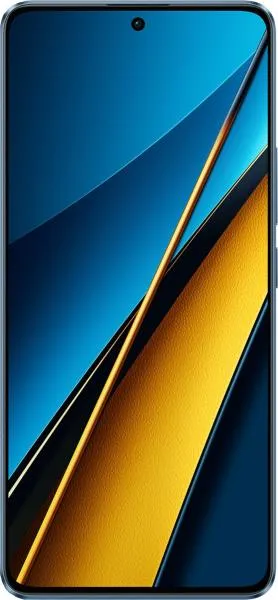
1. Specifications Comparison
| Feature | Huawei nova 11 Pro | Xiaomi Poco X6 | Practical Impact |
|---|---|---|---|
| Design | |||
| Dimensions (mm) | 164.3 x 74.4 x 7.9 | 161.2 x 74.3 x 8.0 | Poco X6 is slightly shorter and marginally thicker. Negligible difference in real-world usage. |
| Weight (g) | 188 | 181 | Poco X6 is slightly lighter, but the difference is minimal. |
| Display | |||
| Display Type | OLED, 120Hz | AMOLED, 120Hz, Dolby Vision | Both offer smooth scrolling and vivid colors. Poco X6's Dolby Vision support provides better HDR video playback with enhanced contrast and colors. |
| Size (inches) | 6.78 | 6.67 | Nova 11 Pro has a slightly larger display, providing a more immersive experience for media consumption. |
| Resolution | 1200 x 2652 | 1220 x 2712 | Comparable sharpness. Poco X6 has slightly higher pixel density due to a smaller display size, but the difference is negligible. |
| Peak Brightness (nits) | 950 | 1800 | Poco X6's significantly higher peak brightness ensures better outdoor visibility, especially in direct sunlight. |
| Performance | |||
| Chipset | Snapdragon 778G 4G (6nm) | Snapdragon 7s Gen 2 (4nm) | Poco X6's newer and more efficient 4nm chipset should result in better performance and battery life. |
| CPU | Octa-core (4x2.4 GHz & 4x1.8 GHz) | Octa-core (4x2.40 GHz & 4x1.95 GHz) | Poco X6 might have a slight performance advantage due to slightly faster CPU cores. Real-world difference may be minimal for everyday tasks. |
| GPU | Adreno 642L | Adreno 710 | Poco X6's GPU should offer noticeably better gaming performance. |
| RAM | 6/8/12GB | 8/12GB | Both offer ample RAM for multitasking, but Poco X6's 12GB option provides more headroom for demanding applications. The provided data lacks RAM information for the compared Nova 11 Pro variant. |
| Camera | |||
| Main Camera | 50MP, f/1.9 | 64MP, f/1.79, OIS | Poco X6's larger sensor with OIS should deliver better low-light performance and sharper images. |
| Ultrawide | 8MP, f/2.2 | 8MP, f/2.2 | Seemingly comparable, but sensor details are missing for conclusive comparison. |
| Macro | N/A | 2MP, f/2.4 | Poco X6 offers a dedicated macro lens, although its low resolution might limit detail. |
| Selfie | 60MP, f/2.4 | 16MP | Nova 11 Pro boasts a much higher resolution selfie camera, potentially capturing more detail. However, higher resolution doesn't guarantee better image quality. |
| Video | 720p@960fps | 4K@30fps, 1080p@60fps | Poco X6 offers superior video recording capabilities with higher resolution and frame rates, including OIS for smoother footage. |
| Battery | |||
| Capacity | 4500 mAh | 5100 mAh | Poco X6's larger battery capacity likely translates to longer battery life. |
2. Key Differences Analysis
Huawei nova 11 Pro Advantages:
- Higher resolution selfie camera: Potentially captures more detail.
- Slightly larger display: More immersive for media consumption.
Xiaomi Poco X6 Advantages:
- Superior performance: Newer and more powerful chipset and GPU.
- Better display: Dolby Vision, higher peak brightness.
- Enhanced camera system: Higher resolution main camera with OIS, dedicated macro lens, better video recording capabilities.
- Larger battery: Longer battery life.
- Lower Price: Significantly more affordable based on provided pricing data.
Trade-offs:
- Nova 11 Pro's higher resolution selfie camera might not necessarily translate to better image quality due to other factors like sensor size and processing.
- Poco X6's macro lens has a low resolution, potentially limiting its usefulness.
3. User Profiles & Recommendations
Huawei nova 11 Pro: Users prioritizing a high-resolution selfie camera and a slightly larger display, willing to compromise on other aspects like performance and battery life.
Xiaomi Poco X6: Users looking for an all-around performer with a great display, strong performance, long battery life, and a versatile camera system at a competitive price. Suitable for gaming, photography, and everyday use.
4. Decision Framework
Key Questions:
- What is your budget? The Poco X6 offers significantly better value for its price.
- What are your priorities? Selfie quality and display size vs. overall performance, battery life, and rear camera quality.
- What are your primary use cases? Gaming, photography, video recording, social media, or general everyday use.
Scenario-Based Recommendations:
- Tight budget, all-around performance: Poco X6
- Prioritizing selfies and large display, less demanding usage: Nova 11 Pro
- Gaming and photography enthusiast: Poco X6
My Choice: Xiaomi Poco X6
Reasons:
The Poco X6 offers a significantly better overall package for a much lower price. Its superior performance, better display with Dolby Vision and high brightness, enhanced camera system with OIS, and larger battery make it a more compelling choice for most users. While the Nova 11 Pro has a higher resolution selfie camera, the Poco X6 excels in almost every other aspect. The price difference is substantial enough to solidify the Poco X6 as the better value proposition. The performance and future-proofing provided by the newer chipset are also crucial factors.
