1. Specifications Comparison
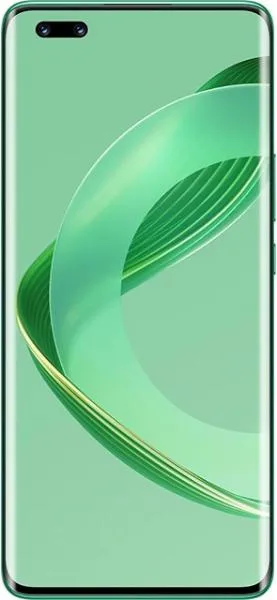
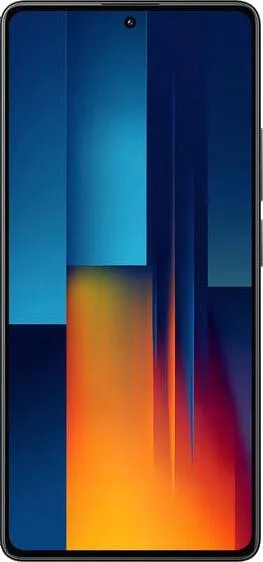
| Feature | Huawei nova 11 Pro | Xiaomi Poco M6 Pro | Practical Impact |
|---|---|---|---|
| Design | |||
| Dimensions (mm) | 164.3 x 74.4 x 7.9 | 161.1 x 75.0 x 8.0 | Nova 11 Pro is slightly taller and thinner. Negligible difference in daily use. |
| Weight (g) | 188 | 179 | Poco M6 Pro is slightly lighter, potentially more comfortable for extended use. |
| Display | |||
| Display Type | OLED | AMOLED | Both offer vibrant colors and deep blacks. OLED generally consumes less power. |
| Size (inches) | 6.78 | 6.67 | Negligible difference in screen real estate. |
| Resolution | 1200 x 2652 | 1080 x 2400 | Nova 11 Pro has a sharper display due to higher resolution. Noticeable in text and image clarity. |
| Refresh Rate (Hz) | 120 | 120 | Both offer smooth scrolling and animations. |
| Peak Brightness (nits) | 950 | 1800 | Poco M6 Pro offers significantly higher peak brightness, improving outdoor visibility. |
| Performance | |||
| Chipset | Snapdragon 778G 4G | MediaTek Helio G99 Ultra | Both are mid-range chipsets. Snapdragon generally has better GPU performance, while Helio G99 focuses on power efficiency. Real-world performance differences may vary depending on the task. |
| CPU | Octa-core (4x2.4 GHz & 4x1.8 GHz) | Octa-core (2x2.2 GHz & 6x2.0 GHz) | Similar CPU configurations, performance differences would be minor for average users. |
| GPU | Adreno 642L | Mali-G57 MC2 | Adreno 642L generally performs better in gaming and graphically intensive tasks. |
| RAM (GB) | 6/8/12 (depending on version) | 6/8/12 (depending on version) | RAM parity across versions. More RAM improves multitasking. |
| Camera | |||
| Main Camera (MP) | 50 | 64 | Poco M6 Pro has a higher resolution main sensor, potentially capturing more detail. |
| Ultrawide (MP) | 8 | 8 | Same resolution ultrawide camera. |
| Selfie Camera (MP) | 60 + 8 | 16 | Nova 11 Pro boasts a significantly higher resolution selfie camera and a secondary depth sensor, likely producing better quality selfies. |
| Video Recording | 720p@960fps | 1080p@60fps | Nova 11 Pro offers extreme slow-motion capabilities, while Poco M6 Pro offers higher resolution standard slow-motion. |
| Battery | |||
| Capacity (mAh) | 4500 | 5000 | Poco M6 Pro has a larger battery, potentially offering longer battery life. |
2. Key Differences Analysis
Huawei Nova 11 Pro Advantages:
- Sharper Display: Higher resolution provides a noticeable improvement in clarity.
- Superior Selfie Camera: Higher resolution and dual-lens setup will likely produce significantly better selfies.
- Extreme Slow-Motion Video: Captures dramatic slow-motion footage.
Xiaomi Poco M6 Pro Advantages:
- Brighter Display: Much brighter display for better outdoor visibility.
- Larger Battery: Potentially longer battery life.
- Lower Price: Significantly more affordable based on the provided pricing.
3. User Profiles & Recommendations
Huawei Nova 11 Pro: Users who prioritize display sharpness, high-quality selfies, and occasional slow-motion video capture. Suitable for social media enthusiasts and content creators.
Xiaomi Poco M6 Pro: Users who prioritize battery life, affordability, and good outdoor visibility. Suitable for everyday users, budget-conscious buyers, and those who consume a lot of media on their phones.
4. Decision Framework
Key Questions:
- What is your budget? The Poco M6 Pro is significantly cheaper.
- What are your primary smartphone usage patterns? Social media, gaming, photography, general use?
- Which features are most important to you? Display quality, battery life, camera performance, affordability?
Scenario-Based Recommendations:
- Tight budget, general use: Poco M6 Pro
- Prioritize display quality and selfies: Huawei Nova 11 Pro
- Heavy outdoor use: Poco M6 Pro due to higher brightness
My Choice: Xiaomi Poco M6 Pro
While the Nova 11 Pro offers a sharper display and a better selfie camera, the significantly lower price of the Poco M6 Pro makes it a more compelling option for me. The brighter display, larger battery, and adequate performance for everyday tasks outweigh the benefits of the Nova 11 Pro for my personal needs. The price difference is substantial enough to justify compromising on slightly lower resolution and selfie camera quality. I prioritize value and practicality, and the Poco M6 Pro delivers in those areas.
