
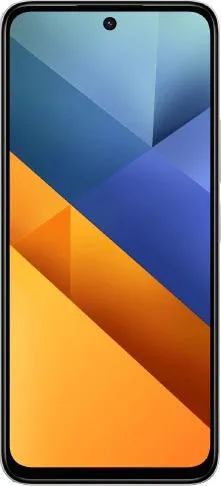
1. Specifications Comparison
| Feature | Huawei nova 11 Pro | Xiaomi Poco M6 4G | Practical Impact |
|---|---|---|---|
| Design | |||
| Dimensions (mm) | 164.3 x 74.4 x 7.9 | 168.6 x 76.3 x 8.3 | Poco M6 is slightly larger and thicker. |
| Weight (g) | 188 | 205 | Nova 11 Pro is noticeably lighter, improving one-handed use. |
| Build | Missing | Missing | Build quality and materials cannot be compared. |
| Display | |||
| Size (inches) | 6.78 | 6.79 | Virtually identical screen sizes. |
| Resolution | 1200 x 2652 | 1080 x 2460 | Nova 11 Pro has a sharper display with higher pixel density (429 vs 396 ppi), resulting in crisper text and images. |
| Type | OLED, 120Hz | IPS LCD, 90Hz | Nova 11 Pro's OLED offers deeper blacks, more vibrant colors, and smoother animations thanks to the higher refresh rate. Poco M6's LCD might be slightly more visible in direct sunlight. |
| Performance | |||
| Chipset | Snapdragon 778G 4G (6 nm) | Helio G91 Ultra (12 nm) | Snapdragon 778G generally offers better performance and efficiency. Expect smoother multitasking and gaming on the Nova 11 Pro. |
| CPU | Octa-core (4x2.4 GHz & 4x1.8 GHz) | Octa-core (2x2.0 GHz & 6x1.8 GHz) | Nova 11 Pro likely has a performance edge due to the Kryo 670 cores in the 778G compared to Cortex cores in the G91. |
| GPU | Adreno 642L | Mali-G52 MC2 | Adreno 642L generally provides better gaming performance than the Mali-G52 MC2. |
| RAM | 6/8/12GB | 6/8GB | Both offer ample RAM for most users, but the Nova 11 Pro's higher RAM option provides more headroom for demanding tasks. |
| Camera | |||
| Main Camera | 50MP, f/1.9 | 108MP, f/1.75 | Poco M6 boasts higher resolution, potentially capturing more detail. Nova 11 Pro's sensor details are lacking to make a thorough comparison. Image quality depends on factors beyond resolution. |
| Selfie Camera | 60MP, f/2.4 | 13MP, f/2.45 | Nova 11 Pro has a significantly higher resolution front camera. |
| Video | 720p@960fps | 1080p@30fps | Nova 11 Pro offers super slow-motion recording; Poco M6's video capabilities are more basic. |
| Battery | |||
| Capacity | 4500 mAh | 5030 mAh | Poco M6 has a larger battery, potentially offering longer battery life. Real-world usage will vary. |
| Charging Speed | Not specified | Not specified | Cannot compare charging speeds. |
2. Key Differences Analysis
Huawei nova 11 Pro Advantages:
- Superior Display: OLED with 120Hz refresh rate delivers a more vibrant and smoother visual experience.
- Better Performance: Snapdragon 778G offers a noticeable performance advantage for demanding tasks and gaming.
- Lighter and More Compact: Easier to handle and carry.
- Higher Resolution Selfie Camera: Better for video calls and self-portraits.
- Super Slow-Motion Video: Creative video recording option.
Xiaomi Poco M6 4G Advantages:
- Larger Battery: Potential for longer battery life.
- Higher Resolution Main Camera: Potentially captures more detail in photos.
- Lower Price: Significantly more affordable.
3. User Profiles & Recommendations
Huawei nova 11 Pro: Users who prioritize display quality, performance, and a premium feel. Suitable for gaming, media consumption, and those who value a sleek design.
Xiaomi Poco M6 4G: Budget-conscious users who prioritize battery life and a large screen. Suitable for everyday tasks, social media, and casual photography.
4. Decision Framework
Key Questions for Buyers:
- What is your budget? The Poco M6 offers excellent value for its price, while the Nova 11 Pro commands a premium.
- What are your priorities? Performance and display vs. battery life and affordability.
- What are your typical use cases? Gaming and media consumption vs. basic tasks and social media.
My Choice:
I would choose the Huawei nova 11 Pro. While the Poco M6 offers incredible value, I prioritize the superior display, performance, and overall user experience offered by the Nova 11 Pro. The smoother 120Hz OLED display, faster processor, and lighter design are significant factors for me. I am willing to pay the premium for these advantages. While battery life is important, I can manage with the Nova 11 Pro's battery, especially considering its more efficient processor. The Poco M6 is a tempting option for budget-conscious buyers, but the Nova 11 Pro aligns better with my preferences for a flagship-like experience.
