
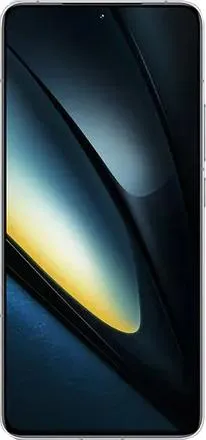
1. Specifications Comparison
| Feature | Huawei nova 11 Pro | Xiaomi Poco F6 Pro | Practical Impact |
|---|---|---|---|
| Design | |||
| Dimensions (mm) | 164.3 x 74.4 x 7.9 | 160.9 x 75 x 8.2 | Poco F6 Pro is slightly shorter and wider, but thicker. Negligible difference in everyday use. |
| Weight (g) | 188 | 209 | Nova 11 Pro is noticeably lighter, improving one-handed use and comfort. |
| Display | |||
| Display Type | OLED | AMOLED | Both offer excellent contrast and vibrant colors. |
| Display Size (inches) | 6.78 | 6.67 | Negligible difference in screen real estate. |
| Resolution | 1200 x 2652 | 1440 x 3200 | Poco F6 Pro has a sharper display, beneficial for media consumption and gaming. |
| Refresh Rate (Hz) | 120 | 120 | Both offer smooth scrolling and animations. |
| Peak Brightness (nits) | 950 | 4000 | Poco F6 Pro offers significantly higher peak brightness, ensuring better visibility in direct sunlight. |
| Color Depth | 1B | 68B | Poco F6 Pro supports a wider color gamut, resulting in more accurate and nuanced colors. |
| HDR Support | HDR10 | HDR10+, Dolby Vision | Poco F6 Pro supports more advanced HDR standards, providing a better HDR viewing experience. |
| Performance | |||
| Chipset | Snapdragon 778G 4G (6nm) | Snapdragon 8 Gen 2 (4nm) | Poco F6 Pro has a significantly more powerful processor, resulting in much faster performance for demanding tasks and gaming. |
| CPU | Octa-core (4x2.4 GHz & 4x1.8 GHz) | Octa-core (1x3.2 GHz & 2x2.8 GHz & 2x2.8 GHz & 3x2.0 GHz) | Poco F6 Pro's superior CPU architecture delivers a substantial performance advantage. |
| GPU | Adreno 642L | Adreno 740 | Poco F6 Pro boasts a much more powerful GPU, leading to significantly improved gaming performance and graphics rendering. |
| RAM | 6GB/8GB/12GB | 12GB/16GB | Poco F6 Pro offers more RAM in its base configuration, enabling better multitasking and smoother performance. |
| Camera | |||
| Main Camera (MP) | 50 | 50 | Comparable resolution, but sensor details for the Nova 11 Pro are lacking to make a thorough comparison. |
| Ultrawide (MP) | 8 | 8 | Comparable resolution, but sensor specifics for the Nova 11 Pro are missing. |
| Macro (MP) | Not specified | 2 | Poco F6 Pro offers a dedicated macro lens. |
| Selfie Camera (MP) | 60 | 16 | Nova 11 Pro has a higher resolution selfie camera. Practical impact depends on individual usage and image processing. |
| Video Recording | Up to 720p@960fps | Up to 8K@24fps | Poco F6 Pro offers much higher video resolution and frame rate options. |
| Battery | |||
| Capacity (mAh) | 4500 | 5000 | Poco F6 Pro has a larger battery, potentially offering longer battery life. |
2. Key Differences Analysis
Huawei nova 11 Pro Advantages:
- Lighter Weight: Noticeably more comfortable for extended use and one-handed operation.
- Higher Resolution Selfie Camera: Potentially better for detailed selfies, but image quality depends on factors beyond resolution.
Xiaomi Poco F6 Pro Advantages:
- Significantly More Powerful: The Snapdragon 8 Gen 2 offers a massive performance advantage for demanding tasks, gaming, and future-proofing.
- Sharper and Brighter Display: The higher resolution and peak brightness result in a superior visual experience, especially outdoors.
- Larger Battery: Potentially leading to longer usage time between charges.
- More Advanced Camera Features: 8K video recording, optical image stabilization, and a dedicated macro lens offer greater versatility.
- More Recent OS: Android 14 offers the latest features and security updates. Missing OS information for the Nova 11 Pro hinders a complete comparison.
3. User Profiles & Recommendations
Huawei nova 11 Pro: Users prioritizing a lightweight and stylish phone for everyday tasks, social media, and casual photography, who are less concerned with top-tier performance or gaming.
Xiaomi Poco F6 Pro: Users who demand top-tier performance for gaming, demanding applications, and multimedia consumption. Also suitable for users who value a bright, sharp display and advanced camera features.
4. Decision Framework
Key Questions for Buyers:
- What is your budget and what level of performance do you need? The Poco F6 Pro offers significantly higher performance but might be more expensive.
- What are your primary use cases? Gaming, demanding applications, and bright outdoor use favor the Poco F6 Pro. Everyday tasks and a preference for a lighter phone favor the Nova 11 Pro.
- How important are camera features and display quality? The Poco F6 Pro offers more versatile camera features and a superior display.
My Choice: Xiaomi Poco F6 Pro
While the Huawei Nova 11 Pro offers a lighter design, the Poco F6 Pro's superior performance, display, camera features, larger battery, and more recent operating system make it a clear winner for me. The significant difference in processing power alone would heavily influence my decision, as it ensures a smooth user experience and better future-proofing. The brighter and sharper display is also a major plus. While I appreciate a lighter phone, the performance gains and feature set of the Poco F6 Pro outweigh the weight difference. The lack of clear OS information for the Nova 11 Pro is also a concern.
