
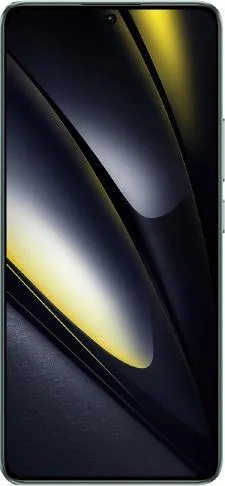
1. Specifications Comparison
| Feature | Huawei nova 11 Pro | Xiaomi Poco F6 | Practical Impact |
|---|---|---|---|
| Design | |||
| Dimensions (mm) | 164.3 x 74.4 x 7.9 | 160.5 x 74.5 x 8 | Poco F6 is slightly shorter and lighter. Negligible difference in daily use. |
| Weight (g) | 188 | 179 | Poco F6 is slightly lighter, enhancing one-handed use. |
| Display | |||
| Size (inches) | 6.78 | 6.67 | Negligible difference in screen real estate. |
| Resolution | 1200 x 2652 | 1220 x 2712 | Both offer sharp displays; Poco F6 has a slightly higher pixel density. |
| Type | OLED | AMOLED | Both offer vibrant colors and deep blacks. |
| Refresh Rate (Hz) | 120 | 120 | Both provide smooth scrolling and animations. |
| Peak Brightness (nits) | 950 | 2400 | Poco F6 offers significantly higher peak brightness, crucial for outdoor visibility. |
| Color Depth | 1B | 68B | Poco F6 supports a wider color gamut, resulting in more accurate and vibrant colors. |
| HDR | HDR10 | HDR10+, Dolby Vision | Poco F6 supports more advanced HDR standards for superior video playback quality. |
| Performance | |||
| Chipset | Snapdragon 778G 4G (6 nm) | Snapdragon 8s Gen 3 (4 nm) | Poco F6 boasts a significantly more powerful processor, resulting in much faster performance in demanding tasks and gaming. |
| CPU | Octa-core (4x2.4 GHz & 4x1.8 GHz) | Octa-core (1x3.0 GHz & 4x2.8 GHz & 3x2.0 GHz) | Poco F6's superior CPU architecture provides significant performance gains. |
| GPU | Adreno 642L | Adreno 735 | Poco F6 has a more powerful GPU, delivering a smoother gaming experience and faster graphics rendering. |
| RAM | 6GB (reviewed model) | 8/12GB (available options) | Poco F6 offers more RAM in its configurations, enabling better multitasking and smoother performance. |
| Camera | |||
| Main Camera (MP) | 50 | 50 | Comparable resolution; however, sensor details (size, pixel size) significantly impact image quality, and this information is incomplete for the Huawei. |
| Main Camera Aperture | f/1.9 | f/1.6 | Poco F6's wider aperture allows for better low-light performance and depth of field. |
| Optical Stabilization | No | Yes | Poco F6 offers optical image stabilization for significantly sharper photos and videos, especially in low light and when shooting handheld. |
| Video Recording | 720p@960fps | Up to 4K@60fps/8K@30fps | Poco F6 offers superior video recording capabilities with higher resolution and frame rates. |
| Battery | |||
| Capacity (mAh) | 4500 | 5000 | Poco F6 offers a larger battery capacity, potentially translating to longer battery life. |
2. Key Differences Analysis
Huawei nova 11 Pro Advantages:
- Lighter and Slimmer Design: Offers a more compact form factor, potentially preferable for some users.
- Higher Resolution Front Camera: The 60MP front camera might appeal to selfie enthusiasts. However, megapixels alone don't determine image quality. Missing sensor details limit a comprehensive comparison.
Xiaomi Poco F6 Advantages:
- Significantly More Powerful: The Snapdragon 8s Gen 3 offers a considerable performance advantage over the Snapdragon 778G.
- Brighter Display: The 2400 nits peak brightness ensures excellent outdoor visibility.
- Superior Camera System: Optical image stabilization, wider aperture on the main camera, and higher resolution video recording capabilities make the Poco F6 a more versatile camera phone.
- Larger Battery: The 5000 mAh battery is likely to provide longer battery life.
- More RAM: Available in configurations with more RAM, important for demanding users.
- Better Software Support: Running on the latest Android version with a longer update roadmap.
3. User Profiles & Recommendations
Huawei nova 11 Pro: Users prioritizing a lightweight and stylish design who primarily use their phone for basic tasks, social media, and casual photography.
Xiaomi Poco F6: Users who demand high performance for gaming, demanding applications, and content creation. Also suitable for users who prioritize a bright display, excellent camera quality, and long battery life.
4. Decision Framework
Key Questions for Buyers:
- What is your budget? Both are mid-range, but specific pricing should be compared.
- What are your primary phone usage patterns? (Gaming, photography, social media, etc.)
- How important is software support and future updates?
Scenario-Based Recommendations:
- Heavy Gamer: Poco F6 due to its superior processor and GPU.
- Photography Enthusiast: Poco F6 due to OIS, brighter aperture, and superior video recording capabilities.
- Casual User on a Budget: Price comparison is crucial; however, the Poco F6 generally offers better value for its performance and features.
My Choice: Xiaomi Poco F6
The Poco F6 is the clear winner for me. The significantly more powerful processor, brighter display with HDR10+ and Dolby Vision, superior camera system with OIS, larger battery, and the latest Android version make it a much more compelling device overall. While the Huawei nova 11 Pro offers a slightly slimmer design and a higher resolution front camera (although megapixel count isn't everything), these advantages are overshadowed by the Poco F6's significant strengths in performance, display, camera, and battery life. The Poco F6 offers a better overall user experience and greater longevity thanks to its superior hardware and software. Even if the Huawei were slightly cheaper, the performance difference would be hard to ignore.
