
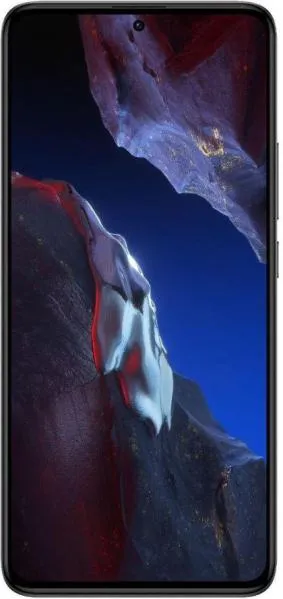
1. Specifications Comparison
| Feature | Huawei nova 11 Pro | Xiaomi Poco F5 Pro | Practical Impact |
|---|---|---|---|
| Design | |||
| Dimensions (mm) | 164.3 x 74.4 x 7.9 | 162.8 x 75.4 x 8.6 | Poco F5 Pro is slightly shorter and wider, but thicker. Nova 11 Pro is noticeably lighter. |
| Weight (g) | 188 | 204 | Nova 11 Pro offers a more comfortable one-handed experience due to its lighter weight. |
| Display | |||
| Display Type | OLED, 120Hz | AMOLED, 120Hz | Both offer smooth scrolling and animations. AMOLED generally offers better contrast and deeper blacks. |
| Display Size (inches) | 6.78 | 6.67 | Negligible difference in screen real estate. |
| Resolution | 1200 x 2652 | 1440 x 3200 | Poco F5 Pro has a significantly sharper display with higher pixel density, resulting in crisper text and images. |
| Peak Brightness (nits) | 950 | 1400 | Poco F5 Pro offers superior outdoor visibility in bright sunlight. |
| HDR | HDR10 | HDR10+, Dolby Vision | Poco F5 Pro supports wider HDR formats, resulting in better video quality on supported platforms. |
| Performance | |||
| Chipset | Snapdragon 778G 4G (6 nm) | Snapdragon 8+ Gen 1 (4 nm) | Poco F5 Pro boasts a significantly more powerful processor, enabling smoother multitasking, faster app loading, and better gaming performance. |
| CPU | Octa-core (4x2.4 GHz & 4x1.8 GHz) | Octa-core (1x3.0 GHz & 3x2.5 GHz & 4x1.80 GHz) | The superior CPU architecture of the Poco F5 Pro translates to a noticeable performance advantage in demanding tasks. |
| GPU | Adreno 642L | Adreno 730 | Poco F5 Pro's GPU offers a significant leap in graphics performance, crucial for demanding games and graphically intensive applications. |
| RAM | 6/8/12GB | 8/12GB | Both offer ample RAM for smooth multitasking; however, the availability of 12GB on both provides future-proofing. |
| Camera | |||
| Main Camera | 50MP, f/1.9 | 64MP, f/1.79, OIS | Poco F5 Pro's main camera boasts a higher resolution sensor and Optical Image Stabilization (OIS), likely resulting in better low-light performance and sharper images. |
| Ultrawide | 8MP, f/2.2 | 8MP, f/2.2 | Similar ultrawide capabilities. |
| Macro | Not specified | 2MP, f/2.4 | Dedicated macro lens on the Poco F5 Pro, although 2MP resolution is limited. |
| Selfie | 60MP, f/2.4 | 16MP, f/2.45 | Higher resolution on Nova 11 Pro, but image quality depends on sensor size and processing, which is not fully detailed. |
| Video | 720p@960fps | 8K@24fps, 4K@60fps | Poco F5 Pro supports significantly higher video resolution and frame rates. |
| Battery | |||
| Capacity | 4500 mAh | 5160 mAh | Poco F5 Pro offers a larger battery capacity, translating to potentially longer battery life. |
2. Key Differences Analysis
Huawei nova 11 Pro Advantages:
- Lighter and slimmer design: More comfortable for one-handed use and portability.
- Higher resolution front camera: Potentially better for detailed selfies (depending on sensor quality).
Xiaomi Poco F5 Pro Advantages:
- Significantly more powerful processor and GPU: Superior performance for demanding tasks and gaming.
- Sharper display with higher brightness and HDR support: Better visual experience for media consumption.
- Larger battery capacity: Potentially longer battery life.
- Optically stabilized main camera: Improved low-light performance and sharper images.
- Higher resolution and frame rate video recording: More versatile video capabilities.
Trade-offs:
- The Nova 11 Pro sacrifices performance and features for a slimmer, lighter design.
- The Poco F5 Pro prioritizes performance and features, resulting in a slightly heavier and thicker device.
3. User Profiles & Recommendations
Huawei nova 11 Pro: Users prioritizing a lightweight and stylish phone for everyday tasks, social media, and casual photography.
Xiaomi Poco F5 Pro: Users seeking a powerful and feature-rich phone for demanding tasks, gaming, mobile photography, and videography. Excellent price-to-performance ratio.
4. Decision Framework
Key Questions for Buyers:
- What is your budget and what level of performance do you require?
- Is a lightweight and slim design a top priority, or are you willing to compromise for better performance and features?
- How important is camera quality and video recording capabilities to you?
Scenario-based Recommendations:
- Casual User: Nova 11 Pro if budget is tight and a slim design is preferred.
- Power User: Poco F5 Pro for its superior performance and feature set.
- Photographer/Videographer: Poco F5 Pro for its advanced camera features and video capabilities.
My Choice: Xiaomi Poco F5 Pro
While the Huawei Nova 11 Pro offers a compelling lightweight design, the Xiaomi Poco F5 Pro is the clear winner for me. The significant difference in processing power (Snapdragon 8+ Gen 1 vs. 778G), the sharper and brighter display, the larger battery, and the inclusion of OIS on the main camera make it a much more versatile and future-proof device. The superior performance and feature set of the Poco F5 Pro outweigh the slight difference in weight and thickness, especially considering the price difference. The Poco F5 Pro offers an exceptional price-to-performance ratio, making it a compelling choice for a wide range of users.
