
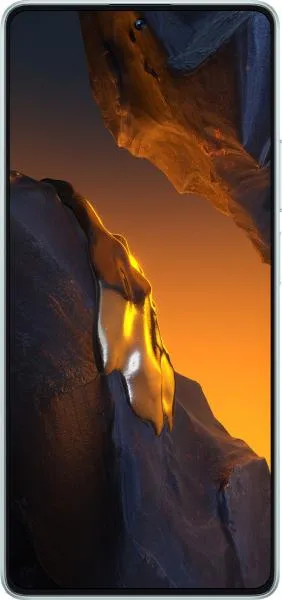
1. Specifications Comparison
| Feature | Huawei nova 11 Pro | Xiaomi Poco F5 | Practical Impact |
|---|---|---|---|
| Design | |||
| Dimensions (mm) | 164.3 x 74.4 x 7.9 | 161.1 x 75 x 7.9 | Poco F5 is slightly shorter and narrower, potentially improving one-handed usability. |
| Weight (g) | 188 | 181 | Poco F5 is slightly lighter, further enhancing portability. |
| Build | Unspecified | Unspecified | Build materials impact durability and premium feel; lacking information limits comparison. |
| Display | |||
| Size (inches) | 6.78 | 6.67 | Negligible difference in screen real estate. |
| Resolution | 1200 x 2652 | 1080 x 2400 | Nova 11 Pro has a sharper display due to higher pixel density, resulting in crisper text and images. |
| Type | OLED | AMOLED | Both offer excellent contrast and vibrant colors. Nova 11 Pro's "1B colors" suggests a wider color gamut for more accurate color representation. Poco F5's Dolby Vision and HDR10+ support provide better dynamic range in supported content. |
| Refresh Rate (Hz) | 120 | 120 | Both offer smooth scrolling and animations. |
| Performance | |||
| Chipset | Snapdragon 778G 4G (6nm) | Snapdragon 7+ Gen 2 (4nm) | Poco F5 boasts a significantly more powerful and efficient processor, leading to smoother multitasking, faster app loading, and better gaming performance. |
| CPU | Octa-core (4x2.4 GHz & 4x1.8 GHz) | Octa-core (1x2.91 GHz & 3x2.49 GHz & 4x1.8 GHz) | Poco F5's superior CPU architecture and clock speeds provide a substantial performance advantage. |
| GPU | Adreno 642L | Adreno 725 | Poco F5 has a much more powerful GPU, resulting in significantly improved gaming and graphics-intensive tasks. |
| RAM | 6/8/12GB | 8/12GB | Both offer ample RAM for multitasking, but the Poco F5's higher RAM options provide more headroom for demanding applications. |
| OS | Unspecified | Android 13 | Missing OS details for Nova 11 Pro prevent comparison. Poco F5's Android 13 ensures up-to-date features and security patches. |
| Camera | |||
| Main Camera | 50MP, f/1.9 | 64MP, f/1.79, OIS | Poco F5's main camera benefits from Optical Image Stabilization (OIS) for sharper images and videos, especially in low light. While resolution differences exist, sensor size and other factors also contribute to image quality, which cannot be fully assessed with the given information. |
| Ultrawide | 8MP, f/2.2 | 8MP, f/2.2 | Comparable ultrawide cameras on paper. |
| Selfie | 60MP, f/2.4 | 16MP, f/2.45 | Nova 11 Pro has a significantly higher resolution selfie camera, but image quality depends on factors beyond megapixels. |
| Video | 720p @ 960fps | 4K @ 30fps | Poco F5 offers superior video resolution; Nova 11 Pro offers extremely high frame rate slow-motion at a lower resolution. |
| Battery | |||
| Capacity (mAh) | 4500 | 5000 | Poco F5 has a larger battery, likely translating to longer battery life. |
2. Key Differences Analysis
Huawei Nova 11 Pro Advantages:
- Sharper Display: Higher resolution leads to more detail in text and images.
- Potentially Wider Color Gamut: "1B colors" suggests a superior display for color accuracy.
- Higher Resolution Selfie Camera: Potentially better for detailed selfies.
Xiaomi Poco F5 Advantages:
- Significantly Superior Performance: The Snapdragon 7+ Gen 2 offers a substantial performance advantage in all aspects.
- Better Main Camera with OIS: OIS greatly improves image and video stability.
- Larger Battery: Potentially longer battery life.
- Dolby Vision and HDR10+: Enhanced dynamic range for supported content on the display.
- More Comprehensive Software Information: Allows for better OS comparison and future-proofing assessment.
3. User Profiles & Recommendations
Huawei Nova 11 Pro: Users prioritizing a sharp display and high-resolution selfies who perform light tasks and are less concerned about gaming performance or future software updates.
Xiaomi Poco F5: Users who value overall performance, gaming capabilities, longer battery life, a better main camera, and the latest Android features. This phone offers better value for its price due to its superior hardware.
4. Decision Framework
Key Questions:
- What is your budget? Both are mid-range, but specific pricing should be compared.
- What are your primary use cases? (Gaming, photography, social media, general use)
- How important is long-term software support?
Scenario-Based Recommendations:
- Heavy Gamer: Poco F5
- Photography Enthusiast: Poco F5 (due to OIS)
- Casual User: Poco F5 (better value overall)
- Selfie Lover: Nova 11 Pro (if selfie quality proves superior in reviews)
My Choice: Xiaomi Poco F5
The Poco F5 offers a significantly better value proposition. Its superior processor, larger battery, main camera with OIS, and the latest Android version make it a more compelling device for a broader range of users. While the Nova 11 Pro boasts a sharper display and higher-resolution selfie camera, these advantages are outweighed by the Poco F5's substantial performance lead and overall feature set. The lack of clear OS information for the Nova 11 Pro is also concerning regarding long-term software support. Ultimately, the Poco F5 provides a more future-proof and versatile experience.
