
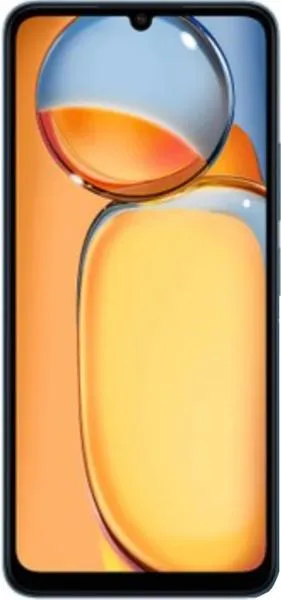
1. Specifications Comparison
| Feature | Huawei nova 11 Pro | Xiaomi Poco C65 | Practical Impact |
|---|---|---|---|
| Design | |||
| Dimensions (mm) | 164.3 x 74.4 x 7.9 | 168 x 78 x 8.1 | Poco C65 is slightly larger and thicker. |
| Weight (g) | 188 | 192 | Negligible weight difference. |
| Build Material | Not specified | Not specified | Cannot compare build quality and durability. |
| Display | |||
| Display Type | OLED | IPS LCD | Nova 11 Pro offers significantly better contrast, deeper blacks, and potentially brighter colors. |
| Display Size (inches) | 6.78 | 6.74 | Virtually identical screen sizes. |
| Resolution | 1200 x 2652 | 720 x 1600 | Nova 11 Pro has a much sharper display, resulting in crisper text and images. |
| Refresh Rate (Hz) | 120 | 90 | Nova 11 Pro will deliver smoother animations and scrolling. |
| Pixel Density (PPI) | 429 | 260 | Nova 11 Pro's significantly higher PPI translates to sharper details. |
| Performance | |||
| Chipset | Snapdragon 778G 4G (6nm) | Helio G85 (12nm) | Nova 11 Pro's processor is more powerful and efficient, leading to better performance and potentially longer battery life. |
| CPU | Octa-core (4x2.4 GHz & 4x1.8 GHz) | Octa-core (2x2.0 GHz & 6x1.8 GHz) | Nova 11 Pro offers better multi-core performance for demanding tasks. |
| GPU | Adreno 642L | Mali-G52 MC2 | Nova 11 Pro's GPU is significantly more powerful, offering better gaming and graphics performance. |
| RAM (GB) | 6/8/12 | 4/6/8 | More RAM options available for Nova 11 Pro, allowing for better multitasking. |
| Camera | |||
| Main Camera (MP) | 50 | 50 | Similar megapixel count, but image quality depends on sensor and processing. |
| Front Camera (MP) | 60 + 8 | 8 | Nova 11 Pro boasts a much higher resolution front camera and a dedicated depth sensor. |
| Video Recording | 720p@960fps | 1080p@30fps | Nova 11 Pro can capture super slow-motion video, while Poco C65 is limited to standard 1080p. |
| Battery | |||
| Capacity (mAh) | 4500 | 5000 | Poco C65 has a larger battery capacity, potentially offering longer battery life. However, real-world usage will depend on other factors like display and processor efficiency. |
| Charging Speed | Not specified | Not specified | Cannot compare charging speeds. |
2. Key Differences Analysis
Huawei nova 11 Pro Advantages:
- Superior Display: OLED technology with higher resolution, refresh rate, and pixel density delivers a significantly better visual experience.
- More Powerful Performance: Snapdragon 778G chipset and Adreno 642L GPU offer smoother performance for demanding tasks and gaming.
- Higher-Resolution Front Camera: 60MP selfie camera with a dedicated depth sensor allows for high-quality self-portraits.
- Super Slow-Motion Video: Capable of recording 720p video at 960fps.
Xiaomi Poco C65 Advantages:
- Larger Battery: 5000 mAh battery potentially provides longer battery life.
- Lower Price: Significantly more affordable than the Nova 11 Pro.
Trade-offs:
- Nova 11 Pro: Higher price for premium features. Lack of specified OS details raises concerns about software support and app availability.
- Poco C65: Lower resolution display, less powerful processor, and basic camera features to achieve affordability.
3. User Profiles & Recommendations
Huawei nova 11 Pro: Ideal for users who prioritize display quality, performance, and camera capabilities. Suitable for photography enthusiasts, mobile gamers, and those who consume multimedia content frequently.
Xiaomi Poco C65: Best suited for budget-conscious users who prioritize battery life and basic functionality. A good option for those who primarily use their phone for calling, texting, browsing, and light social media usage.
4. Decision Framework
Key Questions for Buyers:
- What is your budget? The Poco C65 is significantly cheaper.
- What are your primary phone usage patterns? The Nova 11 Pro excels in multimedia consumption and gaming, while the Poco C65 is sufficient for basic tasks.
- How important is display quality and camera performance? The Nova 11 Pro offers a vastly superior experience in these areas.
My Choice: Huawei nova 11 Pro
While the lack of OS details is a concern, the Huawei nova 11 Pro offers a significantly better overall user experience. The superior display, powerful performance, and advanced camera capabilities outweigh the price difference for me. I prioritize a smooth and enjoyable user experience, and the Nova 11 Pro delivers that with its OLED screen, high refresh rate, and capable processor. I am willing to invest more for these premium features. However, if budget is a major constraint and basic functionality is sufficient, the Poco C65 is a viable option. I would strongly recommend researching the current state of Huawei's app ecosystem before committing to the Nova 11 Pro due to the missing OS information.
