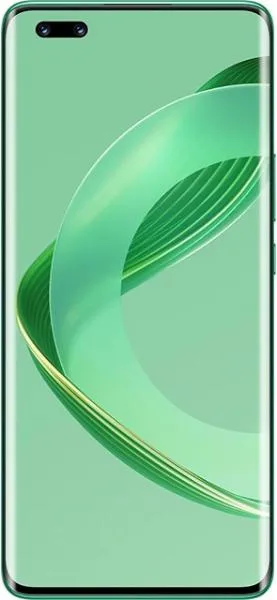
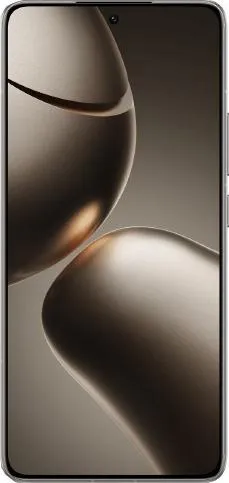
1. Specifications Comparison
| Feature | Huawei nova 11 Pro | Xiaomi 14T Pro | Practical Impact |
|---|---|---|---|
| Design | |||
| Dimensions (mm) | 164.3 x 74.4 x 7.9 | 160.4 x 75.1 x 8.4 | Xiaomi 14T Pro is slightly shorter and wider, but thicker. Negligible difference in everyday use. |
| Weight (g) | 188 | 209 | Nova 11 Pro is noticeably lighter, reducing hand fatigue during extended use. |
| Display | |||
| Display Type | OLED | AMOLED | Both offer excellent contrast and deep blacks. |
| Display Size (inches) | 6.78 | 6.67 | Negligible size difference. |
| Resolution | 1200 x 2652 | 1220 x 2712 | Both are sharp, but Xiaomi has a slightly higher pixel density. |
| Refresh Rate (Hz) | 120 | 144 | Xiaomi 14T Pro offers smoother scrolling and animations, especially noticeable in gaming and fast-paced content. |
| Peak Brightness (nits) | 950 | 4000 | Xiaomi's significantly higher peak brightness ensures better visibility in direct sunlight. |
| HDR | HDR10 | HDR10+, Dolby Vision | Xiaomi supports wider HDR formats for a better video streaming experience with compatible content. |
| Performance | |||
| Chipset | Snapdragon 778G 4G (6nm) | Dimensity 9300+ (4nm) | Xiaomi's newer and more powerful processor provides significantly better performance for demanding tasks and gaming. |
| CPU | Octa-core (4x2.4 GHz & 4x1.8 GHz) | Octa-core (1x3.4 GHz & 3x2.85 GHz & 4x2.0 GHz) | Xiaomi has a much more powerful CPU architecture. |
| GPU | Adreno 642L | Immortalis-G720 MC12 | Xiaomi offers significantly superior graphics performance for gaming. |
| RAM (GB) | 6/8/12 | 12 | Xiaomi offers more RAM in this comparison, enhancing multitasking and app loading speeds. |
| Camera | |||
| Main Camera (MP) | 50 | 50 | Comparable resolution, but practical image quality depends on sensor size, aperture, and software processing (not fully detailed here). Xiaomi uses a larger sensor (1/1.31" vs unknown for Huawei), potentially capturing more light. |
| Ultrawide (MP) | 8 | 12 | Xiaomi offers a higher resolution ultrawide camera. |
| Telephoto (MP) | None | 50 | Xiaomi has a dedicated telephoto lens for optical zoom, lacking in the Huawei. |
| Selfie Camera (MP) | 60 | 32 | Higher resolution on Huawei, but practical quality depends on other factors not detailed here. |
| Video Recording | 720p@960fps | Up to 8K@30fps | Xiaomi offers vastly superior video recording capabilities. |
| Battery | |||
| Capacity (mAh) | 4500 | 5000 | Xiaomi offers a larger battery, potentially lasting longer on a single charge. |
| OS | Not specified | Android 14 | Lack of OS information for Huawei hinders comparison. |
2. Key Differences Analysis
Huawei nova 11 Pro Advantages:
- Lighter: Easier to hold and use for extended periods.
- Potentially better selfie camera: Higher resolution, though image quality depends on unspecified factors.
Xiaomi 14T Pro Advantages:
- Significantly more powerful: Better performance for demanding tasks, gaming, and multitasking due to superior chipset, CPU, GPU, and RAM.
- Better display: Higher refresh rate for smoother visuals, much higher peak brightness for outdoor visibility, and wider HDR support.
- Superior camera system: Dedicated telephoto lens, higher resolution ultrawide, significantly better video recording capabilities, larger main camera sensor.
- Larger battery: Potentially longer battery life.
- Up-to-date OS: Android 14 offers the latest features and security updates.
Trade-offs:
- Xiaomi 14T Pro is heavier.
3. User Profiles & Recommendations
Huawei nova 11 Pro: Users prioritizing a lightweight phone for everyday use, potentially valuing selfie quality over overall camera versatility. Budget-conscious users might consider it if significantly cheaper.
Xiaomi 14T Pro: Users who demand high performance for gaming, content creation, or multitasking. Users who prioritize a bright, smooth display and a versatile camera system with excellent video recording.
4. Decision Framework
Key Questions for Buyers:
- What is your budget? The Xiaomi 14T Pro is likely more expensive.
- What are your primary use cases? (e.g., gaming, photography, social media, everyday communication).
- Which features are most important to you? (e.g., performance, camera quality, battery life, display quality).
My Choice: Xiaomi 14T Pro
Reasoning: The Xiaomi 14T Pro offers a significantly superior overall package. Its advantages in performance, display, camera system, and battery life outweigh the slight weight difference. The more powerful processor, better GPU, higher refresh rate display, and more versatile camera make it a future-proof choice for demanding users. While the Huawei nova 11 Pro might appeal to users prioritizing lightness and potentially selfie quality, the lack of key specifications, particularly regarding the OS, makes a comprehensive comparison challenging. The Xiaomi 14T Pro's clear advantages in crucial areas solidify it as the better option for most users. The significantly upgraded technology justifies the likely price difference for a phone that will likely remain relevant and performant for a longer period.
