
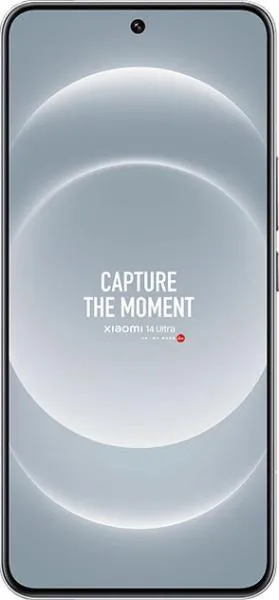
1. Specifications Comparison
| Feature | Huawei nova 11 Pro | Xiaomi 14 Ultra | Practical Impact |
|---|---|---|---|
| Design | |||
| Dimensions (H x W x D) | 164.3 x 74.4 x 7.9 mm | 161.4 x 75.3 x 9.2 mm | Xiaomi 14 Ultra is slightly shorter and wider, but noticeably thicker. Nova 11 Pro is significantly lighter. Impacts pocketability and handling. |
| Weight | 188g | 229.5g | Significant weight difference. Nova 11 Pro is much lighter for comfortable one-handed use, while the 14 Ultra will feel more substantial. |
| Display | |||
| Size | 6.78" | 6.73" | Negligible size difference. Both offer large, immersive displays. |
| Resolution | 1200 x 2652 | 1440 x 3200 | Xiaomi 14 Ultra has a sharper display with higher pixel density, resulting in crisper text and images. |
| Type | OLED | LTPO AMOLED | 14 Ultra's LTPO panel allows for dynamic refresh rate adjustment, potentially saving battery. |
| Refresh Rate | 120Hz | 120Hz | Both offer smooth scrolling and animations. |
| Peak Brightness | 950 nits | 3000 nits | Xiaomi 14 Ultra's significantly higher peak brightness ensures exceptional outdoor visibility. |
| Performance | |||
| Chipset | Snapdragon 778G 4G | Snapdragon 8 Gen 3 | Xiaomi 14 Ultra boasts a significantly more powerful processor, resulting in much faster performance for demanding tasks and gaming. |
| CPU | Octa-core (4x2.4 GHz & 4x1.8 GHz) | Octa-core (up to 3.3 GHz) | 14 Ultra's newer CPU architecture and higher clock speeds provide a significant performance advantage. |
| GPU | Adreno 642L | Adreno 750 | 14 Ultra's GPU offers significantly improved graphics performance for demanding games and applications. |
| RAM | 6/8/12GB (depending on version) | 12/16GB | 14 Ultra offers more RAM in its configurations, enabling better multitasking and smoother performance with memory-intensive applications. |
| Camera | |||
| Main Camera | 50MP f/1.9 | 50MP f/1.63-f/4.0 | 14 Ultra's variable aperture offers greater control over depth of field and low-light performance. Leica partnership suggests superior image quality. |
| Ultrawide | 8MP f/2.2 | 50MP f/1.8 | Massive difference in ultrawide resolution and quality, favoring the 14 Ultra. |
| Telephoto | None specified | 50MP (3.2x & 5x) | 14 Ultra offers two telephoto lenses for versatile zoom capabilities, a clear advantage. |
| Battery | |||
| Capacity | 4500 mAh | 5000 mAh | Xiaomi 14 Ultra has a larger battery capacity, potentially offering longer battery life. |
2. Key Differences Analysis
Huawei nova 11 Pro Advantages:
- Lighter and Thinner: Significantly more portable and comfortable for one-handed use.
- Lower Price: Typically more affordable.
Xiaomi 14 Ultra Advantages:
- Significantly More Powerful: Superior performance for demanding tasks and gaming.
- Higher Quality Display: Sharper, brighter, and more power-efficient due to LTPO technology.
- Superior Camera System: More versatile and higher quality camera system with variable aperture, dual telephoto lenses, and a high-resolution ultrawide.
- Larger Battery: Potentially longer battery life.
- Faster Charging and Data Transfer: USB 3.2 Gen 2 offers significantly faster speeds.
3. User Profiles & Recommendations
Huawei nova 11 Pro:
- Budget-conscious users: Prioritizing affordability and a lightweight design.
- Casual users: Primarily using their phone for social media, browsing, and light tasks.
- Users prioritizing portability: Preferring a lighter and thinner phone for easy carrying.
Xiaomi 14 Ultra:
- Power users: Demanding top-tier performance for gaming, multitasking, and demanding applications.
- Photography enthusiasts: Requiring a versatile and high-quality camera system.
- Users prioritizing display quality: Wanting the best possible viewing experience with high brightness and sharpness.
4. Decision Framework
Key Questions for Buyers:
- What is your budget? The Xiaomi 14 Ultra is significantly more expensive.
- What are your primary phone usage patterns? Casual users might find the Nova 11 Pro sufficient. Power users and photography enthusiasts will prefer the 14 Ultra.
- Do you prioritize portability or performance? The Nova 11 Pro is lighter and thinner, while the 14 Ultra offers much better performance.
My Choice: Xiaomi 14 Ultra
While the Huawei Nova 11 Pro offers a compelling lightweight design at a lower price point, the Xiaomi 14 Ultra is the clear winner for me. The significant leap in performance with the Snapdragon 8 Gen 3, coupled with the superior camera system and stunning display, justifies the higher price. The variable aperture main camera, dual telephoto lenses, and high-resolution ultrawide offer unmatched photographic versatility. The brighter display with LTPO technology enhances the user experience significantly. Although heavier, the overall package offered by the 14 Ultra provides a much more future-proof and premium smartphone experience. The performance difference alone would heavily influence my decision, as I value a smooth and responsive user experience for demanding tasks and multitasking.
