
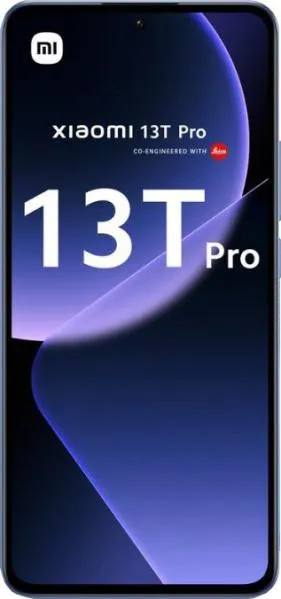
1. Specifications Comparison
| Feature | Huawei nova 11 Pro | Xiaomi 13T Pro | Practical Impact |
|---|---|---|---|
| Design | |||
| Dimensions (mm) | 164.3 x 74.4 x 7.9 | 162.2 x 75.7 x 8.5 | Xiaomi 13T Pro is slightly shorter and wider, but noticeably thicker. Nova 11 Pro feels more compact and pocketable. |
| Weight (g) | 188 | 200 | Noticeable difference in hand; Nova 11 Pro feels lighter and less fatiguing for extended use. |
| Display | |||
| Display Type | OLED, 120Hz | AMOLED, 144Hz | Both offer vibrant colors and deep blacks. 144Hz on the Xiaomi provides smoother animations and scrolling, especially noticeable in gaming. Xiaomi's claimed peak brightness of 2600 nits delivers superior outdoor visibility. |
| Display Size (inches) | 6.78 | 6.67 | Negligible difference in screen real estate. |
| Resolution | 1200 x 2652 | 1220 x 2712 | Xiaomi has a slightly higher resolution, but the difference in sharpness is minimal at this size. |
| HDR | HDR10 | HDR10+, Dolby Vision | Xiaomi supports wider HDR standards for more compatible content and potentially better dynamic range in supported videos. |
| Performance | |||
| Chipset | Snapdragon 778G 4G (6nm) | Dimensity 9200+ (4nm) | Xiaomi boasts a significantly more powerful processor, resulting in much faster performance in demanding tasks and gaming. Huawei's use of a 4G chipset limits connectivity. |
| CPU | Octa-core (4x2.4 GHz & 4x1.8 GHz) | Octa-core (1x3.35 GHz & 3x3.0 GHz & 4x2.0 GHz) | Xiaomi's CPU configuration and higher clock speeds translate to significantly improved multi-tasking and responsiveness. |
| GPU | Adreno 642L | Immortalis-G715 MC11 | Xiaomi offers a substantially more powerful GPU for a superior gaming experience and faster graphics rendering. |
| RAM | 8GB/12GB (China version specs unclear) | 12GB/16GB | Xiaomi offers more RAM in its base configuration, enabling better multitasking and smoother performance with many apps open. We lack clarity on the globally available RAM options for the Nova 11 Pro. |
| Camera | |||
| Main Camera | 50MP, f/1.9 | 50MP, f/1.9, Sony IMX707 | Both have 50MP main sensors, but Xiaomi uses the larger Sony IMX707 sensor known for excellent low-light performance. Detailed specifications lacking for Huawei's sensor makes in-depth comparison impossible. |
| Telephoto | No dedicated telephoto | 50MP, f/1.9, 2x Optical Zoom | Xiaomi offers a dedicated telephoto lens for optical zoom, enabling clearer zoomed-in shots compared to Huawei's digital zoom. |
| Ultrawide | 8MP, f/2.2 | 13MP, f/2.2 | Xiaomi offers a higher resolution ultrawide camera, likely capturing more detail and wider scenes. |
| Video | 720p@960fps | 8K@24fps | Xiaomi offers significantly better video recording capabilities, including 8K resolution. |
| Battery | |||
| Capacity | 4500 mAh | 5000 mAh | Larger battery in the Xiaomi should provide longer usage time on a single charge. |
| OS | Not specified | Android 13 | Missing OS details for the Huawei phone hinder comparison. While Android 13 is confirmed for the Xiaomi phone, potential software updates and user interface differences remain unknown without more information on the Huawei device. |
2. Key Differences Analysis
Xiaomi 13T Pro Advantages:
- Significantly more powerful: Dimensity 9200+ chipset and more RAM provide a huge performance advantage.
- Better display: Higher refresh rate, peak brightness, and wider HDR support.
- Superior camera system: Larger main sensor, dedicated telephoto lens, higher resolution ultrawide, and 8K video recording.
- Larger battery: 5000 mAh battery offers longer battery life.
- Confirmed OS and potential for updates: Starts with Android 13 and likely to receive future updates.
Huawei nova 11 Pro Advantages:
- Lighter and more compact: Noticeably thinner and lighter, making it more pocketable and comfortable for one-handed use.
3. User Profiles & Recommendations
Xiaomi 13T Pro: Ideal for users who prioritize performance, gaming, photography (especially low light and zoom), and long battery life. Content creators will appreciate the 8K video recording.
Huawei nova 11 Pro: Best suited for users who value a lightweight and compact design above all else. Good for users primarily focused on basic tasks and moderate media consumption. The lack of 5G and unspecified OS details raise concerns about future-proofing.
4. Decision Framework
Key Questions for Buyers:
- What is your budget and what are your performance needs? The Xiaomi 13T Pro offers significantly better performance but might be slightly more expensive.
- Is 5G connectivity crucial? The Xiaomi 13T Pro offers 5G, while the Huawei nova 11 Pro is limited to 4G.
- Do you prioritize portability and one-handed use? The Huawei nova 11 Pro is lighter and more compact.
My Choice: Xiaomi 13T Pro
The Xiaomi 13T Pro is the clear winner for me. While the Huawei Nova 11 Pro offers a more compact design, the Xiaomi's significant advantages in performance, display, camera, and battery life are far more compelling. The lack of 5G and unspecified OS details for the Nova 11 Pro are major drawbacks in today's market. The Xiaomi 13T Pro offers a much more well-rounded and future-proof package. Even if the Nova 11 Pro were significantly cheaper, the compromises in core functionality would be difficult to justify for most users.
