1. Specifications Comparison
| Feature | Huawei nova 11 Pro | Xiaomi 13T | Practical Impact |
|---|---|---|---|
| Design | |||
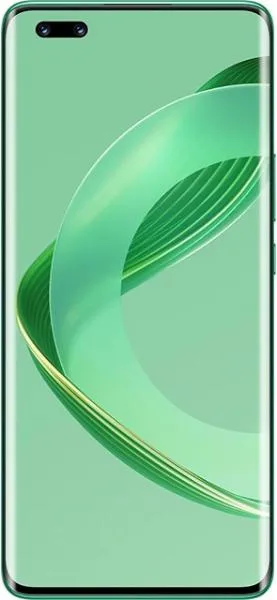
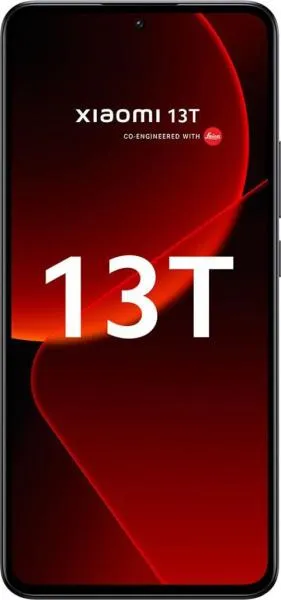
| Dimensions (mm) | 164.3 x 74.4 x 7.9 | 162.2 x 75.7 x 8.5 | Xiaomi 13T is slightly shorter and wider, but noticeably thicker. Nova 11 Pro feels more premium due to slimmer profile. |
| Weight (g) | 188 | 219 | Nova 11 Pro is significantly lighter, making it more comfortable for extended use. |
| Display | |||
| Display Type | OLED | AMOLED | Both offer excellent contrast and vibrant colors, but AMOLED generally consumes less power. |
| Display Size (inches) | 6.78 | 6.67 | Negligible difference in screen real estate. |
| Resolution | 1200 x 2652 | 1220 x 2712 | Xiaomi 13T has a slightly higher resolution, resulting in marginally sharper text and images. |
| Refresh Rate (Hz) | 120 | 144 | Xiaomi 13T offers smoother scrolling and animations thanks to the higher refresh rate. Noticeable in games and fast-paced UI interactions. |
| Peak Brightness (nits) | 950 | 2600 | Xiaomi 13T offers significantly higher peak brightness, making it much more usable in direct sunlight. |
| Performance | |||
| Chipset | Snapdragon 778G 4G (6 nm) | Dimensity 8200 Ultra (4 nm) | Xiaomi 13T's Dimensity 8200 Ultra offers significantly better performance in demanding tasks and gaming due to a more powerful CPU and GPU. |
| CPU | Octa-core (4x2.4 GHz & 4x1.8 GHz) | Octa-core (1x3.1 GHz & 3x3.0 GHz & 4x2.0 GHz) | Xiaomi 13T boasts a faster and more efficient CPU architecture, leading to snappier performance. |
| GPU | Adreno 642L | Mali-G610 MC6 | Xiaomi 13T has a more powerful GPU, translating to smoother gaming and faster graphics rendering. |
| RAM (GB) | 8/12 | 8/12 | Both offer ample RAM for multitasking, although specific configurations may vary. |
| Camera | |||
| Main Camera (MP) | 50 | 50 | Both have high-resolution main sensors, but image quality depends on sensor size, aperture, and processing. Xiaomi 13T utilizes the larger Sony IMX707 sensor known for good low-light performance. |
| Telephoto | No dedicated telephoto | 50MP Telephoto | Xiaomi 13T offers optical zoom capabilities for better zoomed-in shots. |
| Ultrawide (MP) | 8 | 13 | Xiaomi 13T has a higher resolution ultrawide camera, capturing more detail in wider shots. |
| Battery | |||
| Capacity (mAh) | 4500 | 5000 | Xiaomi 13T offers longer battery life due to its larger battery capacity. |
2. Key Differences Analysis
Xiaomi 13T Advantages:
- Superior Performance: The Dimensity 8200 Ultra significantly outperforms the Snapdragon 778G, providing a smoother and more responsive experience, especially in demanding tasks and gaming.
- Brighter Display: The significantly brighter display makes it easier to use outdoors.
- Better Camera System: Offers a dedicated telephoto lens for optical zoom, a higher resolution ultrawide lens, a larger main sensor (Sony IMX707), and optical image stabilization.
- Larger Battery: The 5000 mAh battery provides longer usage time.
- Faster refresh rate: Smoother scrolling and more responsive gaming experience thanks to the 144Hz display.
Huawei nova 11 Pro Advantages:
- Lighter and Slimmer Design: More comfortable to hold and carry.
- Faster Charging: While not specified in detail, Huawei typically offers faster charging solutions.
3. User Profiles & Recommendations
Xiaomi 13T: Ideal for users who prioritize performance, camera quality, battery life, and a bright display. Suitable for mobile gaming, photography enthusiasts, and heavy users.
Huawei nova 11 Pro: Suitable for users who value a slim and lightweight design and prioritize aesthetics. Good for everyday tasks, social media, and light gaming.
4. Decision Framework
Key Questions for Buyers:
- What is your budget? Both are mid-range, but specific pricing should be compared.
- What are your primary use cases? Gaming, photography, or general use?
- Do you prioritize performance or design?
Scenario-Based Recommendations:
- Gamer: Xiaomi 13T due to its superior performance and higher refresh rate display.
- Photographer: Xiaomi 13T due to its versatile camera system with optical zoom and larger sensor.
- Casual User: Either phone would suffice, but the Huawei nova 11 Pro might be preferred for its lighter weight and sleeker design.
My Choice: Xiaomi 13T
While the Huawei Nova 11 Pro offers a sleek design, the Xiaomi 13T provides a significantly better overall package. The performance difference between the Dimensity 8200 Ultra and the Snapdragon 778G is substantial, impacting everyday use and especially gaming. The superior camera system with optical zoom, a larger main sensor and OIS, along with the brighter display and larger battery, make the Xiaomi 13T a more versatile and future-proof choice. The slightly thicker and heavier build is a minor trade-off for the significant performance and feature advantages.
