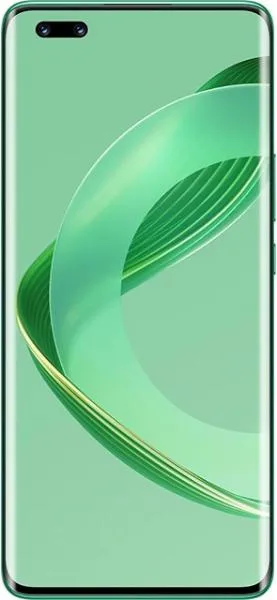
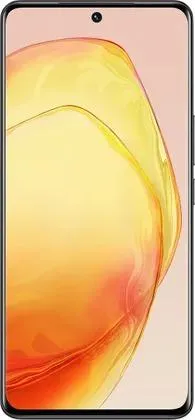
1. Specifications Comparison
| Feature | Huawei nova 11 Pro | vivo V29 | Practical Impact |
|---|---|---|---|
| Design | |||
| Dimensions (mm) | 164.3 x 74.4 x 7.9 | 164.2 x 74.4 x 7.5 | Virtually identical dimensions, minimal difference in hand feel. Vivo V29 slightly thinner. |
| Weight (g) | 188 | 186 | Negligible weight difference. |
| Display | |||
| Type | OLED | AMOLED | Both offer vibrant colors and deep blacks. |
| Size (inches) | 6.78 | 6.78 | Same screen size. |
| Resolution | 1200 x 2652 | 1260 x 2800 | Vivo V29 has a slightly higher resolution, resulting in marginally sharper text and images. |
| Refresh Rate (Hz) | 120 | 120 | Both offer smooth scrolling and animations. |
| Peak Brightness (nits) | 950 | 1300 | Vivo V29 significantly brighter, improving outdoor visibility. |
| HDR | HDR10 | HDR10+ | Vivo V29 supports a slightly wider dynamic range for compatible content. |
| Performance | |||
| Chipset | Snapdragon 778G 4G | Snapdragon 778G+ 5G | Vivo V29 has a slightly improved version of the same chipset and offers 5G connectivity, enabling faster download/upload speeds and improved network latency where available. Huawei lacks 5G. |
| CPU | Octa-core (4x2.4 GHz & 4x1.8 GHz) | Octa-core (1x2.4 GHz & 3x2.2 GHz & 4x1.9 GHz) | Minor performance differences, likely negligible in everyday use. |
| GPU | Adreno 642L | Adreno 642L | Same GPU performance. |
| RAM (GB) | 6/8/12 (depending on Version) | 8/12 (depending on Version) | Vivo V29 offers more RAM in its base model, benefiting multitasking. |
| OS | Unknown | Android 13 | Significant difference. Vivo runs on a widely supported OS with access to Google Play Store. Lack of OS information for Huawei makes comparison difficult; it likely uses its own HarmonyOS, which lacks Google services. |
| Camera | |||
| Rear Cameras | 50MP Main, 8MP Wide + Macro | 50MP Main, 8MP Wide, 2MP Macro | Similar main camera setup. Vivo adds a dedicated macro lens, but its low resolution might offer limited benefit. |
| Front Camera | 60MP Main, 8MP Depth | 50MP Main | Both have high-resolution selfie cameras. Huawei adds a depth sensor for potentially improved portrait mode. |
| Video | 720p@960fps | 4K@30fps, 1080p@30fps | Vivo V29 offers significantly better video recording capabilities with 4K resolution. Huawei only lists a high frame rate 720p mode, which is unusual. |
| Battery | |||
| Capacity (mAh) | 4500 | 4600 | Vivo V29 has a slightly larger battery, potentially offering longer usage time. |
2. Key Differences Analysis
Huawei nova 11 Pro Advantages:
- Higher resolution front camera: Potentially better for detailed selfies.
- Potentially faster slow-motion video: 960fps at 720p, although limited to that resolution.
- Front depth sensor: May provide better portrait mode effects.
vivo V29 Advantages:
- 5G Connectivity: Future-proofs the device and enables faster data speeds.
- Brighter Display: Much better outdoor visibility.
- Higher Resolution Display: Sharper visuals.
- More RAM in Base Model: Improved multitasking performance.
- Wider OS Support & Google Services: Access to a vast app ecosystem and familiar user interface.
- 4K Video Recording: Significantly better video quality.
3. User Profiles & Recommendations
Huawei nova 11 Pro: Users prioritizing high-resolution selfies and who are comfortable navigating a non-standard OS without Google services. Its value proposition is severely hampered by the lack of 5G and unclear OS situation.
vivo V29: Users who value a well-rounded experience with 5G connectivity, excellent display, good performance, and access to the full Android ecosystem. Suitable for most general users, gamers, and content consumers.
4. Decision Framework
Key Questions for Buyers:
- Is 5G connectivity essential? If yes, the Vivo V29 is the only option.
- Is access to Google services (Play Store, Gmail, etc.) crucial? If yes, the Vivo V29 is essential.
- What is your budget and prioritization of features (camera, performance, display)? The Vivo V29 offers better value overall due to its superior feature set.
My Choice: vivo V29
The vivo V29 is the clear winner due to its 5G connectivity, confirmed Android OS with Google services, brighter and higher resolution display, superior video recording capabilities, and a slightly larger battery. While the Huawei nova 11 Pro boasts a higher resolution front camera and potentially faster slow-motion, the lack of crucial information regarding its operating system and the absence of 5G make it a risky choice. The Vivo V29 provides a more comprehensive and future-proof package for most users. The price difference further solidifies the Vivo V29 as the better value proposition.
