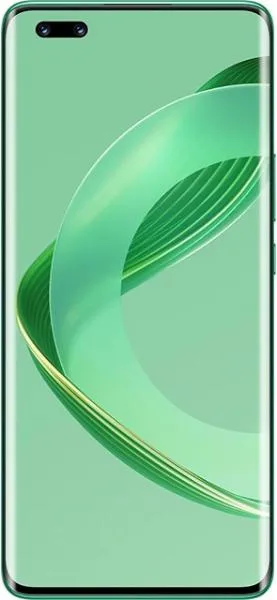
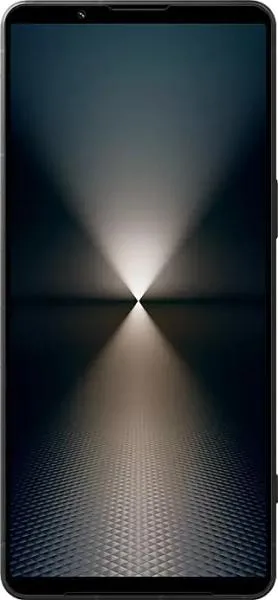
1. Specifications Comparison
| Feature | Huawei nova 11 Pro | Sony Xperia 1 VI | Practical Impact |
|---|---|---|---|
| Design | |||
| Dimensions (mm) | 164.3 x 74.4 x 7.9 | 162 x 74 x 8.2 | Xperia 1 VI is slightly shorter and thicker. Negligible difference in daily use. |
| Weight (g) | 188 | 192 | Xperia 1 VI is slightly heavier, but the difference is minimal. |
| Build Material | Not specified | Not specified | Cannot compare without information. |
| Display | |||
| Display Type | OLED | LTPO OLED | LTPO allows for dynamic refresh rate, potentially saving battery on the Xperia. |
| Display Size (inches) | 6.78 | 6.5 | Nova 11 Pro has a larger display, better for media consumption. |
| Resolution | 1200 x 2652 | 1080 x 2340 | Nova 11 Pro has a significantly sharper display. |
| Refresh Rate (Hz) | 120 | 120 | Both offer smooth scrolling and animations. |
| PPI | 429 | 396 | Nova 11 Pro's display is noticeably sharper due to higher pixel density. |
| Performance | |||
| Chipset | Snapdragon 778G 4G (6 nm) | Snapdragon 8 Gen 3 (4 nm) | Xperia 1 VI has a significantly more powerful processor, resulting in much faster performance and better multitasking. |
| CPU | Octa-core (4x2.4 GHz & 4x1.8 GHz) | Octa-core (1x3.3 GHz & 3x3.2 GHz & 2x3.0 GHz & 2x2.3 GHz) | Xperia's CPU is considerably faster and more efficient. |
| GPU | Adreno 642L | Adreno 750 | Xperia will offer significantly better gaming and graphics performance. |
| RAM | 6/8/12 GB | 12 GB | Xperia 1 VI offers more RAM in its base configuration, enabling better multitasking. |
| Storage | 128/256/512 GB | 256/512 GB | Comparable storage options. |
| Camera | |||
| Rear Camera | 50MP + 8MP | 48MP + 12.2MP + 12MP | Xperia 1 VI offers a triple camera system with a dedicated telephoto lens, enabling optical zoom. Nova 11 Pro only offers digital zoom with its secondary lens. |
| Front Camera | 60MP + 8MP | 12MP | Nova 11 Pro boasts higher resolution front camera, but megapixels don't guarantee better image quality. Xperia focuses on sensor quality. |
| Video Recording | 720p@960fps | Up to 4K@120fps | Xperia 1 VI offers vastly superior video recording capabilities with higher resolution and frame rates. |
| Battery | |||
| Capacity (mAh) | 4500 | 5000 | Xperia 1 VI has a larger battery capacity, potentially lasting longer. |
| Charging Speed | Not specified | Not specified | Cannot compare without information. |
2. Key Differences Analysis
Huawei nova 11 Pro Advantages:
- Sharper Display: Significantly higher resolution and PPI.
- Higher Resolution Front Camera: Potentially better for detailed selfies, though real-world performance depends on other factors.
- Lighter and Thinner: More comfortable for one-handed use.
Sony Xperia 1 VI Advantages:
- Significantly More Powerful: Snapdragon 8 Gen 3 offers a massive performance leap.
- Superior Camera System: Triple camera setup with optical zoom and advanced features.
- Larger Battery: Potentially longer battery life.
- LTPO Display: More power efficient.
- More RAM: Better for multitasking and future-proofing.
- Faster USB Standard (3.2 vs 2.0): Faster data transfer speeds.
- Video Output: Can connect to external displays.
3. User Profiles & Recommendations
Huawei nova 11 Pro: Users prioritizing a sharp display for media consumption, casual gaming, and selfies, who are on a tighter budget.
Sony Xperia 1 VI: Users who demand top-tier performance for demanding tasks, gaming, professional photography/videography, and future-proofing.
4. Decision Framework
Key Questions:
- What is your budget? The Xperia 1 VI is significantly more expensive.
- What are your primary use cases? Gaming, photography, and demanding tasks favor the Xperia. Media consumption and casual use might favor the Nova 11 Pro's display.
- How important is future-proofing? The Xperia 1 VI's superior hardware offers better longevity.
My Choice: Sony Xperia 1 VI
While the Huawei nova 11 Pro offers a compelling display, the Sony Xperia 1 VI is the superior device overall. The significantly faster processor, better camera system with optical zoom, larger battery, LTPO display, and more RAM make it a clear winner for my needs. I prioritize performance, future-proofing, and a versatile camera, and the Xperia 1 VI delivers in all these areas. The higher price is justified by the significant improvements in key areas. While the Nova 11 Pro might be a good option for budget-conscious users focused on display quality, the Xperia 1 VI is a better long-term investment for a power user. The ability to connect to an external display is also a significant advantage for productivity.
