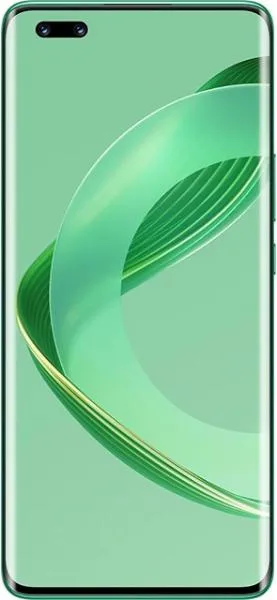

1. Specifications Comparison
| Feature | Huawei nova 11 Pro | Samsung Galaxy Tab S9 FE+ | Practical Impact |
|---|---|---|---|
| Design | |||
| Dimensions (mm) | 164.3 x 74.4 x 7.9 | 285.4 x 185.4 x 6.5 | Nova 11 Pro is a typical smartphone size; Tab S9 FE+ is a large tablet. Portability significantly differs. |
| Weight (g) | 188 | 627 | Nova 11 Pro is much lighter and easier to hold for extended periods. Tab S9 FE+ is better suited for desk/lap use. |
| Display | |||
| Size (inches) | 6.78 | 12.4 | Larger screen of the Tab S9 FE+ offers better media consumption and multitasking but reduced portability. |
| Resolution | 1200 x 2652 | 2560 x 1600 | Despite lower pixel density (243 vs 429 ppi), Tab S9 FE+'s larger size provides more screen real estate. Nova 11 Pro will have sharper text and images. |
| Type | OLED, 120Hz | IPS LCD, 90Hz | Nova 11 Pro's OLED offers deeper blacks, vibrant colors, and smoother scrolling due to the higher refresh rate. Tab S9 FE+'s LCD might have better color accuracy in some cases. |
| Performance | |||
| Chipset | Snapdragon 778G 4G | Exynos 1380 5G | Both are mid-range chipsets. Exynos 1380 generally benchmarks slightly higher but real-world performance differences might be negligible for average users. Tab S9 FE+ has 5G connectivity. |
| RAM | 6/8/12GB | 8/12GB | More RAM options in the Nova 11 Pro cater to varying needs. 8GB+ is sufficient for most tasks on both devices. |
| OS | Unknown | Android 13 | Lack of OS information for the Nova 11 Pro hinders comparison. Android 13 on Tab S9 FE+ offers established features and ecosystem. |
| Camera | |||
| Rear Camera | 50MP + 8MP | 12MP + 8MP | Nova 11 Pro boasts a higher resolution primary sensor, potentially capturing more detail. Practical image quality depends on sensor size and processing, which are unknown for both. |
| Front Camera | 60MP + 8MP | 8MP | Significantly higher resolution on Nova 11 Pro suggests superior selfie capabilities. |
| Battery | |||
| Capacity (mAh) | 4500 | 10090 | Much larger battery in the Tab S9 FE+ results in significantly longer battery life, crucial for a tablet. |
2. Key Differences Analysis
Huawei nova 11 Pro Advantages:
- More portable: Smaller size and lighter weight make it ideal for on-the-go use.
- Superior display: OLED with 120Hz refresh rate offers a visually immersive experience.
- Higher resolution cameras: Potentially better image and video quality, especially for selfies.
Samsung Galaxy Tab S9 FE+ Advantages:
- Larger screen: Better for multitasking, media consumption, and creative tasks.
- Significantly longer battery life: Essential for extended use without frequent charging.
- 5G Connectivity: Faster mobile data speeds and improved network reliability in covered areas.
- Confirmed OS: Android 13 provides a familiar and well-supported platform.
Trade-offs:
- Portability vs. Screen Size: Nova 11 Pro prioritizes portability while Tab S9 FE+ maximizes screen real estate.
- Battery life vs. Thinness: Tab S9 FE+'s larger battery results in a thicker and heavier device.
3. User Profiles & Recommendations
Huawei nova 11 Pro: Ideal for users who prioritize portability, a premium display, and strong camera performance. Suitable for social media enthusiasts, mobile photographers, and those who prefer a one-handed device.
Samsung Galaxy Tab S9 FE+: Best suited for users who need a large screen for productivity, media consumption, or creative work. Good for students, artists, and anyone who values long battery life.
4. Decision Framework
Key Questions:
- What is your primary use case? (e.g., communication, media consumption, productivity)
- How important is portability? (e.g., pocket-friendly vs. comfortable for lap use)
- What is your budget? (Consider the price difference between the two devices).
Scenario-Based Recommendations:
- Frequent traveler: Huawei nova 11 Pro for its portability and strong camera.
- Student needing a device for note-taking and media consumption: Samsung Galaxy Tab S9 FE+ for its large screen and long battery life.
My Choice: Samsung Galaxy Tab S9 FE+
While the Nova 11 Pro offers a compelling combination of portability and a great display, the Samsung Galaxy Tab S9 FE+ better suits my needs. I prioritize a large screen for productivity and media consumption, and the significantly longer battery life is crucial. The confirmed Android OS and 5G connectivity further solidify my choice. While I acknowledge the trade-off in portability, the benefits of the larger screen and battery outweigh the inconvenience for my usage pattern. The lack of detailed OS information for the Nova 11 Pro is also a concern.
