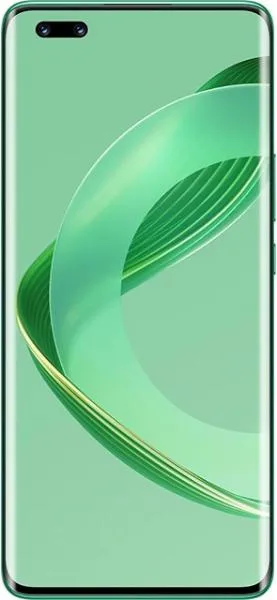
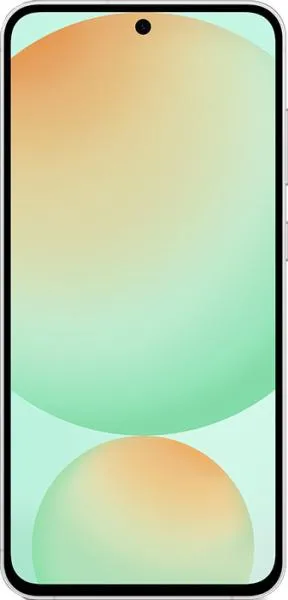
1. Specifications Comparison
| Feature | Huawei nova 11 Pro | Samsung Galaxy S24 FE | Practical Impact |
|---|---|---|---|
| Design | |||
| Dimensions (mm) | 164.3 x 74.4 x 7.9 | 162 x 77.3 x 8 | S24 FE slightly wider, Nova 11 Pro slightly taller and thinner |
| Weight (g) | 188 | 213 | Nova 11 Pro noticeably lighter, potentially more comfortable for extended use |
| Display | |||
| Display Type | OLED, 120Hz | Dynamic AMOLED 2X, 120Hz | Both offer smooth scrolling and animations; AMOLED generally offers better contrast |
| Display Size (inches) | 6.78 | 6.7 | Negligible size difference |
| Resolution | 1200 x 2652 | 1080 x 2340 | Nova 11 Pro sharper due to higher pixel density; impacts image clarity and text crispness |
| Peak Brightness (nits) | 950 | 1900 | S24 FE significantly brighter, crucial for outdoor visibility |
| Performance | |||
| Chipset | Snapdragon 778G 4G (6nm) | Exynos 2400e (4nm) | Exynos 2400e theoretically more powerful due to newer architecture and smaller process node, but real-world performance depends on optimization |
| CPU | Octa-core (4x2.4 GHz & 4x1.8 GHz) | Deca-core (1x3.1 GHz + 2x2.9 GHz + 3x2.6 GHz + 4x1.95 GHz) | S24 FE likely has better multi-core performance for demanding tasks |
| GPU | Adreno 642L | Xclipse 940 | Xclipse 940 expected to offer superior graphics performance for gaming |
| RAM | 6GB | 8GB | S24 FE offers more RAM for multitasking and smoother performance with many apps open |
| Camera | |||
| Rear Camera | 50MP (wide) + 8MP (ultrawide) | 50MP (wide) + 13MP (ultrawide) + 8MP (telephoto) | S24 FE offers greater versatility with a dedicated telephoto lens for optical zoom |
| Front Camera | 60MP + 8MP | 10.8MP | Higher megapixel count on Nova 11 Pro doesn't guarantee better image quality; sensor size and processing are crucial |
| Video Recording | 720p@960fps | Up to 8K@30fps | S24 FE offers much higher resolution video recording capabilities |
| Battery | |||
| Capacity (mAh) | 4500 | 4700 | S24 FE has slightly larger battery capacity, potentially longer battery life |
| Charging Speed | Not specified | Not specified | Cannot compare without specific charging speeds |
2. Key Differences Analysis
Huawei nova 11 Pro Advantages:
- Lighter and slimmer design: More comfortable for one-handed use and portability.
- Sharper display: Provides more detail in images and text.
Samsung Galaxy S24 FE Advantages:
- Brighter display: Much better outdoor visibility.
- More powerful processor and GPU: Expected to deliver smoother performance for demanding tasks and gaming.
- More RAM: Better multitasking capabilities.
- More versatile camera system: Telephoto lens enables optical zoom.
- Higher resolution video recording: Up to 8K.
- Larger battery: Potential for longer battery life.
- Wider 5G band support: More likely to connect to 5G networks in various regions.
Trade-offs:
- Nova 11 Pro: Lacks a telephoto lens and high-resolution video recording capabilities.
- S24 FE: Heavier and potentially more expensive.
3. User Profiles & Recommendations
Huawei nova 11 Pro:
- Ideal User: Users prioritizing a lightweight and stylish phone for everyday tasks, social media, and casual photography. Value conscious buyers.
- Use Cases: Web browsing, social media, casual photography, video calls.
Samsung Galaxy S24 FE:
- Ideal User: Users seeking a powerful and versatile phone for demanding tasks, mobile gaming, high-quality photography, and videography.
- Use Cases: Mobile gaming, content creation, professional photography, video recording.
4. Decision Framework
Key Questions for Buyers:
- What is your budget? The S24 FE is likely to be more expensive.
- What are your primary use cases? Consider whether you need the extra power and camera versatility of the S24 FE or if the lighter and more affordable Nova 11 Pro is sufficient.
- How important is 5G connectivity? The S24 FE offers broader 5G band support.
Scenario-Based Recommendations:
- Limited Budget, Casual Use: Nova 11 Pro
- Power User, Content Creator: S24 FE
- Prioritizes Portability and Style: Nova 11 Pro
- Prioritizes Performance and Versatility: S24 FE
My Choice: Samsung Galaxy S24 FE
While the Huawei Nova 11 Pro offers a compelling lightweight design and sharp display, the Samsung Galaxy S24 FE is the superior choice for me due to its significantly brighter display, more powerful processor and GPU, versatile camera system with a telephoto lens, larger battery, and broader 5G band support. The superior performance, camera capabilities, and future-proofing regarding 5G outweigh the slight increase in weight and potential price difference. The S24 FE offers a more well-rounded package for a wider range of demanding tasks and future-proof features.
