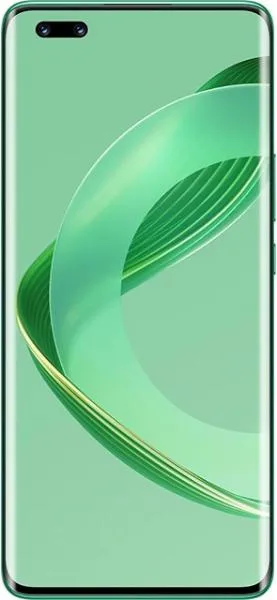
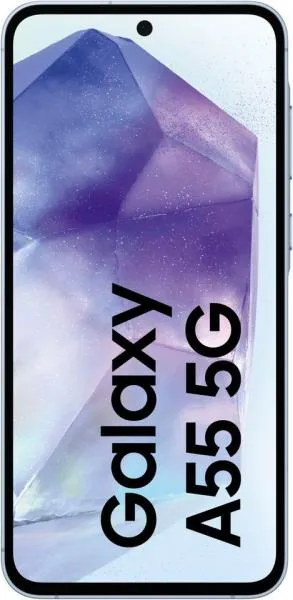
1. Specifications Comparison
| Feature | Huawei nova 11 Pro | Samsung Galaxy A55 | Practical Impact |
|---|---|---|---|
| Design | |||
| Dimensions (mm) | 164.3 x 74.4 x 7.9 | 161.1 x 77.4 x 8.2 | A55 slightly shorter, wider, and thicker. Nova 11 Pro likely feels more sleek in hand. |
| Weight (g) | 188 | 213 | Noticeable weight difference; Nova 11 Pro is significantly lighter for comfortable one-handed use. |
| Build | Not specified | Not specified | Build quality and materials unknown, impacting durability and premium feel. |
| Display | |||
| Display Type | OLED, 120Hz | Super AMOLED, 120Hz | Both offer smooth scrolling and vibrant colors. AMOLED generally consumes less power. |
| Display Size (inches) | 6.78 | 6.6 | Nova 11 Pro offers a slightly larger screen for more immersive content consumption. |
| Resolution | 1200 x 2652 | 1080 x 2340 | Nova 11 Pro has a sharper display with higher pixel density (429 ppi vs 390 ppi), resulting in crisper text and images. |
| HDR | HDR10 | HDR10+ | A55 supports the slightly improved HDR10+ standard for a wider dynamic range in supported content. |
| Performance | |||
| Chipset | Snapdragon 778G 4G (6nm) | Exynos 1480 (4nm) | Exynos 1480 built on a smaller node, potentially offering better power efficiency. Performance comparison difficult without benchmark scores. |
| CPU | Octa-core (4x2.4 GHz Kryo 670 & 4x1.8 GHz Kryo 670) | Octa-core (4x2.75 GHz Cortex-A78 & 4x2.0 GHz Cortex-A55) | A55 has faster prime cores (Cortex-A78 vs Kryo 670), potentially providing better performance in demanding tasks. |
| GPU | Adreno 642L | Xclipse 530 | GPU performance comparison requires benchmarks. Both should handle everyday tasks and moderate gaming well. |
| RAM | 6/8/12GB | 8/12GB | Both offer ample RAM for multitasking, but specific configurations impact performance. |
| OS | Not Specified | Android 14 | Lack of OS information for Nova 11 Pro hinders comparison regarding software features and updates. |
| Camera | |||
| Rear Camera | 50MP Main + 8MP Wide | 50MP Main + 13MP Wide + 5MP Macro | A55 offers a dedicated macro lens for close-up shots. |
| Front Camera | 60MP + 8MP Depth | 32MP | Nova 11 Pro features a higher resolution main selfie camera and a dedicated depth sensor. |
| Video Recording | 720p@960fps | 4K@30fps | A55 capable of higher resolution video recording, while Nova 11 Pro offers significantly higher frame rate slow-motion. |
| Optical Stabilization | No | Yes (Main Camera) | A55's OIS enables steadier videos and potentially better low-light photos. |
| Battery | |||
| Capacity | 4500 mAh | 5000 mAh | A55 boasts a larger battery capacity, likely resulting in longer battery life. |
2. Key Differences Analysis
Huawei nova 11 Pro Advantages:
- Lighter and Sleeker Design: More comfortable for one-handed use and potentially more pocketable.
- Sharper Display: Higher resolution for a more detailed viewing experience.
- Higher Resolution Selfie Camera: Potentially better quality selfies.
Samsung Galaxy A55 Advantages:
- Larger Battery: Potentially longer battery life.
- More Versatile Camera System: Dedicated macro lens and 4K video recording.
- Optical Image Stabilization: Improved low-light photos and steadier videos.
- Confirmed OS and Updates: Android 14 with guaranteed updates provides software support and security.
3. User Profiles & Recommendations
Huawei nova 11 Pro: Users prioritizing a lightweight, stylish design, a sharp display, and high-resolution selfies. Suitable for social media enthusiasts and those who value portability. Price needs careful consideration given the limited information on software and long-term support.
Samsung Galaxy A55: Users prioritizing battery life, camera versatility, and reliable software updates. Suitable for everyday users, content creators, and those who value long-term device support. Offers a good balance of features and price.
4. Decision Framework
Key Questions for Buyers:
- How important is software support and guaranteed updates?
- Is camera versatility or selfie quality a higher priority?
- Which factor matters more: battery life or a lightweight design?
Scenario-Based Recommendations:
- Prioritize Software and Long-term Use: Samsung Galaxy A55
- Value Style and Portability Over Battery Life: Huawei nova 11 Pro
My Choice: Samsung Galaxy A55
While the Huawei Nova 11 Pro boasts a sleek design and impressive display sharpness, the lack of clear information regarding the operating system and long-term software support is a major concern. The Samsung Galaxy A55, on the other hand, offers a compelling package with a versatile camera system, optical image stabilization, a larger battery, and the assurance of Android 14 with future updates. The A55's more comprehensive feature set, combined with confirmed software support, makes it a more reliable and future-proof choice for my needs. Even if the Nova 11 Pro had a slightly better processor, the lack of OS information makes it impossible to recommend confidently. A phone's software experience is crucial, and the A55 provides a clear advantage in this area.
