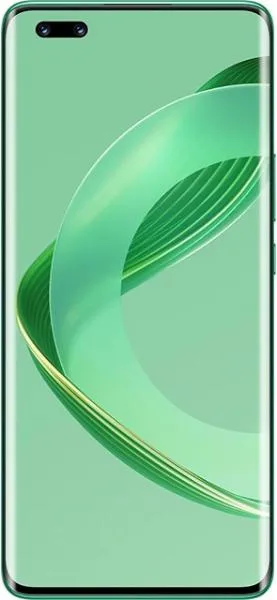
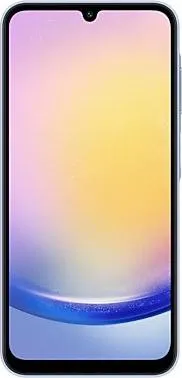
1. Specifications Comparison
| Feature | Huawei nova 11 Pro | Samsung Galaxy A25 | Practical Impact |
|---|---|---|---|
| Design | |||
| Dimensions (mm) | 164.3 x 74.4 x 7.9 | 161 x 76.5 x 8.3 | Nova 11 Pro is slightly taller and thinner. A25 is a bit wider and thicker. Negligible difference in everyday use. |
| Weight (g) | 188 | 197 | Nova 11 Pro is slightly lighter, but the difference (9g) is minimal. |
| Build Material | Missing | Missing | Cannot compare build quality and durability. |
| Display | |||
| Display Type | OLED | Super AMOLED | Both offer vibrant colors and deep blacks. OLED generally has slightly better contrast. |
| Size (inches) | 6.78 | 6.5 | Nova 11 Pro offers a larger screen for more immersive media consumption. |
| Resolution | 1200 x 2652 | 1080 x 2340 | Nova 11 Pro has a sharper display (429 ppi vs 396 ppi), noticeable in fine text and images. |
| Refresh Rate (Hz) | 120 | 120 | Both offer smooth scrolling and animations. |
| Performance | |||
| Chipset | Snapdragon 778G 4G (6nm) | Exynos 1280 (5nm) | Both are mid-range chipsets. Exynos 1280 being 5nm might be slightly more power efficient. Performance differences would depend on specific tasks and optimization. |
| CPU | Octa-core (4x2.4 GHz & 4x1.8 GHz) | Octa-core (2x2.4 GHz & 6x2.0 GHz) | Core configurations suggest similar performance, though benchmark comparisons would be needed. |
| GPU | Adreno 642L | Mali-G68 | Gaming performance differences would require benchmark comparisons. |
| RAM (GB) | 6/8/12 | 6/8 | More RAM options available for the Nova 11 Pro, allowing for better multitasking. |
| OS | Missing | Android 14 | Cannot compare OS features and user interface. |
| Camera | |||
| Rear Camera | 50MP Main, 8MP Wide | 50MP Main, 8MP Wide, 2MP Depth | A25 has a dedicated depth sensor, potentially improving portrait mode shots. Practical difference may be minimal. |
| Front Camera | 60MP Main, 8MP Depth | 13MP | Nova 11 Pro has a significantly higher resolution front camera, likely producing more detailed selfies. |
| Video Recording | 720p@960fps | 4K@30fps | Nova 11 Pro offers extreme slow-motion but lacks 4K recording, while A25 can record 4K but lacks high-speed slow-motion. |
| Battery | |||
| Capacity (mAh) | 4500 | 5000 | A25 has a larger battery, likely resulting in longer battery life. |
2. Key Differences Analysis
Huawei nova 11 Pro Advantages:
- Sharper Display: Higher resolution for clearer visuals.
- Higher Resolution Front Camera: Significantly better for selfies and video calls.
- Extreme Slow-Motion Video: Captures dramatic slow-motion footage.
- More RAM options: Better multitasking capabilities with higher RAM variants.
Samsung Galaxy A25 Advantages:
- Larger Battery: Potentially longer battery life.
- 4K Video Recording: Higher resolution video capture.
- Dedicated Depth Sensor: May slightly improve portrait mode photos.
- Confirmed OS Version: Ships with Android 14, providing the latest features and security updates.
3. User Profiles & Recommendations
Huawei nova 11 Pro: Ideal for users prioritizing a sharp display, high-quality selfies, and occasional slow-motion video capture. Social media enthusiasts and content creators who prioritize front camera quality would prefer this phone.
Samsung Galaxy A25: Suitable for users who value longer battery life, 4K video recording, and the latest Android features. Good for general users and those who prioritize battery life over screen sharpness or extreme slow-motion.
4. Decision Framework
Key Questions for Buyers:
- How important is battery life? If all-day battery life is crucial, the A25's larger battery is a significant advantage.
- Do you prioritize selfie quality or general video quality? Nova 11 Pro excels in selfies, while A25 offers 4K video recording.
- What is your budget and what features are must-haves? Consider the price difference and prioritize essential features.
My Choice: Samsung Galaxy A25
While the Huawei Nova 11 Pro offers a sharper display and superior selfie camera, the Samsung Galaxy A25 wins for me due to its larger battery, 4K video recording capability, and confirmed up-to-date Android OS. The lack of clear OS information for the Nova 11 Pro raises concerns about software support and features. Battery life and 4K video are more important to my personal use than a slightly sharper screen or extreme slow-motion. The A25 also appears to offer better value given its significantly lower price point, even though pricing can fluctuate. Finally, having a confirmed current OS version ensures security updates and access to the latest Android features.
