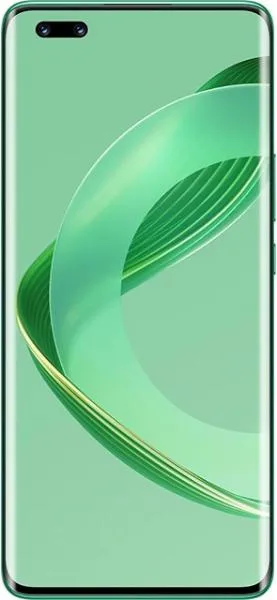
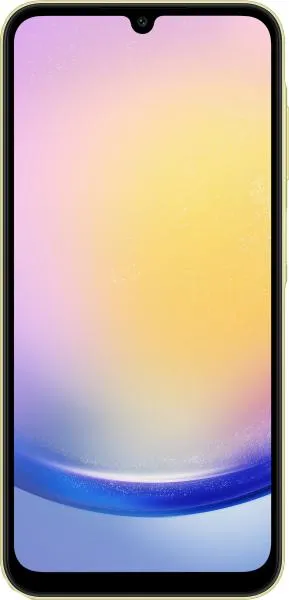
1. Specifications Comparison
| Feature | Huawei nova 11 Pro | Samsung Galaxy A15 | Practical Impact |
|---|---|---|---|
| Design | |||
| Dimensions (mm) | 164.3 x 74.4 x 7.9 | 160.1 x 76.8 x 8.4 | Nova 11 Pro is slightly taller and narrower, but thinner. A15 might feel slightly bulkier. |
| Weight (g) | 188 | 200 | Nova 11 Pro is noticeably lighter, improving one-handed use. |
| Display | |||
| Display Type | OLED | Super AMOLED | Both offer vibrant colors and deep blacks, but OLED generally consumes less power. |
| Display Size (inches) | 6.78 | 6.5 | Nova 11 Pro offers a larger screen for more immersive media consumption. |
| Resolution | 1200 x 2652 | 1080 x 2340 | Nova 11 Pro has a significantly sharper display, beneficial for detailed images and text. |
| Refresh Rate (Hz) | 120 | 90 | Nova 11 Pro's higher refresh rate results in smoother scrolling and animations. |
| Peak Brightness (nits) | 950 | 800 | Nova 11 Pro should be more visible in direct sunlight. |
| Performance | |||
| Chipset | Snapdragon 778G 4G (6 nm) | MediaTek Helio G99 (6nm) | Both are mid-range chipsets. Snapdragon 778G generally offers better GPU performance. |
| CPU | Octa-core (4x2.4 GHz & 4x1.8 GHz) | Octa-core (2x2.2 GHz & 6x2.0 GHz) | Performance differences likely negligible for everyday tasks, but benchmarks would clarify. |
| GPU | Adreno 642L | Mali-G57 MC2 | Adreno 642L generally provides a smoother gaming experience. |
| RAM (GB) | 6/8/12 | 4/6/8 | More RAM in certain Nova 11 Pro versions allows for better multitasking. |
| OS | Unknown | Android 14 | OS version for Nova 11 Pro is crucial for feature set and security updates, but it's missing. |
| Camera | |||
| Rear Camera | 50MP Main, 8MP Wide + Macro | 50MP Main, 5MP Wide, 2MP Macro | Similar main camera resolution, but Nova 11 Pro's macro capabilities are unclear. A15 offers a dedicated macro lens, potentially capturing better close-up shots. |
| Front Camera | 60MP Main, 8MP Depth | 13MP | Nova 11 Pro boasts a much higher resolution front camera for detailed selfies. |
| Video Recording | 720p@960fps | 1080p@30fps | Nova 11 Pro offers super slow-motion capabilities, while A15's video resolution is higher for standard recording. |
| Battery | |||
| Capacity (mAh) | 4500 | 5000 | Galaxy A15 has a larger battery, potentially lasting longer on a single charge. |
2. Key Differences Analysis
Huawei nova 11 Pro Advantages:
- Superior Display: Sharper, smoother, and brighter, providing a more enjoyable viewing experience.
- Lighter and Slimmer: More comfortable for one-handed use and pocket portability.
- Higher Resolution Front Camera: Captures significantly more detailed selfies.
- Super Slow-Motion Video: Offers unique creative possibilities.
- Faster refresh rate: Smoother animations and scrolling experience
Samsung Galaxy A15 Advantages:
- Larger Battery: Potentially longer battery life.
- Lower Price: Significantly more affordable.
- Confirmed OS Version: Android 14 ensures up-to-date features and security updates. Dedicated Macro Lens: May offer better close-up shots compared to the Nova 11 Pro's combined wide and macro lens.
3. User Profiles & Recommendations
Huawei nova 11 Pro: Users who prioritize display quality, camera performance (especially selfies), a premium feel, and smooth performance. Ideal for content consumption, mobile photography, and gaming. The lack of clear OS information is a concern though.
Samsung Galaxy A15: Budget-conscious users who prioritize battery life and reliable software. Suitable for everyday tasks, social media, and light gaming.
4. Decision Framework
Key Questions for Buyers:
- What is your budget? The A15 is significantly cheaper.
- What are your priorities? Display and camera quality vs. battery life and affordability.
- Is having the latest Android version crucial? The A15 ships with Android 14, while the Nova 11 Pro's OS is unknown.
My Choice: Samsung Galaxy A15
While the Huawei Nova 11 Pro boasts impressive display and camera specs, the lack of information about its operating system is a major drawback. In the real world, a smooth and secure OS with timely updates is crucial. The Galaxy A15's significantly lower price, confirmed Android 14 OS, and larger battery make it a more compelling choice for most users. The Nova 11 Pro might be tempting for photography enthusiasts, but the unknown OS situation is a deal-breaker. I value a reliable and well-supported software experience over marginally better specs in other areas. The price difference is substantial enough to justify compromising on certain features.
