
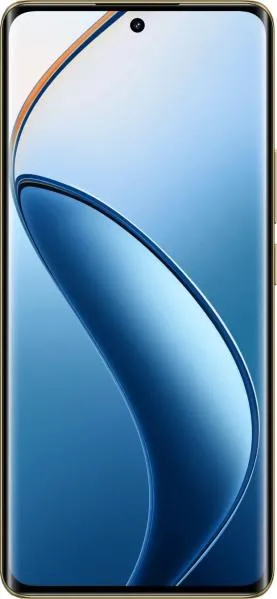
1. Specifications Comparison
| Feature | Huawei nova 11 Pro | Realme 12 Pro | Practical Impact |
|---|---|---|---|
| Design | |||
| Dimensions (mm) | 164.3 x 74.4 x 7.9 | 161.5 x 74 x 8.8 | Realme 12 Pro is slightly shorter and thicker. Negligible difference in daily use. |
| Weight (g) | 188 | 190 | Virtually identical weight; no noticeable difference in hand. |
| Display | |||
| Size (inches) | 6.78 | 6.7 | Nova 11 Pro has a slightly larger display. |
| Resolution (px) | 1200 x 2652 | 1080 x 2412 | Nova 11 Pro has a sharper display (higher pixel density - 429 ppi vs 394 ppi), resulting in crisper text and images. |
| Type | OLED | AMOLED | Both offer excellent contrast and vibrant colors. OLED generally consumes slightly less power for static content with dark backgrounds. |
| Refresh Rate (Hz) | 120 | 120 | Both offer smooth scrolling and animations. |
| Performance | |||
| Chipset | Snapdragon 778G 4G (6 nm) | Snapdragon 6 Gen 1 (4 nm) | While the 6 Gen 1 is built on a smaller process (suggesting better power efficiency), the 778G generally benchmarks higher in CPU and GPU performance, likely leading to smoother multitasking and better gaming on the Nova 11 Pro. |
| CPU | Octa-core (4x2.4 GHz & 4x1.8 GHz) | Octa-core (4x2.2 GHz & 4x1.8 GHz) | Nova 11 Pro has slightly faster prime cores, potentially offering a slight edge in demanding tasks. |
| GPU | Adreno 642L | Adreno 710 | Benchmarks suggest the Adreno 642L in the Nova 11 Pro offers better graphics performance. |
| RAM (GB) | 8/12 | 8/12 | Both offer ample RAM for multitasking; difference negligible in most cases unless utilizing heavy apps extensively. |
| Camera | |||
| Rear Cameras | 50MP Main, 8MP Wide + Macro | 50MP Main, 8MP Wide+Macro, 32MP Telephoto | Realme 12 Pro boasts a dedicated telephoto lens for optical zoom, a significant advantage for capturing distant subjects. Nova 11 Pro has a higher resolution front-facing camera (60MP vs 16MP). |
| Front Camera | 60MP + 8MP Depth | 16MP | Nova 11 Pro's higher resolution front camera might offer more detail in selfies. |
| Video | 720p@960fps | 4K@30fps, 1080p@120fps | Realme 12 Pro offers superior video recording capabilities with 4K resolution and various frame rate options including slow motion at 120fps. Nova 11 Pro offers higher frame rate slow-motion but at a lower resolution (720p). |
| Battery | |||
| Capacity (mAh) | 4500 | 5000 | Realme 12 Pro has a larger battery, likely resulting in longer battery life. |
2. Key Differences Analysis
Huawei nova 11 Pro Advantages:
- Sharper Display: Higher resolution for crisper visuals.
- Generally Higher Performance: Smoother multitasking and gaming experience due to a more powerful chipset and GPU.
- Higher Resolution Front Camera: Potentially more detailed selfies.
Realme 12 Pro Advantages:
- Larger Battery: Potentially longer battery life.
- Dedicated Telephoto Lens: Optical zoom capability for better photography versatility.
- Superior Video Recording: 4K resolution and more frame rate options.
- More Recent OS: Ships with a newer Android version (Android 14).
3. User Profiles & Recommendations
Huawei nova 11 Pro: Users prioritizing display quality, performance for demanding apps and games, and high-resolution selfies. Suitable for mobile gamers, content consumers, and social media enthusiasts.
Realme 12 Pro: Users prioritizing battery life, camera versatility (especially zoom), and video recording capabilities. Suitable for photography enthusiasts, travelers, and users who value all-around functionality.
4. Decision Framework
Key Questions for Buyers:
- What is your budget? While both are mid-range, actual prices can vary.
- What are your primary smartphone usage patterns (e.g., gaming, photography, social media)?
- How important is battery life to you?
My Choice: Realme 12 Pro
While the Nova 11 Pro boasts a slightly better display and processing power, the Realme 12 Pro's advantages in battery life, camera versatility with the telephoto lens, and superior video recording capabilities make it a more compelling overall package for me. The larger battery capacity aligns with my need for extended usage without frequent charging. The telephoto lens significantly enhances photographic creativity, a feature I value greatly. Furthermore, having access to 4K video recording is essential for capturing high-quality memories. While the Nova 11 Pro might offer slightly better performance in demanding games, it's not a significant enough difference to outweigh the Realme 12 Pro's other strengths for my personal usage. Finally, having a newer Android OS out of the box on the Realme 12 Pro suggests potentially longer software support.
