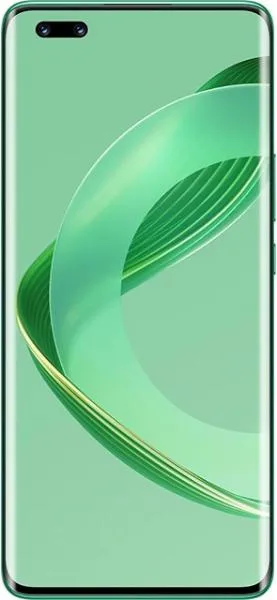
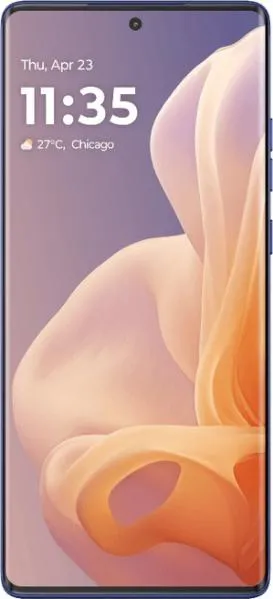
1. Specifications Comparison
| Feature | Huawei nova 11 Pro | Motorola Moto G85 | Practical Impact |
|---|---|---|---|
| Design | |||
| Dimensions (mm) | 164.3 x 74.4 x 7.9 | 161.9 x 73.1 x 7.6 | Moto G85 is slightly shorter, narrower, and thinner. |
| Weight (g) | 188 | 171 | Moto G85 is noticeably lighter, improving one-handed use. |
| Display | |||
| Type | OLED | P-OLED | Both offer excellent color and contrast, but OLED generally has better blacks. |
| Size (inches) | 6.78 | 6.67 | Negligible size difference. |
| Resolution | 1200 x 2652 | 1080 x 2400 | Nova 11 Pro has a sharper display due to higher resolution, noticeable in text clarity and image detail. |
| Refresh Rate (Hz) | 120 | 120 | Both offer smooth scrolling and animations. |
| Peak Brightness (nits) | 950 | 1600 | Moto G85 should be significantly more visible in direct sunlight. |
| Performance | |||
| Chipset | Snapdragon 778G 4G | Snapdragon 6s Gen 3 | 778G is a more powerful chipset, likely resulting in faster app loading, smoother multitasking, and better gaming performance. |
| CPU | Octa-core (4x2.4 GHz & 4x1.8 GHz) | Octa-core (2x2.3 GHz & 6x2.0 GHz) | Nova 11 Pro has a slight edge in CPU performance. |
| GPU | Adreno 642L | Adreno 619 | Nova 11 Pro's GPU provides better graphics performance for demanding games. |
| RAM (GB) | 6/8/12 (depending on version) | 8/12 | Moto G85 offers more RAM in its reviewed configuration, beneficial for multitasking. |
| Camera | |||
| Main Camera (MP) | 50 | 50 | Comparable resolution, but image quality depends on sensor and processing. |
| Ultrawide (MP) | 8 | 8 | Comparable resolution. Moto G85 specifies a 118° FOV, indicating a wider field of view. |
| Selfie (MP) | 60 + 8 | 32 | Nova 11 Pro has a significantly higher resolution selfie camera, potentially capturing more detail. However, megapixels alone don't determine quality. |
| Video Recording | 720p@960fps | 1080p@60fps | Nova 11 Pro offers extreme slow-motion but lacks 4K recording (not explicitly stated but likely given the chipset). Moto G85 provides standard slow-motion and likely has 4K recording. |
| Battery | |||
| Capacity (mAh) | 4500 | 5000 | Moto G85 has a larger battery, likely leading to longer battery life. |
| Software | |||
| OS | Not specified | Android 14 | Lack of OS information for Nova 11 Pro hinders comparison. Android 14 on Moto G85 guarantees latest features and security updates. |
2. Key Differences Analysis
Huawei nova 11 Pro Advantages:
- Sharper Display: Higher resolution offers better clarity.
- More Powerful Processor & GPU: Smoother performance for demanding tasks and gaming.
- Higher Resolution Selfie Camera: Potentially more detailed selfies.
Motorola Moto G85 Advantages:
- Brighter Display: Better outdoor visibility.
- Larger Battery: Potentially longer battery life.
- Lighter and More Compact: Easier to handle and carry.
- Confirmed Latest Android Version: Ensures up-to-date features and security.
- Lower Price: Offers better value for money based on provided pricing.
- OIS on Main Camera Improves low light photography and video stability
Trade-offs:
- Nova 11 Pro sacrifices battery life and size for performance and display sharpness.
- Moto G85 prioritizes battery life, affordability, and software updates over peak performance.
3. User Profiles & Recommendations
Huawei nova 11 Pro: Users who prioritize performance, a sharp display, and a high-resolution selfie camera, and are less concerned about battery life or the latest Android features. Suitable for mobile gaming, photography enthusiasts, and those who value a premium feel.
Motorola Moto G85: Users who value battery life, affordability, a bright display for outdoor use, and the latest Android features. Suitable for everyday use, social media, media consumption, and users on a budget.
4. Decision Framework
Key Questions:
- What is your budget? The Moto G85 is significantly cheaper.
- What are your performance needs? Gamers and power users will prefer the Nova 11 Pro.
- How important is battery life? The Moto G85 likely lasts longer on a single charge.
My Choice: Motorola Moto G85
While the Huawei Nova 11 Pro offers a sharper display and a more powerful processor, the Moto G85 provides a compelling overall package. Its significantly lower price, larger battery, brighter display, and confirmed Android 14 make it a more practical choice for most users. The inclusion of Optical Image Stabilisation on the main camera is also a significant advantage for everyday photography and video. The lack of clear OS information for the Nova 11 Pro is a major concern, especially regarding long-term software support and security updates. For the average user, the Moto G85's advantages outweigh the Nova 11 Pro's performance edge.
