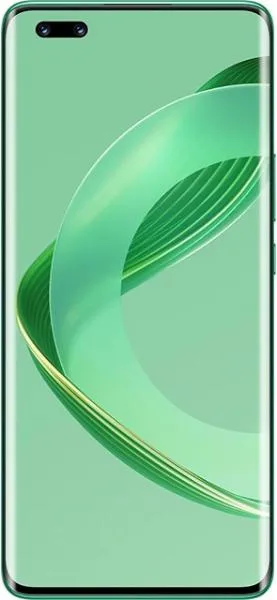
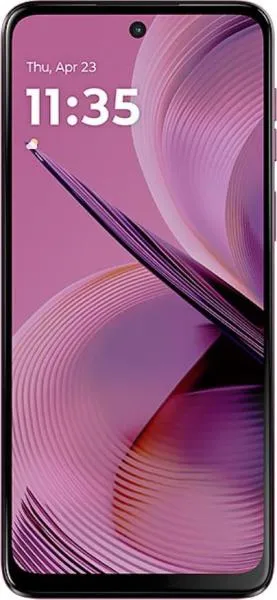
1. Specifications Comparison
| Feature | Huawei nova 11 Pro | Motorola Moto G55 | Practical Impact |
|---|---|---|---|
| Design | |||
| Dimensions (mm) | 164.3 x 74.4 x 7.9 | 161.6 x 73.8 x 8.1 | Nova 11 Pro is slightly taller and narrower, Moto G55 is slightly thicker. Negligible difference in hand feel. |
| Weight (g) | 188 | 179 | Moto G55 is slightly lighter, but the difference is minimal. |
| Build Material | Not specified | Not specified | Cannot compare build quality and durability without this information. |
| Display | |||
| Display Type | OLED, 120Hz | IPS LCD, 120Hz | Nova 11 Pro's OLED offers deeper blacks, richer colors, and potentially better power efficiency. |
| Display Size (inches) | 6.78 | 6.49 | Nova 11 Pro has a slightly larger display, providing more screen real estate. |
| Resolution | 1200 x 2652 | 1080 x 2400 | Nova 11 Pro has a sharper display with higher pixel density (429 ppi vs 405 ppi), resulting in crisper text and images. |
| Performance | |||
| Chipset | Snapdragon 778G 4G (6 nm) | MediaTek Dimensity 7025 (6 nm) | Both are mid-range chipsets, but benchmarks would be needed to compare real-world performance differences. |
| CPU | Octa-core (4x2.4 GHz & 4x1.8 GHz) | Octa-core (2x2.5 GHz & 6x2.0 GHz) | Similar CPU configurations, but architectural differences may impact performance. |
| GPU | Adreno 642L | IMG BXM-8-256 | Gaming performance likely differs; benchmarks needed for accurate comparison. |
| RAM | 6/8/12GB (depending on version) | 8GB | More RAM options for Nova 11 Pro; 12GB variant will offer better multitasking. |
| OS | Not specified | Android 14 | Missing OS information for Nova 11 Pro prevents comparison. |
| Camera | |||
| Main Camera | 50MP, f/1.9 | 50MP, f/1.8 | Similar resolution; Moto G55 has a slightly wider aperture, potentially capturing more light in low light. |
| Ultrawide | 8MP, f/2.2 | 8MP, f/2.2 | Similar ultrawide cameras. |
| Selfie Camera | 60MP, f/2.4 + 8MP Depth Sensor | 16MP, f/2.4 | Nova 11 Pro has a much higher resolution selfie camera and a dedicated depth sensor for better portrait mode. |
| Video | 720p@960fps (slow-mo) | 1080p@60fps | Moto G55 offers higher resolution standard video recording. Nova 11 Pro offers higher frame rate slow motion. |
| Battery | |||
| Capacity | 4500 mAh | 5000 mAh | Moto G55 has a larger battery capacity, likely resulting in longer battery life. |
2. Key Differences Analysis
Huawei nova 11 Pro Advantages:
- Superior Display: OLED technology offers significantly better visual quality.
- Higher Resolution Display: Sharper images and text.
- Higher Resolution Selfie Camera: Significantly better for self-portraits and video calls.
Motorola Moto G55 Advantages:
- Larger Battery: Potentially longer battery life.
- Lower Price: Significantly more affordable based on provided pricing.
- Confirmed Android OS: Ensures access to Google Play Services and familiar Android experience.
- More 5G band support: Provides better 5G compatibility across different regions.
Trade-offs:
- Nova 11 Pro sacrifices battery life for a thinner and lighter design and a superior display.
- Moto G55 prioritizes affordability and battery life over display quality and camera resolution. The lack of OS details for the Nova 11 Pro is a major concern.
3. User Profiles & Recommendations
Huawei nova 11 Pro: Users who prioritize display quality, camera performance (especially selfies), and a sleek design, and are less sensitive to price. Ideal for content consumption, social media, and photography enthusiasts.
Motorola Moto G55: Budget-conscious users who value long battery life and a reliable Android experience. Suitable for everyday tasks, communication, and light media consumption.
4. Decision Framework
Key Questions for Buyers:
- What is your budget? The Moto G55 is significantly more affordable.
- How important is display quality? OLED vs. IPS LCD is a major differentiator.
- What are your primary use cases? Photography, gaming, general use, etc.
Scenario-Based Recommendations:
- Limited Budget, General Use: Moto G55
- Photography Enthusiast: Nova 11 Pro (assuming camera performance meets expectations based on specs)
- Prioritize Display Quality: Nova 11 Pro
- Heavy Multitasker: Nova 11 Pro (12GB RAM version)
My Choice: Motorola Moto G55
While the Nova 11 Pro boasts a stunning OLED display and higher resolution cameras, the lack of clarity regarding the operating system and its potential implications for app availability and usability is a major concern. Combined with the significantly higher price, this makes it difficult to recommend over the Moto G55. The Moto G55 offers a solid overall package with a large battery, confirmed Android 14 OS, and a more affordable price point, making it a more practical and reliable choice for most users. The broader 5G band support is also a significant advantage for future-proofing.
